How Tutors Can Use AI to Create Lesson Plans in Minutes

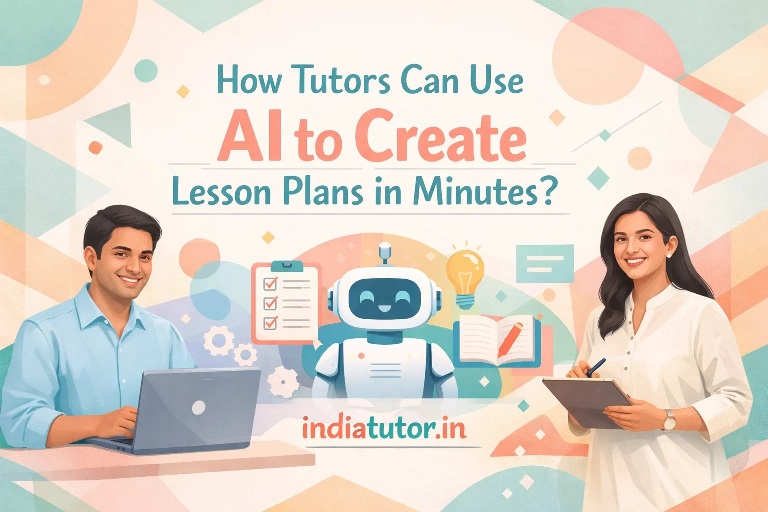
How Tutors Can Use AI to Create Lesson Plans in Minutes

Creating effective lesson plans is one of the most important responsibilities of a tutor. A well-structured lesson helps students understand concepts better, stay engaged, and achieve their academic goals. However, many tutors spend hours every week preparing lessons, worksheets, activities, assessments, and learning materials.

Artificial Intelligence (AI) is changing the way educators work. Today, tutors can use AI-powered tools to create high-quality lesson plans in minutes rather than hours. This allows teachers to focus more on teaching, student interaction, and personalized learning.

According to recent education technology reports, over 60% of educators worldwide have experimented with AI tools for teaching-related tasks, while many report significant time savings in lesson preparation and content creation.

What Is AI Lesson Planning?

AI lesson planning involves using artificial intelligence tools to generate lesson outlines, learning objectives, teaching activities, assessments, homework assignments, and classroom resources based on a specific topic, grade level, and curriculum.

Instead of starting with a blank page, tutors can provide instructions such as:

    • Subject
    • Grade level
    • Learning objectives
    • Duration of lesson
    • Curriculum board
    • Student proficiency level

The AI tool then generates a structured lesson plan that can be customized further.

Why Tutors Are Turning to AI

Tutors often teach multiple students across different grades, subjects, and boards. Preparing unique lessons for each learner can become time-consuming.

AI helps by:

    • Reducing lesson preparation time
    • Generating fresh teaching ideas
    • Creating differentiated learning activities
    • Producing worksheets and quizzes
    • Supporting personalized instruction
    • Improving teaching efficiency

Many tutors report saving several hours every week by using AI for planning and content creation.

Benefits of Using AI for Lesson Planning

Saves Valuable Time

Traditional lesson planning may take anywhere from 30 minutes to several hours depending on the complexity of the topic.

AI can generate a complete lesson framework within seconds. Tutors can then review, edit, and personalize the content according to student needs.

This increased efficiency allows educators to spend more time teaching rather than preparing.

Supports Personalized Learning

Every student learns differently. Some prefer visual explanations, while others benefit from practice exercises or real-world examples.

AI can create multiple versions of a lesson based on:

    • Learning style
    • Skill level
    • Academic goals
    • Age group
    • Subject difficulty

This makes it easier for tutors to provide customized instruction.

Generates Creative Teaching Ideas

Even experienced educators occasionally struggle to find new ways to explain a concept.

AI tools can suggest:

    • Interactive activities
    • Educational games
    • Project ideas
    • Discussion topics
    • Real-life applications
    • Visual learning exercises

These ideas can make lessons more engaging and memorable.

Helps New Tutors Build Confidence

New tutors often find lesson planning overwhelming.

AI can provide ready-made structures that demonstrate how an effective lesson should be organized. This helps beginner educators learn planning techniques faster while maintaining teaching quality.

How to Create a Lesson Plan Using AI

Step 1: Define the Learning Objective

Start by identifying what the student should learn by the end of the lesson.

For example:

    • Solve quadratic equations
    • Understand photosynthesis
    • Improve reading comprehension
    • Learn fractions

Clear objectives produce better AI-generated results.

Step 2: Specify Student Details

Provide information such as:

    • Grade level
    • Curriculum board
    • Subject
    • Learning ability
    • Previous knowledge

The more context you provide, the more accurate the lesson plan becomes.

Step 3: Enter a Detailed Prompt

A prompt is the instruction given to the AI tool.

Example:

“Create a 60-minute CBSE Class 8 Science lesson plan on photosynthesis. Include learning objectives, classroom activities, discussion questions, assessment tasks, and homework.”

Detailed prompts usually produce better outputs.

Step 4: Review and Customize

AI should assist tutors, not replace them.

Always review:

    • Facts
    • Examples
    • Curriculum alignment
    • Student suitability
    • Assessment quality

Add your own expertise and teaching style to make the lesson more effective.

Best Ways Tutors Can Use AI Beyond Lesson Planning

Creating Worksheets

AI can generate practice questions instantly.

Tutors can create:

    • Multiple-choice questions
    • Fill-in-the-blanks
    • Short-answer exercises
    • Case studies
    • Revision worksheets

This reduces preparation time significantly.

Developing Assessments

AI can assist with:

    • Unit tests
    • Mock exams
    • Quiz questions
    • Oral assessments
    • Progress evaluations

Many tutors use AI to create multiple difficulty levels for different students.

Designing Homework Assignments

Homework should reinforce classroom learning.

AI can generate assignments tailored to:

    • Student ability
    • Topic difficulty
    • Time available
    • Learning objectives

This helps maintain consistency between lessons and practice work.

Creating Learning Resources

AI can quickly produce:

    • Study notes
    • Topic summaries
    • Flashcards
    • Revision guides
    • Concept explanations

These resources can support both online and offline tutoring sessions.

AI Tools Commonly Used by Tutors

Several AI-powered platforms help educators create teaching materials efficiently.

Popular options include:

    • ChatGPT
    • Google Gemini
    • Microsoft Copilot
    • Claude
    • Education-focused AI platforms

Each tool offers different features, so tutors should explore multiple options to determine which works best for their teaching style.

Important Things to Remember

Verify Information

AI systems occasionally make mistakes.

Always check:

    • Facts
    • Mathematical calculations
    • Scientific explanations
    • Historical dates
    • Curriculum standards

Accuracy remains the tutor’s responsibility.

Maintain Human Interaction

Students learn best through meaningful interaction with their teacher.

AI can create resources, but it cannot replace:

    • Encouragement
    • Mentorship
    • Emotional support
    • Real-time feedback
    • Classroom management

The human element remains essential in education.

Protect Student Privacy

Avoid sharing confidential student information with AI tools.

Keep personal details private and follow applicable data protection guidelines.

How Parents Benefit When Tutors Use AI

Parents often wonder whether AI helps or harms the learning process.

When used responsibly, AI can improve educational outcomes.

Benefits include:

    • Better organized lessons
    • More personalized instruction
    • Faster feedback
    • Additional practice materials
    • Improved student engagement
    • Consistent academic support

Rather than replacing teachers, AI helps tutors become more productive and effective.

Common AI Lesson Planning Prompts for Tutors

Mathematics

Create a 45-minute lesson plan for Class 7 CBSE students on percentages with examples, activities, and assessment questions.

Science

Design a one-hour lesson on the human digestive system including learning objectives, diagrams, discussion questions, and homework.

English

Create a reading comprehension lesson for Grade 5 students with vocabulary exercises and writing activities.

Social Studies

Prepare a lesson plan on the Indian Freedom Movement including key events, group activities, and evaluation questions.

Using detailed prompts can improve lesson quality and reduce editing time.

The Future of AI in Tutoring

AI adoption in education continues to grow rapidly. Experts predict that intelligent learning systems, personalized content generation, and adaptive assessments will become standard tools for educators over the next decade.

Tutors who learn to use AI effectively today can gain a competitive advantage while delivering better learning experiences for students.

The most successful educators will combine technology with subject expertise, communication skills, and student-centered teaching practices.

My Thoughts

AI is becoming a valuable assistant for modern tutors. From creating lesson plans and worksheets to generating assessments and learning resources, AI can dramatically reduce preparation time while improving productivity.

However, the best results come when tutors use AI as a support tool rather than a replacement for professional judgment. By combining educational expertise with smart technology, tutors can create engaging lessons, personalize instruction, and help students achieve stronger academic outcomes.

Looking to grow your tutoring career? Register on IndiaTutor.in to showcase your expertise, connect directly with students and parents, and expand your teaching opportunities across India and worldwide.

IndiaTutor.in helps tutors increase visibility, receive genuine enquiries, and build a strong online teaching presence without commission-based lead sharing.

About the Author

Nidhi Mehta is the founder of IndiaTutor.in and a professional online educator with over 11 years of teaching experience. She specializes in tutoring Classes 1 to 6 across core academic subjects, with a strong focus on concept clarity and foundational skill-building. Her teaching approach is based on personalized, one-to-one learning that helps students develop long-term academic confidence and understanding.

Visit her profile    Visit About Us Page

Related Topics

Will AI Replace Teachers or Make Smart Tutors Grow Stronger? 

How Tutors Can Use AI to Attract More Students Online

How to Promote Yourself as a Tutor Without Spamming the Internet

IndiaTutor

The internet has made it easier than ever for tutors to reach students and parents. However, many tutors make the mistake of promoting themselves in ways that annoy people rather than attract them. Posting the same message repeatedly in Facebook groups, sending unsolicited messages, and flooding WhatsApp communities may create visibility, but they rarely build trust.

Parents searching for a tutor are not looking for the person who posts the most. They are looking for someone who appears knowledgeable, reliable, experienced, and trustworthy. The good news is that you do not need a large marketing budget to build a strong tutoring presence online.

This guide explains how tutors can market themselves effectively, attract quality enquiries, and build a long-term reputation without resorting to spam.

Tutoring as a Career in India – Scope, Salary and Success

Why Spamming Does Not Work

Many tutors believe that posting their tuition advertisements everywhere will increase admissions. In reality, excessive promotion often has the opposite effect.

Parents are exposed to thousands of online messages every day. Research suggests that internet users see hundreds of marketing messages daily, making it difficult for repetitive advertisements to stand out. Instead of gaining attention, constant promotion often gets ignored.

More importantly, trust is one of the biggest factors in choosing a tutor. A tutor who shares helpful information and demonstrates expertise is more likely to attract enquiries than someone who simply advertises repeatedly.

Create a Professional Online Presence

Your online profile acts as your digital classroom. Before promoting yourself, ensure that parents can easily learn about you.

Build a Detailed Tutor Profile

A strong profile should include:

    • Educational qualifications
    • Teaching experience
    • Subjects taught
    • Classes and boards covered
    • Teaching methodology
    • Student achievements
    • Languages spoken
    • Contact information

Parents often compare multiple tutors before making a decision. A complete profile increases confidence and improves response rates.

How to create a perfect Tutor Profile that attracts students

Use a Professional Photograph

Profiles with clear photographs generally receive more attention than profiles without images. Choose a recent, professional-looking picture with a clean background.

Avoid casual selfies, group photographs, or heavily edited images.

Add Student Success Stories

Parents want proof that your teaching methods work.

Include:

    • Board exam results
    • Improvement in grades
    • Competitive exam achievements
    • Parent testimonials

Real success stories help establish credibility and authority.

Focus on Helping Rather Than Selling

The most successful tutors online are educators first and marketers second.

Share Useful Educational Content

Instead of constantly advertising your classes, create content that helps students and parents.

Examples include:

    • Study tips
    • Exam preparation strategies
    • Time management techniques
    • Subject-specific guidance
    • Common mistakes students make

When people find your content useful, they naturally become interested in your teaching services.

Answer Questions Online

Parents and students frequently search for answers online.

You can contribute by answering questions on:

    • Educational forums
    • Community groups
    • Social media discussions
    • Parent communities

Providing valuable answers demonstrates expertise and helps build trust over time.

Create Short Educational Videos

Video content is one of the fastest-growing forms of online communication.

A simple 60-second video explaining:

    • A math shortcut
    • A grammar rule
    • A science concept
    • An exam strategy

can attract significantly more engagement than a promotional post.

Parents often prefer tutors they can see and hear before making contact.

7 Mistakes Indian Tutors Make While Searching for Students Online

Build Your Personal Brand

A personal brand is what people think about when they hear your name.

Define Your Specialization

Instead of trying to teach everyone, position yourself as an expert in a specific area.

Examples:

    • CBSE Mathematics Tutor
    • Class 10 Science Specialist
    • IELTS Trainer
    • Online English Tutor for NRI Students
    • IIT-JEE Physics Faculty

Specialists are generally perceived as more knowledgeable than generalists.

Maintain Consistency

Use the same:

    • Name
    • Photograph
    • Professional description
    • Contact information

across all platforms.

Consistency helps parents recognize and remember you.

Develop Authority

Authority grows when you consistently share valuable insights.

Some ways to build authority include:

    • Writing educational articles
    • Publishing study guides
    • Recording instructional videos
    • Hosting webinars
    • Conducting doubt-solving sessions

Google and parents both favour experts who regularly contribute useful content.

Why Smart Parents Choose Verified Tutors Instead of Random Ads

Use Social Media the Right Way

Social media can generate enquiries when used strategically.

Choose Relevant Platforms

You do not need to be active everywhere.

Focus on platforms where parents and students spend time, such as:

    • Facebook
    • Instagram
    • YouTube
    • LinkedIn

Managing a few channels effectively is usually better than managing many poorly.

Follow the 80-20 Rule

A practical approach is:

    • 80% educational content
    • 20% promotional content

This balance keeps audiences engaged while still allowing you to showcase your services.

Engage With Comments

Responding to questions and comments shows professionalism and accessibility.

Active engagement also increases visibility on most social media platforms.

Why Trusted Tutor Platforms Are the Future of Tuition Jobs

Improve Your Visibility on Google

Many parents search Google using phrases such as:

    • Online maths tutor
    • CBSE science teacher near me
    • English tuition for Class 8
    • Best online tutor for Class 12

Appearing in these searches can generate highly targeted enquiries.

Create Content Around Parent Questions

Think about questions parents commonly ask:

How can my child improve marks?

How many hours should students study daily?

What is the best way to prepare for board exams?

How can weak students improve mathematics?

Creating articles around these topics helps attract organic traffic.

Publish Content Regularly

Websites that update content consistently often perform better in search rankings.

Even one high-quality article per week can build significant visibility over time.

Online Tuition for NRI Students: How Indian Tutors Can Tap Global Demand

Common Promotion Mistakes Tutors Should Avoid

Sending Unsolicited Messages

Unwanted messages often damage trust and may lead to complaints.

Posting Identical Content Everywhere

Repeated advertisements reduce engagement and may be flagged as spam.

Making Unrealistic Claims

Avoid promises such as:

    • Guaranteed 100% marks
    • Guaranteed rank
    • Guaranteed admission

Parents appreciate honesty and transparency.

Ignoring Professional Presentation

Poor grammar, incomplete profiles, and low-quality images can create a negative impression.

Secrets of High earning tutors in India you should know

Long-Term Success Comes From Trust

The most successful tutors are not necessarily those who advertise the most. They are the ones who consistently demonstrate expertise, build credibility, and help students achieve results.

Every article, video, answer, review, and interaction contributes to your professional reputation. Over time, these efforts create trust, improve search visibility, and generate referrals.

Instead of trying to reach everyone, focus on helping the right audience. When parents see genuine value, enquiries and admissions often follow naturally.

Looking to grow your tutoring career? Register on IndiaTutor.in and create a detailed tutor profile that helps parents discover your expertise.

IndiaTutor.in offers direct parent enquiries, improved online visibility, profile promotion opportunities, and a trusted platform to showcase your qualifications, experience, and student achievements.

Register your Tutor Profile on IndiaTutor.in

About the Author

Nidhi Mehta is the founder of IndiaTutor.in and a professional online educator with over 11 years of teaching experience. She specializes in tutoring Classes 1 to 6 across core academic subjects, with a strong focus on concept clarity and foundational skill-building. Her teaching approach is based on personalized, one-to-one learning that helps students develop long-term academic confidence and understanding.

Visit her profile    Visit About Us Page

7 Mistakes Indian Tutors Make While Searching for Students Online

IndiaTutor

The demand for online tutoring has grown rapidly over the last few years. Millions of parents now search online for qualified tutors for CBSE, ICSE, State Boards, competitive exams, language learning, coding, and skill development. According to various education industry reports, the global online tutoring market is expected to continue growing strongly throughout this decade, creating significant opportunities for Indian tutors.

Despite this growing demand, many tutors struggle to find students online. Some spend months creating profiles, posting advertisements, and joining social media groups without receiving quality enquiries. In most cases, the problem is not a lack of teaching ability. It is often a result of avoidable mistakes in online student acquisition.

If you are a tutor looking to grow your teaching career, understanding these common errors can help you attract more students, build trust with parents, and increase your chances of getting regular enquiries.

Not Creating a Professional Tutor Profile

One of the biggest mistakes tutors make is creating incomplete or poorly written profiles.

Parents often compare multiple tutors before making a decision. If your profile lacks important information, they may move on to another teacher within seconds.

What Parents Look For

Parents generally want to know:

    • Teaching experience
    • Subjects taught
    • Class levels covered
    • Educational qualifications
    • Board expertise
    • Teaching methodology
    • Fees and availability
    • Student results

A profile that contains only a few lines about experience does not provide enough confidence.

How to Improve

Create a detailed tutor profile with:

    • Professional photograph
    • Clear introduction
    • Academic credentials
    • Teaching achievements
    • Student success stories
    • Preferred teaching mode
    • Contact information

The more complete your profile is, the easier it becomes for parents to evaluate your suitability.

How to create a perfect Tutor Profile that attracts students

Ignoring Parent Concerns

Many tutors focus entirely on themselves instead of addressing what parents actually want.

Parents are usually searching for solutions to specific problems. They may be worried about poor marks, lack of confidence, weak fundamentals, board exam preparation, or competitive exam readiness.

Think Like a Parent

Instead of writing:

“I have 10 years of experience teaching Mathematics.”

Try explaining:

“I help Class 10 students improve conceptual understanding, strengthen problem-solving skills, and prepare effectively for board examinations.”

The second approach directly addresses a parent’s concern and creates greater trust.

Why It Matters

Research consistently shows that consumers respond better to solution-oriented messaging than self-promotional content. The same principle applies to tutoring services.

How to Communicate with Parents Professionally

Depending Only on Social Media

Many tutors spend hours every day posting in Facebook groups, WhatsApp communities, Telegram channels, and social platforms.

While these channels can generate enquiries, relying on them exclusively is risky.

The Problem

Social media posts have a very short lifespan.

A post shared today may disappear from visibility within a few hours.

In addition, competition is intense. Hundreds of tutors often promote similar services in the same groups.

Better Approach

Use multiple channels:

    • Tutor directories
    • Personal website
    • YouTube
    • Educational blogs
    • Google Business Profile
    • Parent communities
    • Referral networks

Diversifying your online presence improves visibility and creates multiple sources of enquiries.

How Tutors Can Use AI to Attract More Students Online

Not Building Trust Signals

Parents are extremely careful when choosing someone to teach their children.

Without trust signals, even highly qualified tutors may struggle to convert enquiries into admissions.

Common Trust Signals

Parents often look for:

    • Student testimonials
    • Parent reviews
    • Teaching certificates
    • Academic qualifications
    • Demo class availability
    • Teaching videos
    • Professional online presence

The Power of Reviews

Studies across industries show that most consumers read reviews before making purchase decisions. Educational services are no different.

A tutor with genuine feedback from students and parents immediately appears more trustworthy than one with no social proof.

Simple Trust-Building Ideas

    • Collect written testimonials
    • Request Google reviews
    • Share student achievements
    • Upload introductory videos
    • Display certifications

These small additions can significantly improve enquiry conversion rates.

Why Smart Parents Choose Verified Tutors Instead of Random Ads

Using Generic Teaching Descriptions

Another common mistake is writing vague descriptions that sound identical to thousands of other tutor profiles.

Examples include:

    • Best tutor available
    • Quality education guaranteed
    • Experienced teacher
    • Excellent teaching methods

These statements do not differentiate you from competitors.

Be Specific

Specific information helps parents understand your strengths.

For example:

    • CBSE Mathematics specialist for Classes 9–12
    • Physics tutor with engineering background
    • English communication coach for school students
    • Accountancy teacher for Class 11 and 12 Commerce

Specific positioning makes it easier for parents to identify the right tutor for their child’s needs.

Why Trusted Tutor Platforms Are the Future of Tuition Jobs

Tutors who specialise in particular subjects, boards, or student groups often attract better-quality enquiries than those trying to teach everything.

Neglecting Video Content

Video has become one of the most powerful ways to connect with parents and students online.

Yet many tutors still avoid creating even a simple introduction video.

Why Videos Work

Parents can quickly evaluate:

    • Communication skills
    • Subject expertise
    • Confidence
    • Teaching style
    • Personality

A 60-second introduction video often creates a stronger first impression than a lengthy written profile.

What to Include

Your video can cover:

    • Name and qualifications
    • Subjects taught
    • Experience
    • Teaching approach
    • Student achievements
    • Contact details

Keep It Simple

You do not need expensive equipment.

A smartphone, good lighting, and clear audio are usually enough to create a professional introduction.

Record an Introduction Video to Attract Students 

Failing to Optimize for Google Search

Many tutors create profiles or websites but never optimize them for search engines.

As a result, parents searching online cannot find them.

Common Search Terms Parents Use

Examples include:

    • Online Maths tutor for Class 10
    • CBSE Science tutor near me
    • English tutor for kids
    • Home tutor in Delhi
    • Online Physics teacher India

If your profile does not include relevant keywords naturally, it becomes harder to appear in search results.

Consistency Matters

Keep your information consistent across all online platforms. Consistency helps improve credibility and search visibility.

How to become a successful tutor in India 

Expecting Immediate Results

Many tutors give up after a few weeks because they do not receive instant enquiries.

Building an online presence takes time.

What Successful Tutors Do

They consistently:

    • Update profiles
    • Add reviews
    • Publish educational content
    • Share student success stories
    • Improve profile descriptions
    • Upload videos
    • Respond quickly to enquiries

Over time, these efforts compound and generate better visibility.

Online Growth Is a Long-Term Process

A tutor who improves their profile every month is likely to outperform someone who creates a profile once and never updates it again.

Patience, consistency, and continuous improvement are often the biggest differentiators between tutors who struggle and tutors who maintain a steady flow of student enquiries.

Reach more Students by Marketing Your Tutor Profile Online 

My Thoughts

Finding students online is no longer about simply posting advertisements. Parents have more choices than ever before and evaluate tutors carefully before making decisions. A professional profile, strong trust signals, clear communication, useful content, and search visibility can dramatically improve your chances of attracting the right students.

Avoiding these seven common mistakes can help Indian tutors build credibility, increase enquiries, and create a sustainable tutoring career in today’s competitive online education market.

Register on IndiaTutor.in to create a professional tutor profile and connect directly with parents and students across India and worldwide. Enjoy direct enquiries, improved online visibility, and zero commission on student connections.

Register your Tutor Profile on IndiaTutor.in

About the Author

Nidhi Mehta is the founder of IndiaTutor.in and a professional online educator with over 11 years of teaching experience. She specializes in tutoring Classes 1 to 6 across core academic subjects, with a strong focus on concept clarity and foundational skill-building. Her teaching approach is based on personalized, one-to-one learning that helps students develop long-term academic confidence and understanding.

Visit her profile    Visit About Us Page

A Smarter Way for Tutors to Get Students Without Big Spending

IndiaTutor.in - Get Noticed

To be selected by parents and students you need – Visibility & Trust!

You can’t get these from free tutor listings which miss vital details or by sharing your details on casual social posts, groups and networks. Parents do not trust random tutor profiles. The challenge is not only – How to be found, but also – How to be trusted.

How IndiaTutor.in Helps Tutors Build Visibility and Trust

We provide:

    • Manually verified tutor profiles
    • Clean, transparent presentation of your details
    • Direct contact from parents and students
    • No middlemen or commission
    • Optional promotion through our platforms

Your profile is designed not just to be listed—but to be found, trusted, and contacted.

Why Smart Parents Choose Verified Tutors Instead of Random Ads

And the best part is that it costs less than ₹10 per day.

Tutor Registration Plans

IndiaTutor.in offers simple transparent plans designed for tutors, teachers, trainers, and coaching professionals.

PlanBest ForPriceCost Per Month
3 Months Basic Listing – Launch PlanNew tutors testing online demand₹599₹199
6 Months Basic Listing – Starter PlanTutors who want longer duration and better value.₹999₹166
6 Months Premium Listing – Growth PlanFeatured listing and marketing for extra visibility₹1499₹250
12 Months Premium Listing – Professional PlanFull year top featured listing and dedicated marketing for  maximum visibility₹2499₹208

The 12 Months Premium Plan costs just ₹208 per month and for less than ₹7 a day, your tutor profile stays visible to parents and students throughout the year and also gets promoted across social networks. It’s an affordable way to increase your online presence and stand out among thousands of free tutor listings.

How to create a perfect Tutor Profile that attracts students

One Student Can Easily Cover the Cost

If you charge ₹400 per class, only a few classes with one new student can recover your annual listing fee. For tutors looking to grow their teaching business, it’s a small investment with the potential for significant returns.

Secrets of High earning tutors in India you should know

Register Your Tutor Profile

  • Get listed on IndiaTutor.in and make it easier for students and parents to find you. The sooner your profile goes live, the sooner you can start receiving enquiries. Teach, earn, and grow with IndiaTutor.in.

Register your Tutor Profile

Build Your Teaching Career Like a Professional

It is important to stand apart from the crowd to be noticed. You also have to rise above the competition – thousands of tutor profiles – free tutor listings and random posts on social networks, groups and linkedin posts to be considered truly professional – dedicated tutor.

To be seen and noticed as a brand you can consider investing in a personal website, Google profile and social pages set up. These in totality will present you as a reputed tutor and help you connect directly with parents and students in India and abroad.

Check our Tutor Branding Services for details

About the Author

Nidhi Mehta is the founder of IndiaTutor.in and a professional online educator with over 11 years of teaching experience. She specializes in tutoring Classes 1 to 6 across core academic subjects, with a strong focus on concept clarity and foundational skill-building. Her teaching approach is based on personalized, one-to-one learning that helps students develop long-term academic confidence and understanding.

Visit her profile    Visit About Us Page

How to Handle Parent Expectations as a Private Tutor

How to Handle Parent Expectations as a Private Tutor

Private tutoring is no longer limited to helping students complete homework or prepare for exams. Today, parents invest significant time and money in tutoring because they expect measurable academic improvement, better study habits, increased confidence, and long-term success for their children.

A private tutor’s ability to manage parent expectations can be just as important as subject knowledge. Even highly qualified tutors can face challenges when expectations are unclear or unrealistic. Learning how to communicate effectively with parents helps build trust, improve student outcomes, and create long-lasting tutoring relationships.

How to Handle a Tuition Query

Why Parent Expectations Matter

Parents play a major role in a student’s educational journey. According to various education studies, parental involvement can improve academic performance by as much as 20% to 30% when combined with effective teaching and consistent support.

When parents hire a tutor, they often have specific goals in mind. These may include:

    • Improving school grades
    • Preparing for competitive exams
    • Strengthening weak subjects
    • Building confidence
    • Developing better study habits
    • Achieving top ranks in class

While these goals are understandable, problems can arise when expectations do not match reality. A tutor must establish a clear understanding from the beginning.

How to Communicate with Parents Professionally

Understanding Different Types of Parent Expectations

Academic Performance Expectations

Many parents expect immediate improvement in marks after hiring a tutor. However, learning is a gradual process.

Students often require several weeks or months to strengthen concepts, improve retention, and develop problem-solving abilities.

A tutor should explain that sustainable academic progress takes time and depends on multiple factors including attendance, effort, school curriculum, and practice.

Expectations About Homework and School Support

Some parents believe tutors should handle all homework, assignments, and projects.

While assisting students is important, the primary role of a tutor is to teach concepts and encourage independent learning rather than simply completing school work.

Communication Expectations

Parents often expect regular updates regarding their child’s progress.

Frequent communication helps maintain transparency and prevents misunderstandings.

Exam Result Expectations

Examination scores are influenced by many variables including preparation, stress levels, school teaching quality, and student consistency.

Tutors should avoid guaranteeing specific marks or ranks.

Set Clear Expectations During the First Meeting

The first interaction with parents is crucial.

Discuss the Student’s Current Level

Conduct an assessment to understand:

    • Academic strengths
    • Weak areas
    • Learning style
    • Study habits
    • Previous performance

This creates a realistic starting point for future discussions.

Define Achievable Goals

Instead of promising dramatic improvements, establish measurable objectives such as:

    • Improving mathematics fundamentals
    • Increasing test scores gradually
    • Enhancing reading comprehension
    • Developing regular study routines

Specific goals are easier to track and evaluate.

Explain the Tutoring Process

Parents appreciate knowing how sessions will be conducted.

Discuss:

    • Teaching methodology
    • Session frequency
    • Progress monitoring
    • Practice assignments
    • Assessment methods

This reduces uncertainty and builds confidence.

How to Set Clear Expectations Before Starting Tuition

Build Trust Through Transparent Communication

Trust is the foundation of successful tutoring relationships.

Share Regular Progress Updates

Parents should receive periodic updates regarding:

    • Topics covered
    • Areas of improvement
    • Challenges faced
    • Upcoming learning goals

These updates can be provided weekly or monthly.

Be Honest About Difficulties

If a student struggles with a particular concept, communicate it openly.

Parents generally appreciate honesty more than unrealistic optimism.

Focus on Evidence

Whenever possible, support observations with examples such as:

    • Improved test scores
    • Better class participation
    • Increased assignment completion
    • Enhanced problem-solving ability

Objective evidence helps parents understand actual progress.

Handling Unrealistic Expectations Professionally

Sometimes parents may expect results that are difficult to achieve within a short period.

Stay Calm and Respectful

Avoid becoming defensive during challenging conversations.

Listen carefully to concerns before responding.

A professional approach often diffuses tension and encourages constructive discussion.

Use Data and Examples

Suppose a student scored 45% before tutoring and now scores 60%.

Highlight the improvement while explaining that further progress requires continued effort.

Showing actual growth helps parents appreciate the learning journey.

Educate Parents About Learning Curves

Research consistently shows that mastery develops through repetition, practice, and reinforcement.

Students rarely move from poor performance to top rankings overnight.

Helping parents understand this reality creates more reasonable expectations.

Involve Parents as Partners

Tutoring works best when tutors, parents, and students work together.

Encourage a Supportive Home Environment

Parents can contribute by:

    • Creating a distraction-free study space
    • Maintaining study schedules
    • Encouraging reading habits
    • Monitoring assignment completion

Small changes at home can significantly improve learning outcomes.

Share Practical Suggestions

Instead of only discussing problems, provide actionable recommendations.

Examples include:

    • Daily revision plans
    • Reading exercises
    • Practice worksheets
    • Time-management techniques

Parents appreciate guidance that helps them support their children.

Managing Expectations for Online Tutoring

Online tutoring has become increasingly popular worldwide.

However, some parents may have concerns regarding effectiveness.

Explain the Benefits

Online tutoring offers:

    • Flexible scheduling
    • Access to expert tutors
    • Recorded lessons in some cases
    • Interactive learning tools
    • Reduced travel time

Studies indicate that well-structured online learning can produce outcomes comparable to traditional classroom instruction.

Discuss Student Responsibility

Online learning requires active participation.

Parents should understand that student engagement remains essential for success.

Dealing with Performance Pressure

Many students experience pressure from academic expectations.

Protect Student Confidence

Constant emphasis on marks can sometimes reduce motivation.

A tutor should celebrate improvements in effort, understanding, and consistency alongside academic results.

Encourage Growth Mindset

Students who believe abilities can improve through practice often perform better over time.

Helping parents focus on learning progress rather than only scores can reduce stress and improve outcomes.

Why Every Tutor Must Have Terms and Conditions

Common Mistakes Tutors Should Avoid

Making Unrealistic Promises

Avoid guaranteeing:

    • Specific percentages
    • Rank improvements
    • Admission outcomes

No tutor can control every factor affecting academic performance.

Poor Communication

Lack of updates often leads parents to assume no progress is being made.

Regular communication prevents confusion and strengthens trust.

Ignoring Parent Concerns

Even if concerns appear unreasonable, they should be acknowledged respectfully.

Listening carefully often resolves issues before they become larger problems.

Focusing Only on Marks

Academic success includes conceptual understanding, confidence, discipline, and critical thinking.

Parents should be reminded of these broader educational benefits.

Creating Long-Term Tutor-Parent Relationships

The most successful tutors are not only teachers but also trusted educational partners.

Long-term relationships are built through:

    • Consistent communication
    • Professional conduct
    • Honest feedback
    • Reliable scheduling
    • Student-centered teaching

Parents who trust a tutor are more likely to continue sessions, provide referrals, and recommend services to others.

My Thoughts

Managing parent expectations is one of the most important skills for private tutors. Clear communication, realistic goal setting, regular progress updates, and professional behavior help create positive relationships with families. When tutors and parents work together with shared objectives, students receive the support they need to achieve meaningful academic growth.

Looking to grow your tutoring career? Register on IndiaTutor.in to connect directly with parents and students searching for qualified tutors across India and worldwide. Create your profile, showcase your expertise, receive genuine enquiries, and expand your teaching opportunities without paying commissions.

Register your Tutor Profile on IndiaTutor.in

About the Author

Nidhi Mehta is the founder of IndiaTutor.in and a professional online educator with over 11 years of teaching experience. She specializes in tutoring Classes 1 to 6 across core academic subjects, with a strong focus on concept clarity and foundational skill-building. Her teaching approach is based on personalized, one-to-one learning that helps students develop long-term academic confidence and understanding.

Visit her profile    Visit About Us Page

Creating Student Progress Reports: Formats and Templates for Tutors

Creating Student Progress Reports Formats and Templates for Tutors

Student progress reports are one of the most valuable tools a tutor can use. They help parents understand how their child is performing, identify strengths and weaknesses, and build trust between tutors and families. For tutors, well-structured reports demonstrate professionalism, improve communication, and often lead to long-term student retention.

According to education research, regular feedback can improve student learning outcomes by up to 30% when delivered consistently and clearly. Parents also prefer measurable updates rather than general comments about a child’s performance. This makes progress reporting an essential part of successful tutoring.

Whether you are an online tutor, home tutor, or academic coach, creating effective student progress reports can significantly improve your tutoring services.

Why Student Progress Reports Matter

A progress report serves as a bridge between tutors, students, and parents. It provides a clear picture of academic development and highlights areas requiring additional attention.

Some key benefits include:

    • Improves parent confidence in tutoring services
    • Encourages student accountability
    • Tracks learning goals and achievements
    • Identifies academic gaps early
    • Supports better lesson planning
    • Demonstrates tutor professionalism
    • Increases student retention and referrals

When parents can clearly see improvements, they are more likely to continue tutoring sessions and recommend the tutor to others.

What Should a Student Progress Report Include?

An effective report should be easy to read, concise, and focused on measurable outcomes.

Student Information

Include basic details such as:

    • Student name
    • Grade or class
    • Subject
    • Reporting period
    • Tutor name

This information helps organize records and prevents confusion when reviewing reports later.

Attendance Summary

Attendance often influences academic performance.

Include:

    • Number of classes attended
    • Classes missed
    • Punctuality record

Example:

Attendance Rate: 92%

Classes Attended: 23 out of 25

Parents appreciate seeing consistency because regular participation is closely linked to better learning outcomes.

Academic Performance

This section forms the core of the report.

Evaluate areas such as:

    • Subject understanding
    • Assignment completion
    • Test performance
    • Concept mastery
    • Problem-solving ability

Use simple ratings such as:

Excellent

Good

Satisfactory

Needs Improvement

Avoid overly complicated grading systems that may confuse parents.

Strengths

Highlight positive achievements.

Examples:

    • Strong mathematical reasoning
    • Excellent reading comprehension
    • Improved vocabulary
    • Good classroom participation
    • Quick grasp of new concepts

Recognizing accomplishments motivates students and reassures parents.

Areas for Improvement

Constructive feedback is essential.

Examples:

    • Needs additional practice in fractions
    • Should improve writing structure
    • Requires better time management
    • Needs more confidence during oral presentations

Focus on solutions rather than criticism.

Learning Goals

Future goals provide direction.

Examples:

    • Improve science test scores by 10%
    • Complete weekly reading assignments
    • Master algebraic equations
    • Increase writing speed and accuracy

Clear objectives make progress measurable.

Best Practices for Writing Tutor Reports

Keep Language Simple

Parents may not be familiar with educational terminology. Use straightforward language that anyone can understand.

Instead of:

“Demonstrates inconsistent application of computational methodologies.”

Write:

“Needs more practice applying calculation methods correctly.”

Simple communication increases clarity and effectiveness.

Use Evidence-Based Feedback

Support observations with examples.

Instead of:

“Good at mathematics.”

Write:

“Improved mathematics test scores from 72% to 84% over the last six weeks.”

Specific data builds credibility.

Maintain a Positive Tone

Every report should include achievements alongside improvement areas.

A balanced approach keeps students motivated while providing honest feedback.

Focus on Progress

Parents want to know whether their child is moving forward.

Compare current performance with previous results whenever possible.

Examples:

    • Reading speed increased from 90 to 115 words per minute.
    • Science quiz scores improved from 68% to 82%.
    • Homework completion increased from 70% to 95%.

Progress-focused reporting demonstrates the value of tutoring sessions.

Monthly Student Progress Report Template

Student Details

Student Name:

Grade:

Subject:

Reporting Period:

Tutor Name:

Attendance

Classes Scheduled:

Classes Attended:

Attendance Percentage:

Academic Performance

Concept Understanding:

Assignment Completion:

Test Performance:

Participation:

Overall Rating:

Strengths


Areas for Improvement


Goals for Next Month


Tutor Comments

Provide a brief summary of progress, challenges, and recommendations.

Weekly Student Progress Report Template

Weekly reports work well for younger students and intensive exam preparation.

Week Overview

Topics Covered:

Hours Completed:

Homework Assigned:

Homework Completed:

Performance Snapshot

Understanding of Concepts:

Practice Work:

Participation Level:

Confidence Level:

Achievements This Week


Focus Areas for Next Week


Parent Recommendations

List activities parents can support at home.

Online Tutor Progress Report Format

Online tutoring continues to grow globally. Virtual tutors should include additional metrics.

Engagement Metrics

    • Attendance rate
    • Camera participation
    • Assignment submission
    • Digital activity level
    • Response time during lessons

Technology Skills

Evaluate:

    • Platform usage
    • Digital collaboration
    • Online research skills
    • File management

These indicators provide a more complete picture of online learning success.

Exam Preparation Progress Report

Students preparing for CBSE, ICSE, State Boards, Olympiads, SAT, IGCSE, or competitive examinations benefit from specialized reporting.

Exam Readiness Indicators

    • Syllabus completion percentage
    • Mock test performance
    • Time management skills
    • Accuracy rate
    • Subject-wise strengths
    • Revision status

Example:

Mathematics Syllabus Completion: 85%

Mock Test Average: 78%

Target Score: 90%

Such reports help students stay focused on examination goals.

Digital Tools for Creating Progress Reports

Many tutors now create reports digitally.

Popular options include:

Google Docs

Simple, free, and easy to share.

Microsoft Word

Offers professional templates and formatting features.

Google Sheets

Useful for tracking scores and generating performance charts.

Microsoft Excel

Ideal for maintaining detailed student records.

Learning Management Systems

Many tutoring platforms provide built-in reporting features that automate data collection and analysis.

Digital reports save time while maintaining consistency.

Common Mistakes Tutors Should Avoid

Being Too Vague

Statements like “doing okay” provide little value.

Always provide specific observations.

Focusing Only on Weaknesses

Reports should include accomplishments alongside challenges.

Using Excessive Educational Jargon

Complicated terminology can confuse parents.

Ignoring Measurable Results

Whenever possible, include scores, percentages, attendance rates, or observable improvements.

Creating Overly Long Reports

Most parents prefer concise reports that can be reviewed in a few minutes.

Clear summaries are often more effective than lengthy explanations.

How Progress Reports Help Tutors Grow Their Career

Professional reporting offers benefits beyond student assessment.

Tutors who consistently provide detailed reports often experience:

    • Better parent satisfaction
    • Higher student retention rates
    • Increased referrals
    • Stronger professional reputation
    • More positive reviews
    • Greater trust from prospective clients

Many parents compare tutors based on communication quality. A well-prepared progress report can become a significant competitive advantage.

My Thoughts

Student progress reports are much more than administrative documents. They are communication tools that strengthen relationships between tutors, students, and parents. By providing clear feedback, measurable results, and actionable recommendations, tutors can showcase their expertise while helping students achieve better academic outcomes.

Whether you teach online or offline, adopting a structured reporting system can improve student success, enhance parent confidence, and support long-term tutoring growth.

Looking to expand your tutoring career? Register on IndiaTutor.in to connect directly with students and parents seeking qualified tutors across India and worldwide.

IndiaTutor.in helps tutors build their online presence, receive direct enquiries, and grow their teaching business without commission-based lead sharing.

Register your Tutor Profile on IndiaTutor.in

About the Author

Nidhi Mehta is the founder of IndiaTutor.in and a professional online educator with over 11 years of teaching experience. She specializes in tutoring Classes 1 to 6 across core academic subjects, with a strong focus on concept clarity and foundational skill-building. Her teaching approach is based on personalized, one-to-one learning that helps students develop long-term academic confidence and understanding.

Visit her profile    Visit About Us Page

Must-Have Soft Skills for Tutors to Succeed

Must-Have Soft Skills for Tutors to Succeed

Teaching is no longer just about subject knowledge. Parents today look for tutors who can connect with students, communicate clearly, motivate learners, and create a positive learning experience. Whether you teach online or offline, your soft skills often determine how effective you are in helping students achieve academic success.

A tutor may have excellent qualifications and years of experience, but without strong interpersonal abilities, it can be difficult to build trust with students and parents. In fact, studies consistently show that teacher-student relationships have a significant impact on academic performance, engagement, and confidence.

For aspiring tutors and experienced educators alike, developing the right soft skills can lead to better student outcomes, stronger parent relationships, more referrals, and long-term career growth.

Tutoring as a Career in India – Scope, Salary and Success

Why Soft Skills Matter for Tutors

Soft skills are personal attributes and communication abilities that help people work effectively with others. In tutoring, these skills influence how lessons are delivered, how students respond to instruction, and how parents perceive the value of tutoring services.

Research published by the Organisation for Economic Co-operation and Development (OECD) highlights that positive teacher-student interactions contribute significantly to learning outcomes and classroom engagement. Students are more likely to perform well when they feel understood, respected, and supported.

A tutor with strong soft skills can:

    • Build student confidence
    • Improve learning engagement
    • Reduce academic stress
    • Strengthen parent trust
    • Increase student retention
    • Generate positive word-of-mouth referrals

Communication Skills

Communication is the foundation of successful tutoring.

Students learn best when concepts are explained in a simple and understandable manner. Great tutors know how to adjust their language according to the student’s age, learning level, and understanding.

Explaining Complex Topics Clearly

Many students struggle because they cannot connect with textbook explanations. Effective tutors simplify difficult concepts using examples, stories, diagrams, and real-life applications.

When students understand a topic quickly, they become more motivated to continue learning.

Active Listening

Communication is not only about speaking. Listening carefully helps tutors identify learning gaps, misunderstandings, and emotional concerns.

Students often reveal their academic challenges indirectly. Paying attention to their questions, tone, and reactions helps tutors provide better support.

Clear Parent Communication

Parents appreciate regular updates about progress, strengths, areas of improvement, and upcoming goals.

A tutor who communicates professionally with parents builds long-term trust and credibility.

Patience

Patience is one of the most important qualities every tutor should develop.

Every student learns at a different pace. Some grasp concepts immediately, while others require repeated explanations and additional practice.

A patient tutor avoids showing frustration and instead focuses on helping students progress steadily.

Handling Learning Difficulties

Students may struggle with mathematics, science, languages, or exam preparation for various reasons.

Patient guidance helps learners overcome fear and build confidence in their abilities.

Encouraging Questions

Many students hesitate to ask questions because they fear making mistakes.

When tutors respond calmly and positively, students feel comfortable seeking clarification, which improves understanding and academic performance.

How to create a perfect Tutor Profile that attracts students

Empathy and Emotional Intelligence

Academic success is closely linked to emotional well-being.

Students face various pressures including school workload, examinations, social challenges, and family expectations.

Empathy allows tutors to understand these concerns and respond appropriately.

Understanding Student Perspectives

A tutor who understands student emotions can identify when a learner is feeling anxious, discouraged, or overwhelmed.

Recognizing these signals helps create a supportive learning environment.

Building Strong Relationships

Students are more likely to engage with tutors they trust.

Positive relationships often lead to better participation, improved concentration, and greater academic achievement.

Adaptability

Every student has a unique learning style.

Some learners prefer visual explanations, while others benefit from discussions, practical exercises, or written notes.

Successful tutors adapt their teaching methods to meet individual needs.

Adjusting Teaching Strategies

A method that works for one student may not work for another.

Flexible tutors modify lesson plans, examples, and activities based on student performance and feedback.

Embracing Technology

Online tutoring has grown rapidly in recent years.

Tutors who are comfortable using digital tools, virtual whiteboards, learning platforms, presentations, and educational apps can provide a more engaging learning experience.

Secrets of High earning tutors in India you should know

Time Management

Professional tutors often manage multiple students, lesson plans, assignments, assessments, and parent communications.

Good time management helps maintain quality while reducing stress.

Planning Effective Lessons

Well-structured lessons improve productivity and learning outcomes.

Each session should have clear objectives, activities, practice exercises, and review components.

Meeting Commitments

Parents value punctuality and reliability.

Starting classes on time and delivering consistent support demonstrates professionalism and commitment.

Confidence

Confidence helps tutors establish authority and credibility.

Students are more likely to trust guidance from educators who explain concepts with clarity and certainty.

Creating a Positive Learning Environment

Confident tutors inspire students to participate actively and take academic challenges seriously.

Their energy often influences student motivation and engagement.

Maintaining Professional Presence

Confidence also plays an important role during parent interactions, trial classes, interviews, and online sessions.

A professional presence can help tutors attract and retain more students.

How Tutors Can Use AI to Attract More Students Online

Problem-Solving Ability

Teaching frequently involves unexpected challenges.

Students may struggle with motivation, concentration, examination stress, or difficult topics.

Effective tutors approach these situations with a solution-oriented mindset.

Identifying Root Causes

Instead of focusing only on poor grades, successful tutors investigate underlying reasons such as weak fundamentals, lack of practice, or ineffective study habits.

Developing Personalized Solutions

Customized study plans often produce better results than generic teaching approaches.

Tailored strategies help students address specific weaknesses and achieve measurable progress.

Top 10 Most in Demand Subject Tutors in India

Motivation and Encouragement

Many students seek tutoring because they lack confidence in their abilities.

Motivational support can make a significant difference.

Celebrating Progress

Recognizing small achievements encourages students to continue working hard.

Positive reinforcement improves confidence and promotes a growth mindset.

Building Academic Resilience

Students inevitably face setbacks such as low test scores or difficult subjects.

Encouraging perseverance helps them stay focused on long-term goals.

Professionalism

Professional conduct strengthens a tutor’s reputation and increases parent confidence.

Maintaining Ethical Standards

Professional tutors are honest, respectful, and committed to student success.

They maintain confidentiality and uphold high teaching standards.

Continuous Learning

The education sector evolves constantly.

Successful tutors stay updated with curriculum changes, examination patterns, teaching methods, and educational technology.

According to various professional development studies, educators who engage in ongoing learning often demonstrate improved teaching effectiveness and student outcomes.

Creativity

Creative teaching makes learning enjoyable and memorable.

Students are more likely to retain information when lessons include interactive activities and engaging examples.

Making Lessons Interesting

Creative tutors use quizzes, games, stories, visual aids, case studies, and practical applications to maintain student interest.

Encouraging Critical Thinking

Rather than simply providing answers, effective tutors encourage students to analyze, question, and solve problems independently.

These skills benefit learners throughout their academic and professional lives.

Leadership Skills

Tutors do more than teach subjects. They guide students toward achieving academic goals.

Setting Expectations

Strong leaders establish clear learning objectives and accountability.

Students perform better when expectations are clearly defined.

Inspiring Growth

Great tutors inspire learners to believe in their abilities and strive for continuous improvement.

Leadership creates a positive influence that extends beyond academics.

How to Promote Yourself as a Tutor Without Spamming the Internet

How Tutors Can Improve Their Soft Skills

Developing soft skills requires consistent effort and self-awareness.

Some practical ways include:

    • Seeking feedback from students and parents
    • Recording and reviewing lessons
    • Practicing active listening
    • Reading books on communication and psychology
    • Participating in teacher training workshops
    • Learning conflict-resolution techniques
    • Improving public speaking abilities
    • Enhancing emotional intelligence through reflection

Even small improvements can significantly enhance teaching effectiveness over time.

My Thoughts

Subject expertise may help a tutor get started, but soft skills often determine long-term success. Communication, patience, empathy, adaptability, professionalism, leadership, and motivation play a critical role in helping students achieve better academic results.

Parents increasingly seek tutors who can not only teach but also guide, encourage, and inspire their children. Tutors who invest in developing these essential skills stand out in a competitive education market and create lasting positive impacts on student success.

Looking to grow your tutoring career? Register on IndiaTutor.in and showcase your expertise to parents and students across India and worldwide.

IndiaTutor.in helps tutors gain visibility, receive direct enquiries, build credibility, and expand their teaching opportunities without paying commissions.

Register your Tutor Profile on IndiaTutor.in

About the Author

Nidhi Mehta is the founder of IndiaTutor.in and a professional online educator with over 11 years of teaching experience. She specializes in tutoring Classes 1 to 6 across core academic subjects, with a strong focus on concept clarity and foundational skill-building. Her teaching approach is based on personalized, one-to-one learning that helps students develop long-term academic confidence and understanding.

Visit her profile    Visit About Us Page

How to Make Effective Lesson Plans for Online Tuition Classes

How to Make Effective Lesson Plans for Online Tuition Classes

Online tuition has transformed the way students learn and teachers teach. With increasing access to digital devices and internet connectivity, online learning is becoming a preferred option for many families. However, successful online teaching requires more than subject expertise. A well-structured lesson plan is one of the most important tools that helps tutors deliver engaging, organized, and result-oriented classes.

An effective lesson plan provides direction, improves learning outcomes, keeps students focused, and helps tutors manage time efficiently. Research shows that students retain significantly more information when lessons are structured and interactive rather than delivered in an unplanned manner. For online tutors, lesson planning is essential because virtual classrooms offer fewer opportunities to regain student attention once engagement drops.

This guide explains how tutors can create effective lesson plans for online tuition classes that improve student performance, increase parent satisfaction, and build a strong teaching reputation.

Why Lesson Planning Matters in Online Tuition

A lesson plan acts as a roadmap for every class. It helps tutors know what to teach, how to teach it, and how to assess student understanding.

Benefits of a strong lesson plan include:

    • Better student engagement
    • Improved learning outcomes
    • Efficient use of class time
    • Greater confidence for tutors
    • Clear communication with parents
    • Consistent academic progress

Students often lose concentration faster in online environments than in physical classrooms. A planned lesson with activities, discussions, quizzes, and visual elements helps maintain attention throughout the session.

Understanding Student Needs Before Planning

Before creating any lesson plan, tutors must understand their students.

Assess Current Knowledge Levels

Every student starts at a different level. Conduct a short assessment or discussion to identify strengths, weaknesses, and learning gaps.

Questions to consider include:

    • What topics does the student already understand?
    • Which concepts need reinforcement?
    • What are the student’s academic goals?
    • Is the student preparing for exams, assignments, or long-term learning?

The answers help tutors design lessons that are relevant and effective.

Consider Learning Styles

Some students learn best through visuals, while others prefer explanations, examples, or hands-on activities.

Effective online tutors combine multiple teaching methods such as:

    • Visual presentations
    • Real-life examples
    • Interactive discussions
    • Practice exercises
    • Educational videos

This approach helps accommodate different learning preferences.

Define Clear Learning Objectives

Every lesson should have specific goals.

Instead of planning to teach a chapter, define what students should achieve by the end of the session.

Examples of Strong Learning Objectives

Poor objective:

“Teach fractions.”

Effective objective:

“Students will be able to add and subtract fractions with unlike denominators accurately.”

Clear objectives help both tutors and students stay focused.

Good learning objectives should be:

    • Specific
    • Measurable
    • Achievable
    • Relevant
    • Time-bound

When objectives are clearly defined, evaluating student progress becomes much easier.

Structure Every Online Lesson Properly

A successful online class follows a logical sequence.

Introduction and Warm-Up

Begin with a brief review of previous lessons.

This can include:

    • Quick questions
    • Recap discussions
    • Short quizzes
    • Homework review

A five-minute warm-up activates prior knowledge and prepares students for new learning.

Main Teaching Segment

This is where the core concept is introduced and explained.

Tutors should:

    • Break complex topics into smaller sections
    • Use simple language
    • Share examples frequently
    • Encourage questions throughout the lesson

Avoid long lectures. Research indicates that student attention often declines significantly after 10 to 15 minutes of passive listening.

Guided Practice

After explaining a concept, work through examples together.

Guided practice helps students apply what they have learned while receiving immediate support.

Independent Practice

Allow students to solve problems independently.

This stage reveals whether the concept has been understood properly.

Summary and Reflection

End each class by reviewing key points.

Ask students:

    • What did you learn today?
    • Which concept was easiest?
    • Which topic needs more practice?

Reflection strengthens understanding and improves retention.

Use Technology Strategically

Technology should enhance learning rather than distract from it.

Effective Digital Teaching Tools

Popular tools used by online tutors include:

    • Virtual whiteboards
    • Presentation software
    • Interactive quizzes
    • Screen sharing applications
    • Digital worksheets
    • Educational videos

These resources make lessons more engaging and easier to understand.

Avoid Overloading Students

Using too many tools in a single class can overwhelm learners.

Choose only those resources that support the lesson objective and improve understanding.

Include Interactive Activities

Interaction is one of the most important elements of successful online tuition.

Students learn better when they actively participate.

Engagement Techniques

Consider including:

    • Polls
    • Question-and-answer sessions
    • Problem-solving activities
    • Educational games
    • Case studies
    • Group discussions

Interactive sessions improve concentration and encourage deeper learning.

Encourage Student Participation

Avoid doing all the talking.

Ask students to:

    • Explain concepts in their own words
    • Solve problems live
    • Share ideas
    • Present answers

Active involvement strengthens confidence and improves communication skills.

Plan Time Carefully

Time management is essential in online teaching.

Sample 60-Minute Lesson Structure

First 5 Minutes

Review previous concepts and discuss homework.

Next 15 Minutes

Introduce new concepts and explain theory.

Following 20 Minutes

Conduct guided practice and examples.

Next 15 Minutes

Independent problem-solving activities.

Final 5 Minutes

Summary, feedback, and assignment instructions.

This structure keeps lessons balanced and productive.

Differentiate Lessons for Individual Students

One of the biggest advantages of online tuition is personalization.

For Advanced Students

Provide:

    • Higher-level questions
    • Additional challenges
    • Enrichment activities
    • Independent projects

For Struggling Learners

Offer:

    • Simplified explanations
    • Extra practice
    • Step-by-step guidance
    • Additional revision sessions

Personalized lesson plans improve academic outcomes and student confidence.

Incorporate Regular Assessments

Assessment should be a natural part of every lesson plan.

Types of Assessments

Effective online tutors use:

    • Oral questioning
    • Quick quizzes
    • Practice exercises
    • Mock tests
    • Homework assignments

Regular evaluation helps identify learning gaps before they become major problems.

Track Progress Consistently

Maintain records of:

    • Test scores
    • Completed topics
    • Areas needing improvement
    • Attendance
    • Student participation

Parents appreciate tutors who can clearly demonstrate academic progress.

Build Exam Preparation Into Lesson Plans

Many students seek online tuition for better examination performance.

Focus on Exam-Oriented Learning

Include:

    • Previous years’ questions
    • Sample papers
    • Time-based practice
    • Revision sessions
    • Doubt-clearing classes

Exam-focused planning helps students develop confidence and improve scores.

Schedule Revision Periods

Do not wait until exams are near.

Regular revision throughout the academic year improves long-term retention and reduces stress.

Create Backup Plans

Technology issues can occur unexpectedly.

Internet interruptions, software problems, or device failures can disrupt lessons.

Always Be Prepared

Maintain:

    • Offline worksheets
    • PDF notes
    • Alternative communication methods
    • Backup activities

Having contingency plans ensures learning continues without major disruptions.

Communicate Lesson Plans with Parents

Parents appreciate transparency.

Provide regular updates regarding:

    • Topics covered
    • Student progress
    • Areas requiring attention
    • Upcoming goals

Strong communication builds trust and increases parent satisfaction.

Monthly Progress Reviews

A brief monthly report can help parents understand their child’s development and the value of tuition classes.

Common Lesson Planning Mistakes to Avoid

Many tutors make avoidable errors that reduce effectiveness.

Overloading Content

Trying to cover too much material in one session often confuses students.

Focus on mastery rather than speed.

Ignoring Student Feedback

Pay attention to student reactions and questions.

Lesson plans should evolve based on learner needs.

Lack of Interaction

One-way teaching reduces engagement.

Include opportunities for participation throughout the session.

No Assessment Strategy

Without evaluation, it becomes difficult to measure progress.

Every lesson should include some form of assessment.

Best Practices for Successful Online Lesson Planning

Experienced tutors often follow these principles:

    • Set clear learning objectives
    • Keep lessons student-focused
    • Use technology wisely
    • Include regular interaction
    • Monitor understanding continuously
    • Personalize instruction
    • Review progress frequently
    • Communicate with parents regularly

Consistency in applying these practices leads to better academic results and stronger student relationships.

How Tutors Can Use AI to Create Lesson Plans in Minutes

My Thoughts

Creating effective lesson plans for online tuition classes is one of the most important skills a tutor can develop. A structured approach improves student engagement, enhances learning outcomes, supports exam preparation, and increases parent confidence. Whether teaching primary students, secondary learners, or board exam candidates, thoughtful lesson planning helps transform ordinary classes into productive learning experiences.

Tutors looking to expand their reach and connect with students across India and worldwide can register on IndiaTutor.in. Create a professional tutor profile, receive direct enquiries from parents, and grow your online teaching career without commission-based deductions.

Register your Tutor Profile on IndiaTutor.in

About the Author

Nidhi Mehta is the founder of IndiaTutor.in and a professional online educator with over 11 years of teaching experience. She specializes in tutoring Classes 1 to 6 across core academic subjects, with a strong focus on concept clarity and foundational skill-building. Her teaching approach is based on personalized, one-to-one learning that helps students develop long-term academic confidence and understanding.

Visit her profile    Visit About Us Page

Do’s and Don’ts of Online Tutoring for Indian Tutors

Do’s and Don’ts of Online Tutoring for Indian Tutors

Online tutoring has transformed education across India and around the world. With students seeking personalized learning support from the comfort of their homes, online teaching has become one of the fastest-growing education sectors. According to industry reports, the global online tutoring market is expected to exceed $25 billion in the coming years, driven by increasing internet access, digital learning adoption, and demand for flexible education.

For Indian tutors, online teaching creates opportunities to work with students across cities, states, and even countries. However, success in virtual classrooms requires more than subject expertise. Effective online tutors understand how to engage students, use technology efficiently, communicate clearly, and create a positive learning experience.

Whether you are a new tutor planning to start online classes or an experienced educator looking to improve your virtual teaching skills, understanding the right practices can help you achieve better results.

Secrets of High earning tutors in India you should know

Why Online Tutoring Skills Matter

Teaching online is different from teaching in a physical classroom. Students can become distracted more easily, technical issues may arise, and communication often depends on digital tools.

Parents investing in online tuition expect:

    • Consistent academic improvement
    • Professional communication
    • Reliable scheduling
    • Interactive lessons
    • Regular progress updates

Tutors who meet these expectations often receive better reviews, referrals, and long-term student retention.

Do’s of Online Tutoring

Prepare Before Every Session

Preparation remains one of the most important factors in successful online teaching.

Before each class:

    • Review the lesson plan
    • Keep worksheets ready
    • Open required files and presentations
    • Test your internet connection
    • Check your microphone and camera

Students quickly notice when a tutor is organized. A well-planned session saves valuable learning time and creates a professional impression.

Create a Distraction-Free Teaching Environment

Your teaching setup directly impacts the quality of learning.

Choose:

    • A quiet room
    • Good lighting
    • A clean background
    • Minimal external noise

A professional environment helps students focus and builds trust with parents.

Invest in Basic Equipment

You do not need expensive technology, but a few essentials can improve teaching quality significantly.

Useful tools include:

    • Reliable internet connection
    • Laptop or desktop computer
    • Noise-reducing headset
    • HD webcam
    • Digital writing tablet

Clear audio and video improve understanding and reduce frustration during lessons.

Engage Students Actively

Online classes should not become one-way lectures.

Encourage students to:

    • Ask questions
    • Solve problems independently
    • Participate in discussions
    • Share their ideas
    • Explain concepts in their own words

Research consistently shows that active participation improves knowledge retention and learning outcomes.

Use Visual Learning Techniques

Visual teaching methods make lessons more interesting and easier to understand.

Consider using:

    • Diagrams
    • Charts
    • Presentations
    • Videos
    • Virtual whiteboards
    • Interactive quizzes

Many students learn faster when concepts are presented visually rather than through verbal explanations alone.

Maintain Regular Communication with Parents

Parents play an important role in student success.

Provide updates regarding:

    • Attendance
    • Performance
    • Homework completion
    • Strengths
    • Areas needing improvement

Transparent communication helps build confidence and encourages long-term relationships.

Be Punctual and Consistent

Timeliness demonstrates professionalism.

Join sessions a few minutes early and maintain a consistent teaching schedule whenever possible.

Parents and students appreciate tutors who respect their time and commitments.

Customize Learning Plans

Every student learns differently.

Some students require:

    • Additional practice
    • Concept reinforcement
    • Exam preparation
    • Confidence building
    • Advanced challenges

Personalized teaching often produces better academic results than a one-size-fits-all approach.

Encourage Independent Learning

A good tutor teaches students how to learn, not just what to learn.

Help students develop:

    • Problem-solving abilities
    • Critical thinking skills
    • Research habits
    • Time management techniques

These skills benefit learners far beyond examinations.

Don’ts of Online Tutoring

Do Not Depend Entirely on Lecturing

Long lectures can reduce student attention and engagement.

Instead of speaking continuously for an entire session:

    • Ask questions frequently
    • Include activities
    • Encourage participation
    • Conduct quick assessments

Interactive sessions generally produce better learning outcomes.

Do Not Ignore Technical Issues

Frequent technical disruptions can affect the learning experience.

Avoid:

    • Unstable internet connections
    • Poor audio quality
    • Outdated software
    • Unprepared digital tools

Regularly update your systems and test equipment before classes begin.

Do Not Overload Students

Giving excessive homework or rushing through large amounts of content can overwhelm learners.

Focus on:

    • Quality over quantity
    • Concept clarity
    • Gradual progress
    • Realistic learning goals

Students perform better when learning is manageable and structured.

Do Not Use Complex Language Unnecessarily

Many students struggle when explanations become overly technical.

Adapt your communication according to:

    • Age
    • Grade level
    • Subject knowledge
    • Learning ability

Simple explanations often lead to deeper understanding.

Do Not Ignore Student Feedback

Students can provide valuable insights into what works and what does not.

Pay attention to:

    • Learning difficulties
    • Confusion about topics
    • Class participation levels
    • Requests for additional support

Continuous improvement helps tutors become more effective.

Do Not Multitask During Sessions

Checking messages, browsing unrelated websites, or handling personal tasks during classes can reduce teaching quality.

Students deserve your full attention throughout the session.

Professional focus demonstrates commitment and respect.

Do Not Compare Students

Every learner progresses at a different pace.

Avoid statements that compare one student with another.

Instead:

    • Recognize individual progress
    • Celebrate achievements
    • Encourage improvement

Positive reinforcement often motivates students more effectively than criticism.

Do Not Neglect Online Safety

Digital safety is essential for tutors and students.

Always:

    • Use trusted platforms
    • Protect personal information
    • Maintain professional communication
    • Follow ethical teaching practices

Parents value tutors who prioritize student safety and privacy.

Best Practices for Building a Successful Online Tutoring Career

Develop Strong Subject Expertise

Students and parents look for tutors who possess deep knowledge and can explain concepts clearly.

Continue learning through:

    • Professional development courses
    • Educational workshops
    • Subject updates
    • Teaching certifications

Continuous learning enhances credibility and teaching effectiveness.

Build a Positive Online Reputation

Reviews and recommendations significantly influence tutor selection.

Encourage satisfied parents and students to share feedback.

Positive testimonials help establish trust and attract new learners.

Track Student Progress

Regular assessment helps identify strengths and weaknesses.

Useful methods include:

    • Weekly tests
    • Practice assignments
    • Mock examinations
    • Performance reports

Progress tracking demonstrates value and helps students stay motivated.

Improve Your Digital Teaching Skills

Technology continues to shape modern education.

Learn how to use:

    • Video conferencing platforms
    • Digital whiteboards
    • Learning management systems
    • Assessment tools
    • Interactive educational software

Technology proficiency can make your classes more engaging and efficient.

Common Mistakes New Online Tutors Make

Starting Without a Structured Plan

Many beginners rely entirely on spontaneous teaching.

A structured lesson plan improves clarity, organization, and learning outcomes.

Focusing Only on Marks

Academic scores matter, but confidence, understanding, and skill development are equally important.

Students who genuinely understand concepts often perform better in the long run.

Underestimating Parent Expectations

Parents expect professionalism, accountability, and measurable progress.

Regular communication and clear expectations help maintain strong relationships.

Avoiding Feedback and Improvement

Even experienced tutors can improve.

Seeking feedback from students and parents helps identify opportunities for growth and refinement.

How to Promote Yourself as a Tutor Without Spamming the Internet

The Future of Online Tutoring in India

India has become one of the largest education markets globally. Increasing internet penetration, growing awareness of personalized learning, and rising demand from Indian families abroad have expanded opportunities for online tutors.

Students today seek flexibility, convenience, and specialized academic support. Tutors who combine subject expertise with effective online teaching practices are well-positioned to succeed in this evolving educational landscape.

By following the right strategies and avoiding common mistakes, Indian tutors can build rewarding careers while helping students achieve their academic goals.

Looking to expand your tutoring reach? Register on IndiaTutor.in and showcase your expertise to students and parents across India and worldwide.

IndiaTutor.in helps tutors gain visibility, receive direct enquiries, build credibility, and connect with learners without paying commissions on leads.

Register your Tutor Profile on IndiaTutor.in

About the Author

Nidhi Mehta is the founder of IndiaTutor.in and a professional online educator with over 11 years of teaching experience. She specializes in tutoring Classes 1 to 6 across core academic subjects, with a strong focus on concept clarity and foundational skill-building. Her teaching approach is based on personalized, one-to-one learning that helps students develop long-term academic confidence and understanding.

Visit her profile    Visit About Us Page

Top Teaching Strategies to Engage Students in Online Classes

Top Teaching Strategies to Engage Students in Online Classes

Online learning has transformed the way students and teachers connect. From primary school learners to board exam aspirants, virtual classrooms have become a regular part of education. However, one challenge remains common for every online tutor and teacher: keeping students engaged throughout the lesson.

Research suggests that student attention can decline significantly during passive learning sessions. Studies have also found that active participation improves retention and understanding compared to simply listening to lectures. This makes student engagement one of the most important factors in successful online teaching.

Whether you are an experienced educator, a home tutor, or someone planning to start online tutoring, the right teaching strategies can help create interactive, productive, and enjoyable learning experiences.

Why Student Engagement Matters in Online Classes

Engaged students are more likely to:

    • Attend classes regularly
    • Complete assignments on time
    • Participate in discussions
    • Retain information longer
    • Achieve better academic results
    • Develop confidence in learning

For parents, engagement is often a key indicator of teaching quality. When children enjoy lessons and actively participate, learning becomes more effective and less stressful.

Understand Your Students Before You Teach

Every student learns differently. Some are visual learners, while others prefer listening, reading, writing, or hands-on activities.

Before creating lesson plans, spend time understanding:

    • Academic strengths and weaknesses
    • Learning preferences
    • Interests and hobbies
    • Attention span
    • Educational goals

A personalized approach helps students feel valued and increases their willingness to participate.

Conduct a Simple Learning Assessment

During the first few classes, ask questions, assign small tasks, and observe how students respond. This information can help you tailor future lessons according to their needs.

Start Every Class with an Icebreaker

The first few minutes often determine how attentive students will remain throughout the session.

Instead of immediately beginning the lesson, use a short warm-up activity such as:

    • A quick quiz
    • A puzzle
    • A current affairs question
    • A fun fact related to the topic
    • A simple discussion question

These activities activate students’ minds and prepare them for learning.

Keep Icebreakers Short

Limit introductory activities to three to five minutes. The goal is to create interest without consuming too much teaching time.

Use Visual Learning Techniques

Visual content captures attention faster than text alone. Educational studies have shown that visual information is processed much more quickly by the brain than written content.

Use:

    • Charts
    • Diagrams
    • Infographics
    • Images
    • Animations
    • Mind maps

Visual aids make complex concepts easier to understand and remember.

Make Presentations Interactive

Avoid slides filled with text. Use concise points, visuals, and questions throughout the presentation to encourage participation.

Encourage Active Participation

One of the biggest mistakes in online teaching is speaking continuously while students remain passive listeners.

Instead, involve students regularly.

Ask:

    • Open-ended questions
    • Opinion-based questions
    • Problem-solving tasks
    • Real-life application questions

Frequent interaction helps maintain concentration and improves learning outcomes.

The 10-Minute Engagement Rule

Many successful online tutors follow a simple principle: involve students at least once every 10 minutes through questions, discussions, or activities.

Incorporate Polls and Quizzes

Quizzes transform learning into an engaging experience.

Benefits include:

    • Instant feedback
    • Better retention
    • Increased participation
    • Improved concentration

Short quizzes can be conducted before, during, or after lessons.

Use Micro Assessments

Instead of waiting until the end of a chapter, conduct small assessments throughout the learning process. This helps identify learning gaps early.

Break Lessons into Smaller Segments

Long lectures can reduce student attention.

Research in educational psychology suggests that learners absorb information more effectively when content is divided into manageable sections.

Structure classes using:

    • Concept explanation
    • Activity
    • Discussion
    • Practice exercise
    • Feedback session

This approach keeps lessons dynamic and easier to follow.

Connect Lessons to Real-Life Situations

Students often ask, “Why do I need to learn this?”

Answering this question increases motivation.

For example:

    • Use shopping examples while teaching percentages.
    • Explain physics through sports activities.
    • Connect grammar lessons to everyday conversations.
    • Relate science concepts to household observations.

Practical applications make learning meaningful and memorable.

Use Age-Appropriate Examples

Examples should match students’ experiences and interests. Younger learners may respond to stories, while older students may prefer current events or career-related applications.

Promote Collaborative Learning

Students learn effectively when they interact with peers.

Group activities can include:

    • Team quizzes
    • Debate sessions
    • Problem-solving exercises
    • Project work
    • Peer teaching activities

Collaboration develops communication skills and encourages active learning.

Assign Small Group Tasks

Smaller groups often generate better participation compared to larger teams where some students may remain silent.

Gamify the Learning Experience

Gamification introduces elements of fun into education.

Examples include:

    • Points systems
    • Achievement badges
    • Leaderboards
    • Learning challenges
    • Reward-based participation

Studies have found that gamified learning environments can increase motivation and engagement levels significantly.

Focus on Learning, Not Competition

Rewards should encourage effort and improvement rather than creating unhealthy competition among students.

Use Storytelling to Explain Concepts

Stories naturally capture attention and improve memory.

Whether teaching history, science, mathematics, or language subjects, storytelling can make lessons more engaging.

Students often remember stories long after they forget isolated facts.

Create Emotional Connections

When students connect emotionally with a topic, they become more invested in the learning process.

Encourage Student Questions

Some learners hesitate to ask questions during online sessions.

Create an environment where curiosity is welcomed.

You can:

    • Reserve question time during class
    • Allow students to use chat features
    • Conduct anonymous question sessions
    • Praise thoughtful questions

A classroom culture that encourages inquiry supports deeper understanding.

Provide Regular Feedback

Students perform better when they know what they are doing well and where they need improvement.

Effective feedback should be:

    • Specific
    • Constructive
    • Timely
    • Encouraging

Instead of saying “Good job,” explain exactly what the student did correctly.

Balance Praise and Guidance

Recognition builds confidence, while constructive suggestions promote growth.

Maintain a Consistent Teaching Structure

Predictability helps students stay organized.

A consistent class structure may include:

    1. Introduction
    2. Concept explanation
    3. Activity
    4. Practice questions
    5. Summary
    6. Homework discussion

Students quickly become comfortable with a familiar routine.

Use Technology Wisely

Modern teaching tools can improve learning when used appropriately.

Useful resources include:

    • Digital whiteboards
    • Interactive presentations
    • Educational videos
    • Learning management systems
    • Virtual simulations

Technology should support learning objectives rather than distract from them.

Avoid Overloading Students

Too many tools can confuse learners. Focus on a few effective resources and use them consistently.

Track Student Progress

Monitoring performance helps identify strengths and weaknesses.

Keep records of:

    • Attendance
    • Quiz scores
    • Assignment completion
    • Participation levels
    • Concept mastery

Data-driven teaching allows tutors to adjust strategies based on actual student performance.

Build Strong Relationships with Parents

Parents play an important role in online learning success.

Regular communication helps:

    • Improve accountability
    • Address learning challenges
    • Celebrate achievements
    • Support student development

Sharing progress updates builds trust and demonstrates professionalism.

Continue Improving as an Online Teacher

The best educators are lifelong learners.

Stay updated through:

    • Teaching workshops
    • Educational webinars
    • Professional certifications
    • Teacher communities
    • Online learning platforms

Continuous improvement helps tutors deliver better learning experiences and stay competitive in the growing online education industry.

Top 10 Skills Every Tutor Must Learn to Succeed – India Tutor for Teachers & Students

Final Thoughts

Student engagement is the foundation of successful online teaching. By combining interactive activities, personalized instruction, visual learning, regular feedback, and technology-driven methods, tutors can create virtual classrooms that inspire participation and improve academic outcomes.

As online education continues to grow, teachers who focus on engagement will be better positioned to help students achieve their goals while building strong reputations among parents and learners.

If you are an experienced tutor or teacher, register on IndiaTutor.in to connect directly with students and parents across India and worldwide.

Create your tutor profile, showcase your expertise, receive direct enquiries, and grow your online tutoring career without paying commissions.

Register your Tutor Profile on IndiaTutor.in

About the Author

Nidhi Mehta is the founder of IndiaTutor.in and a professional online educator with over 11 years of teaching experience. She specializes in tutoring Classes 1 to 6 across core academic subjects, with a strong focus on concept clarity and foundational skill-building. Her teaching approach is based on personalized, one-to-one learning that helps students develop long-term academic confidence and understanding.

Visit her profile    Visit About Us Page

error: Content is protected !!

Found this helpful? Share it in 2 seconds!

Link copied to clipboard