
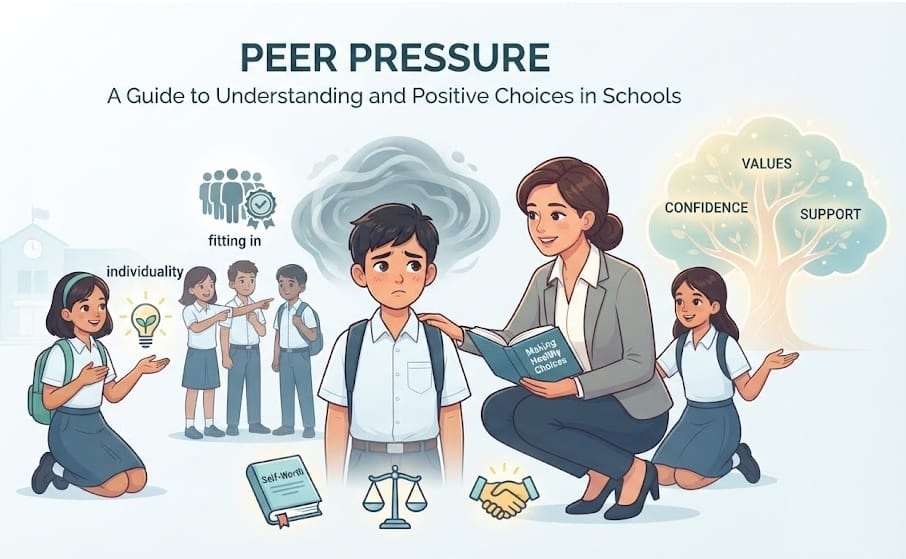
Peer Pressure

Peer Pressure

Peer pressure is a part of growing up. Every child and teenager wants to feel accepted by friends and classmates. While friendships can encourage learning, kindness, and confidence, they can also influence students to make choices they may not truly want to make. Understanding peer pressure helps students, parents, and teachers recognize its effects and respond in healthy ways.

Whether it is trying a harmful habit, dressing a certain way, or joining positive activities, peer pressure shapes many decisions during school years. Learning how to deal with it is an important life skill.

What Is Peer Pressure?

Peer pressure is the influence that people of the same age or social group have on one another. It can encourage someone to change their thoughts, behavior, or decisions to fit in with friends.

This influence is not always negative. Friends can inspire each other to study harder, participate in sports, volunteer, or develop good habits. Problems arise when students feel forced to do something that goes against their values or better judgment.

Why Is Peer Pressure So Powerful?

Children and teenagers naturally want to belong. Feeling accepted by classmates makes them feel safe and valued.

Researchers have found that adolescence is a period when the brain is still developing, especially the areas responsible for decision-making and self-control. At the same time, the brain becomes more sensitive to rewards and social approval. This combination makes teenagers more likely to be influenced by friends than adults.

According to the American Psychological Association, adolescents often place a high value on peer acceptance, making them more likely to adjust their behavior to match their social group.

Types of Peer Pressure

Positive Peer Pressure

Positive peer pressure encourages students to make better choices.

Examples include:

    • Joining a reading club.
    • Participating in sports.
    • Studying together before exams.
    • Helping classmates with homework.
    • Staying away from harmful habits.
    • Volunteering for community service.

Positive friendships help students build confidence, discipline, and leadership skills.

Negative Peer Pressure

Negative peer pressure pushes students toward unhealthy or risky behavior.

Examples include:

    • Cheating during examinations.
    • Skipping classes.
    • Bullying others.
    • Smoking or vaping.
    • Trying alcohol or drugs.
    • Spending excessive time on social media.
    • Taking dangerous online challenges.

Students often know these actions are wrong but may still participate because they fear rejection.

Direct and Indirect Peer Pressure

Direct Peer Pressure

This happens when someone openly asks or forces another person to do something.

Example:

“Everyone is doing it. Why aren’t you?”

Indirect Peer Pressure

Sometimes nobody says anything directly. Students simply observe what others are doing and feel they should behave the same way.

Example:

A student buys an expensive phone because many classmates own one, even though they never wanted it.

Common Situations Where Students Experience Peer Pressure

In School

Students may feel pressured to:

    • Score higher marks.
    • Join particular friend groups.
    • Wear fashionable clothes.
    • Participate in trends.
    • Cheat during exams.

Online

Social media has increased peer pressure significantly.

Students compare themselves with carefully edited photos and videos, leading to unrealistic expectations.

Common online pressures include:

    • Posting frequently.
    • Getting more followers.
    • Receiving likes and comments.
    • Participating in viral challenges.
    • Looking perfect in photographs.

A 2023 advisory from the U.S. Surgeon General highlighted growing concerns about the impact of excessive social media use on young people’s mental health.

Signs That a Student Is Facing Peer Pressure

Parents and teachers should watch for changes such as:

    • Sudden mood swings.
    • New friend groups.
    • Loss of confidence.
    • Anxiety before school.
    • Secretive behavior.
    • Declining academic performance.
    • Unexplained spending.
    • Changes in clothing or appearance.
    • Avoiding family conversations.

One sign alone does not always indicate peer pressure, but several changes together deserve attention.

How Peer Pressure Affects Students

Academic Performance

Students distracted by unhealthy friendships may lose interest in studies.

They may:

    • Miss assignments.
    • Skip classes.
    • Lose concentration.
    • Perform poorly in examinations.

Mental Health

Constant pressure to fit in can lead to:

    • Stress.
    • Anxiety.
    • Low self-esteem.
    • Loneliness.
    • Depression.

Physical Health

Negative peer pressure sometimes results in:

    • Lack of sleep.
    • Poor eating habits.
    • Substance use.
    • Risk-taking behavior.

Decision-Making

Students may stop making independent choices and simply follow others.

Over time, this weakens confidence and personal responsibility.

Real-Life Examples

Example 1

A student refuses to cheat during an exam even when classmates encourage it. Although teased initially, the student earns respect from teachers and develops self-confidence.

Example 2

A group of friends decides to prepare together for board examinations. Their shared discipline improves everyone’s performance.

Example 3

A teenager joins an online challenge simply because classmates are participating. The activity becomes dangerous and results in injury. This shows how online trends can become harmful when students stop thinking independently.

Why Some Students Are More Vulnerable

Several factors increase the likelihood of being influenced by peers.

Low Self-Confidence

Students who doubt themselves often seek approval from others.

Desire to Belong

Being accepted feels important during adolescence.

Fear of Missing Out

Also known as FOMO, this fear encourages students to follow trends even when they disagree with them.

Lack of Family Communication

Students who cannot openly discuss problems at home may depend more heavily on friends for guidance.

How Students Can Handle Peer Pressure

Learn to Say No

Saying “No” politely but confidently is an important life skill.

Simple responses include:

    • “I’m not comfortable doing that.”
    • “That’s not for me.”
    • “I’ll pass.”

Confidence grows with practice.

Choose Friends Carefully

Good friends:

    • Respect boundaries.
    • Encourage learning.
    • Celebrate achievements.
    • Support positive decisions.

Healthy friendships reduce harmful pressure.

Think Before Acting

Students should ask themselves:

    • Is this safe?
    • Is it legal?
    • Would my parents approve?
    • Could this affect my future?
    • Am I doing this because I truly want to?

These questions often prevent poor decisions.

Build Confidence

Students who believe in themselves are less likely to be influenced negatively.

Confidence develops through:

    • Sports.
    • Music.
    • Reading.
    • Public speaking.
    • Learning new skills.
    • Volunteering.

How Parents Can Help

Parents play a major role in reducing the effects of peer pressure.

Keep Communication Open

Talk daily without judging or criticizing.

Children are more likely to share problems when they feel heard.

Know Their Friends

Invite friends home and understand who your child spends time with.

Encourage Independent Thinking

Teach children that they do not need everyone’s approval.

Set Clear Expectations

Explain family values regarding honesty, respect, safety, and responsibility.

How Teachers Can Support Students

Schools have an important role in creating a positive environment.

Teachers can:

    • Encourage teamwork.
    • Recognize kindness.
    • Discuss peer pressure during classroom activities.
    • Promote anti-bullying programs.
    • Help students develop leadership skills.
    • Create opportunities for every child to participate.

Students who feel included are less likely to seek acceptance through unhealthy behavior.

Interesting Facts About Peer Pressure

Social Influence Begins Early

Children begin responding to peer influence in primary school, and it becomes stronger during adolescence.

Positive Friends Improve Results

Several educational studies show that students surrounded by motivated classmates often perform better academically because positive attitudes spread through social groups.

Peer Pressure Is Lifelong

Adults also experience peer pressure at work, in social circles, and online. Learning healthy decision-making during school helps throughout life.

Building Positive Peer Influence

Students can become role models by:

    • Including lonely classmates.
    • Standing against bullying.
    • Encouraging honest behavior.
    • Appreciating differences.
    • Supporting friends during difficult times.
    • Celebrating effort instead of popularity.

One confident student can influence an entire group in a positive direction.

Frequently Asked Questions

Is peer pressure always harmful?

No. Positive peer pressure encourages healthy habits, learning, teamwork, and responsible behavior.

At what age does peer pressure become stronger?

It usually becomes more noticeable during middle school and continues throughout the teenage years.

Can parents completely prevent peer pressure?

No, but strong communication, trust, and guidance greatly reduce its harmful effects.

Does social media increase peer pressure?

Yes. Constant comparison, online trends, and the desire for approval can increase pressure, especially among teenagers.

My Thoughts

Peer pressure is a normal part of growing up, but students should never feel that they must change who they are to gain acceptance. Strong values, supportive families, caring teachers, and positive friendships help young people make wise decisions even when faced with difficult situations.

The goal is not to avoid friendships but to build relationships that encourage honesty, kindness, confidence, and personal growth. When students learn to think independently and respect themselves, they become better prepared for school, college, careers, and life.

About the Author

Nidhi Mehta is the founder of IndiaTutor.in and a professional online educator with over 11 years of teaching experience. She specializes in tutoring Classes 1 to 6 across core academic subjects, with a strong focus on concept clarity and foundational skill-building. Her teaching approach is based on personalized, one-to-one learning that helps students develop long-term academic confidence and understanding.
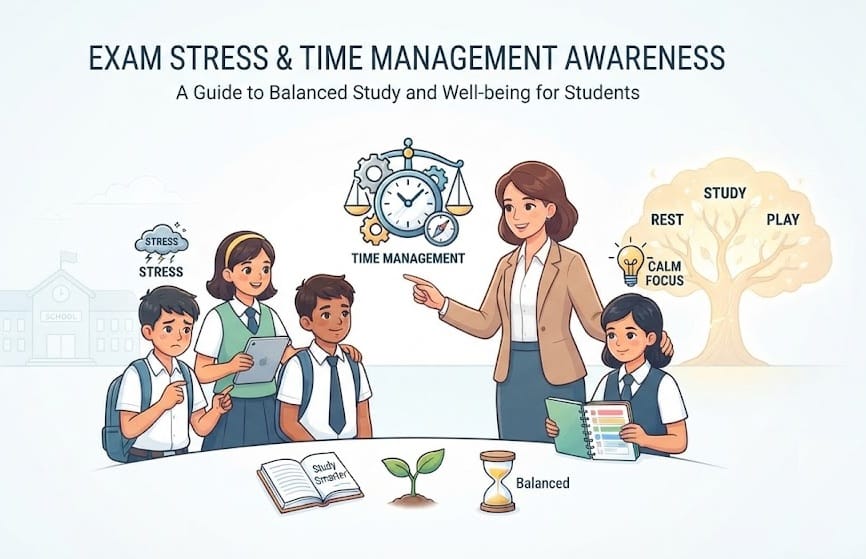
Exam Stress & Time Management

Exam Stress & Time Management

Exams are an important part of school life, but they should never become a source of constant fear. Every year, millions of students experience exam-related stress before unit tests, term exams, board examinations, and competitive entrance tests. While a certain level of pressure can improve focus, excessive stress can reduce concentration, affect sleep, lower confidence, and negatively impact academic performance.

The good news is that exam stress can be managed. With proper planning, healthy habits, and effective time management, students can prepare confidently without feeling overwhelmed.

This guide explains what exam stress is, why it happens, and practical ways students can stay organized, calm, and productive.

What Is Exam Stress?

Exam stress is the emotional, physical, and mental pressure students experience before or during examinations. It often develops when students feel they have too much to study in too little time or worry about disappointing themselves, their parents, or teachers.

Common signs include:

    • Feeling anxious before studying
    • Difficulty concentrating
    • Poor sleep
    • Frequent headaches
    • Irritability
    • Loss of motivation
    • Forgetting information during exams
    • Feeling tired even after resting

These reactions are common and can be managed with the right approach.

Why Do Students Feel Exam Pressure?

Several factors contribute to exam stress.

Fear of Failure

Many students believe that one exam determines their future. In reality, exams are only one measure of learning and do not define a person’s abilities.

Lack of Preparation

Waiting until the last few days to begin studying often creates unnecessary pressure.

High Expectations

Students may feel pressure from themselves, parents, relatives, friends, or social media to achieve perfect marks.

Comparing with Others

Comparing scores with classmates can reduce confidence and increase anxiety.

Poor Time Management

Without a study schedule, subjects pile up, making revision much more difficult.

What Research Says About Student Stress

Several studies show that academic pressure affects a large number of school students.

According to the World Health Organization (WHO), mental well-being during adolescence plays a major role in learning, confidence, and overall development.

Research published by the American Psychological Association has found that chronic stress can affect memory, attention, and learning efficiency.

India’s National Crime Records Bureau (NCRB) has also highlighted the importance of addressing academic pressure, with student stress remaining a significant concern across the country.

These findings remind us that managing stress is just as important as preparing for exams.

Why Time Management Matters

Time management means planning how you use your available hours effectively.

Students who manage their time well usually:

    • Complete homework on time
    • Revise regularly
    • Sleep better
    • Feel more confident
    • Avoid last-minute panic
    • Perform more consistently

Good planning creates more free time instead of less.

Create a Realistic Study Timetable

One of the best ways to reduce stress is to create a simple daily schedule.

Divide Subjects Across the Week

Instead of studying one subject for several hours, spread different subjects throughout the week.

For example:

    • Mathematics
    • Science
    • English
    • Social Science
    • Languages

Studying different subjects keeps the brain engaged.

Break Large Chapters into Smaller Tasks

Instead of writing:

“Finish Science.”

Write:

    • Read Chapter 3
    • Learn definitions
    • Solve textbook questions
    • Revise diagrams

Completing small tasks gives a sense of progress.

Keep Revision Time

Many students spend all their time learning new chapters and forget revision.

Experts generally recommend revising topics several times rather than reading them only once.

The 45–15 Study Method

Many students find it easier to study in focused sessions.

Study for about 45 minutes, followed by a 10–15 minute break.

During the break:

    • Walk around
    • Drink water
    • Stretch
    • Rest your eyes

Avoid spending the break scrolling endlessly on social media, as it often becomes much longer than planned.

Prioritize Difficult Subjects

Study the subjects you find most challenging when your mind feels fresh.

For many students, this is during the morning or immediately after returning from school and taking a short break.

Leave easier subjects for later.

Avoid Last-Minute Cramming

Trying to memorize an entire syllabus in one night rarely works.

Instead:

    • Start early.
    • Revise regularly.
    • Practice questions.
    • Review mistakes.
    • Sleep properly.

Learning over several weeks helps information stay in long-term memory.

Practice Writing Answers

Reading alone is not enough.

Writing answers helps improve:

    • Speed
    • Accuracy
    • Presentation
    • Confidence

For mathematics and science, solve problems on paper rather than only reading solutions.

For language subjects, practice writing complete answers.

Use Active Learning

Active learning is far more effective than passive reading.

Good methods include:

Teach Someone Else

Explaining a topic to a friend or family member helps identify gaps in understanding.

Make Short Notes

Create one-page summaries using important formulas, dates, keywords, and definitions.

Solve Previous Years’ Papers

Practicing earlier question papers improves familiarity with exam patterns and time limits.

Take Mock Tests

Timed practice tests help students learn how to complete papers within the available time.

Take Care of Your Health

Healthy habits improve concentration.

Sleep Well

The American Academy of Sleep Medicine recommends that teenagers generally need 8 to 10 hours of sleep every night.

Late-night studying may reduce memory and attention the next day.

Eat Balanced Meals

Choose nutritious foods such as fruits, vegetables, whole grains, milk, eggs, pulses, and nuts.

Avoid relying only on sugary snacks and energy drinks.

Stay Hydrated

Even mild dehydration can reduce concentration.

Drink water regularly throughout the day.

Exercise Daily

Even 20 to 30 minutes of walking, cycling, skipping, or playing outdoors can improve mood and reduce stress.

Reduce Digital Distractions

Mobile phones are one of the biggest challenges during exam preparation.

Helpful strategies include:

    • Keep the phone away while studying.
    • Turn off unnecessary notifications.
    • Use app timers.
    • Study first, then use social media as a reward.

Small changes can save several hours every week.

Build Confidence Instead of Perfection

Perfection is not necessary for success.

Focus on steady improvement.

For example:

Instead of saying,

“I must score 100%.”

Try saying,

“I will improve my score by preparing consistently.”

This mindset reduces unnecessary pressure.

What Parents Can Do

Parents play an important role in reducing exam stress.

They can:

    • Encourage regular study habits.
    • Praise effort instead of only marks.
    • Avoid comparing children with others.
    • Provide a quiet study environment.
    • Ensure proper sleep and meals.
    • Listen without criticism when children feel anxious.

Supportive families often help students perform better.

How Teachers Can Help

Teachers can reduce classroom anxiety by:

    • Explaining exam patterns clearly.
    • Giving realistic practice papers.
    • Providing constructive feedback.
    • Encouraging questions.
    • Recognizing improvement, not only high marks.

A positive classroom environment builds confidence.

When Should Students Seek Help?

Sometimes stress becomes difficult to manage alone.

Students should speak with parents, teachers, school counselors, or another trusted adult if they experience:

    • Constant anxiety
    • Frequent panic
    • Trouble sleeping for many days
    • Loss of interest in studies
    • Feeling hopeless
    • Difficulty coping with everyday activities

Seeking help early is a sign of strength, not weakness.

Simple Daily Habits That Make a Big Difference

Small routines often produce the biggest results.

    • Follow a study timetable.
    • Revise every day.
    • Practice writing answers.
    • Sleep well.
    • Stay physically active.
    • Eat healthy food.
    • Limit distractions.
    • Ask questions whenever you are confused.
    • Take short breaks.
    • Believe in steady progress.

My Thoughts

Exams are important, but they are only one part of your educational journey. Good preparation, smart time management, healthy routines, and a positive mindset can greatly reduce stress while improving academic performance.

Remember that success is built through consistent effort rather than last-minute studying. Every chapter completed, every practice paper solved, and every small improvement brings you one step closer to your goals.

With proper planning and the right support from parents and teachers, every student can approach exams with confidence, stay organized, and perform to the best of their abilities.

About the Author

Nidhi Mehta is the founder of IndiaTutor.in and a professional online educator with over 11 years of teaching experience. She specializes in tutoring Classes 1 to 6 across core academic subjects, with a strong focus on concept clarity and foundational skill-building. Her teaching approach is based on personalized, one-to-one learning that helps students develop long-term academic confidence and understanding.

Visit her profile    Visit About Us Page

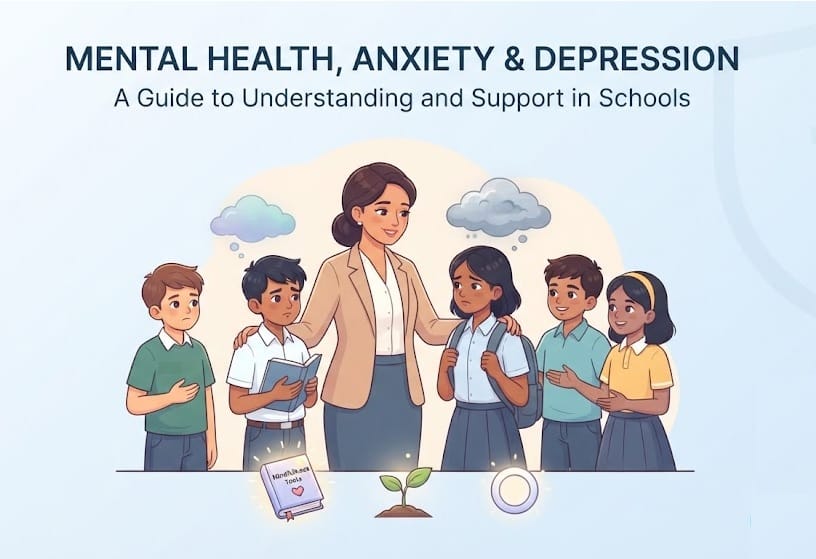
Mental Health, Anxiety & Depression

Mental Health, Anxiety & Depression

Mental health is just as important as physical health. A child may look healthy on the outside but may be struggling with stress, anxiety, sadness, or emotional pain. These feelings can affect learning, friendships, confidence, sleep, and overall happiness.

According to the World Health Organization (WHO), around 1 in 7 adolescents aged 10–19 years experiences a mental health condition, making emotional well-being one of the most important issues affecting young people today.

Parents, teachers, and schools play a major role in identifying problems early and providing support before they become more serious.

What Is Mental Health?

Mental health refers to a person’s emotional, psychological, and social well-being. It affects how children think, feel, behave, handle challenges, make decisions, and interact with others.

Good mental health helps students:

    • Learn effectively
    • Build healthy friendships
    • Handle stress
    • Solve problems
    • Feel confident
    • Enjoy school and family life

Mental health problems can happen to anyone regardless of intelligence, academic performance, or family background.

Why Mental Health Matters in School

Children spend a large part of their lives in school. Academic pressure, friendships, social media, examinations, bullying, family expectations, and changing emotions can all affect their mental well-being.

Studies have shown that students with good emotional health generally perform better academically, attend school more regularly, and build stronger relationships with classmates and teachers.

Ignoring emotional struggles can lead to long-term problems affecting education, career, and personal relationships.

Understanding Anxiety

Anxiety is the body’s natural response to stress or uncertainty. Feeling nervous before an exam, competition, or presentation is normal.

However, anxiety becomes a concern when it is excessive, lasts for weeks, or interferes with daily life.

Common Signs of Anxiety

    • Constant worrying
    • Fear without a clear reason
    • Difficulty concentrating
    • Trouble sleeping
    • Fast heartbeat
    • Sweating
    • Stomach aches
    • Headaches
    • Avoiding school or social activities
    • Feeling restless or tense

Some children cannot explain their feelings and may simply complain of physical discomfort.

Common Causes of Anxiety

Academic Pressure

Fear of poor marks, homework, competitive exams, or disappointing parents.

Bullying

Repeated teasing, exclusion, physical bullying, or cyberbullying.

Family Problems

Arguments at home, financial stress, divorce, illness, or loss of a loved one.

Social Media

Comparing themselves with others, fear of missing out (FOMO), online harassment, and unrealistic expectations.

Major Life Changes

Changing schools, moving to a new city, or adjusting after the pandemic.

What Is Depression?

Everyone feels sad occasionally. Depression is different.

Depression is a medical condition where sadness, hopelessness, or loss of interest continues for at least two weeks and affects daily functioning.

Children and teenagers with depression may not always cry. Some become angry, withdrawn, or unusually quiet.

Common Symptoms of Depression

    • Persistent sadness
    • Loss of interest in favourite activities
    • Low energy
    • Feeling worthless
    • Difficulty concentrating
    • Sleeping too much or too little
    • Changes in appetite
    • Poor academic performance
    • Avoiding friends
    • Frequent crying
    • Irritability
    • Thoughts that life has no meaning

These symptoms should never be ignored.

Mental Health Facts Every Parent Should Know

The World Health Organization reports that about 15% of the global burden of disease among adolescents is due to mental health conditions.

Research published in respected medical journals has found that half of all mental health conditions begin by around age 14, although many remain undetected and untreated.

The National Institute of Mental Health also notes that anxiety disorders are among the most common mental health conditions affecting children and adolescents.

Early identification greatly improves outcomes.

How Mental Health Affects Learning

A student experiencing anxiety or depression may appear lazy or uninterested, but the real problem is often emotional distress.

Mental health challenges can lead to:

    • Lower grades
    • Poor concentration
    • Memory difficulties
    • Reduced classroom participation
    • Frequent absenteeism
    • Behavioural changes
    • Loss of motivation
    • Reduced confidence

Supporting emotional well-being often improves academic performance.

Warning Signs Teachers Should Notice

Teachers interact with students daily and may notice changes before anyone else.

Watch for Changes Such As

    • Sudden drop in marks
    • Missing homework repeatedly
    • Sleeping during class
    • Withdrawal from classmates
    • Frequent crying
    • Anger or aggression
    • Lack of participation
    • Constant tiredness
    • Poor attendance
    • Loss of interest in activities

A caring conversation may encourage a student to seek help.

What Parents Can Do

Parents are often the first line of support.

Listen Without Judging

Allow children to express their feelings without immediately giving advice or criticism.

Maintain Daily Conversations

Simple questions like “How was your day?” can encourage communication.

Reduce Pressure

Praise effort instead of only focusing on marks.

Encourage Healthy Habits

Regular sleep, nutritious food, exercise, and outdoor activities improve emotional well-being.

Limit Screen Time

Balanced technology use helps reduce stress and improves sleep quality.

Spend Quality Time Together

Family meals, games, walks, and conversations strengthen emotional bonds.

How Schools Can Help

Schools have an important role in promoting emotional well-being.

Create Safe Classrooms

Students should feel respected and accepted regardless of their background or abilities.

Address Bullying Immediately

Every report of bullying should be taken seriously.

Train Teachers

Teachers should understand common signs of emotional distress and know when to refer students for additional support.

Promote Life Skills

Problem-solving, empathy, communication, resilience, and emotional regulation help students manage challenges.

Encourage Counselling

School counsellors provide a safe space where students can discuss concerns confidentially.

When Professional Help Is Needed

Professional support should be considered if symptoms:

    • Continue for several weeks
    • Become more severe
    • Affect school performance
    • Interfere with daily life
    • Include self-harm or suicidal thoughts

Qualified psychologists, psychiatrists, counsellors, and mental health professionals can provide assessment and treatment.

Seeking help is a sign of responsibility, not weakness.

Supporting Friends Who Are Struggling

Students can make a real difference by supporting classmates.

They should:

    • Listen kindly
    • Include isolated classmates
    • Report bullying
    • Encourage trusted adult support
    • Avoid spreading rumours
    • Never make fun of emotional struggles

Sometimes one caring friend changes everything.

Everyday Habits That Improve Mental Well-Being

Healthy routines build emotional resilience.

Good habits include:

    • Sleeping 8–10 hours each night
    • Daily physical activity
    • Eating balanced meals
    • Taking breaks from studies
    • Practising relaxation techniques
    • Spending time outdoors
    • Reading books
    • Developing hobbies
    • Maintaining positive friendships
    • Asking for help when needed

Small daily actions often make a big difference.

Common Myths About Mental Health

Myth: Only adults experience mental health problems.

Fact: Children and teenagers can also experience anxiety, depression, and other mental health conditions.

Myth: Mental health problems mean someone is weak.

Fact: Mental health conditions are medical conditions that can affect anyone.

Myth: Talking about feelings makes problems worse.

Fact: Open communication often helps people feel supported and understood.

Myth: Students should simply “try harder.”

Fact: Emotional health problems cannot be solved through willpower alone.

My Thoughts

Mental health deserves the same attention as physical health. Anxiety and depression are common, treatable, and nothing to be ashamed of. Parents, teachers, schools, and students all have a role in creating supportive environments where young people feel safe, heard, and valued.

Recognising the early signs, encouraging open conversations, reducing unnecessary pressure, and seeking professional help when required can make a lasting difference. Every child deserves not only a good education but also the opportunity to grow with confidence, resilience, and emotional well-being.

About the Author

Nidhi Mehta is the founder of IndiaTutor.in and a professional online educator with over 11 years of teaching experience. She specializes in tutoring Classes 1 to 6 across core academic subjects, with a strong focus on concept clarity and foundational skill-building. Her teaching approach is based on personalized, one-to-one learning that helps students develop long-term academic confidence and understanding.

Visit her profile    Visit About Us Page

error: Content is protected !!

Found this helpful? Share it in 2 seconds!

Link copied to clipboard