
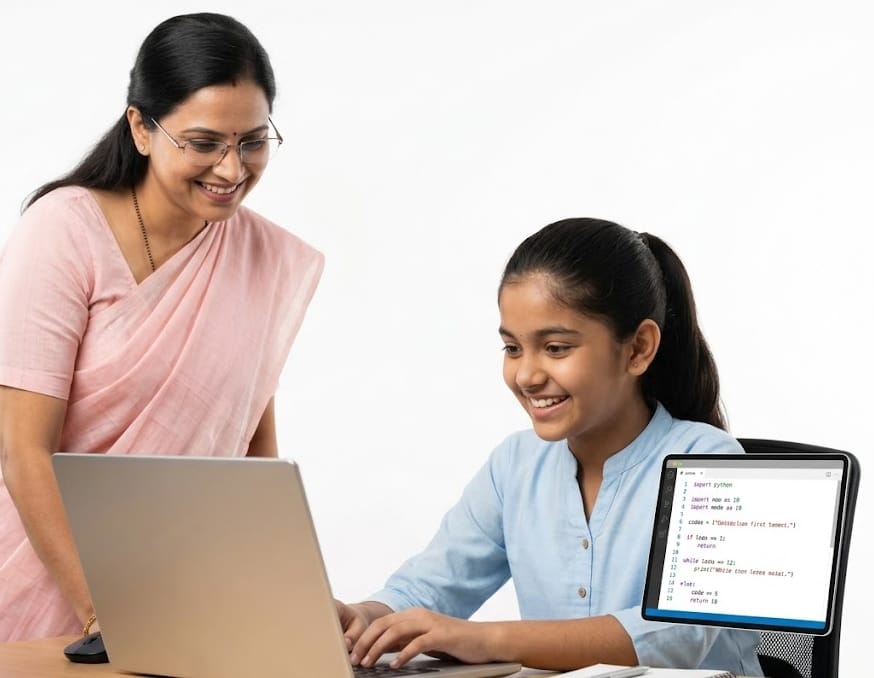
Computer Science is no longer a subject meant only for future software engineers. Today, technology influences education, communication, business, healthcare, banking, entertainment, and almost every industry. As a result, computer science skills have become essential for school students regardless of their career goals.
According to the World Economic Forum, digital skills, problem-solving abilities, and technology literacy are among the most important competencies required in the modern workforce. Students who develop these skills early often find it easier to adapt to new technologies, perform better academically, and prepare for future career opportunities.
This article explores the most important computer science skills every school student should develop and practical ways to improve them.
Why Computer Science Skills Matter for Students
Technology has become a part of everyday life. Students use computers for assignments, online learning, research, presentations, and communication. However, using technology is different from understanding how it works.
Learning computer science helps students:
-
- Improve logical thinking
- Develop problem-solving abilities
- Enhance creativity
- Build confidence with technology
- Prepare for future careers
- Understand digital safety and responsibility
Research from various educational studies has shown that students exposed to coding and computational thinking often demonstrate stronger analytical and reasoning skills compared to those with limited technology education.
Why Logical Thinking Matters More Than Memorization in Computer Science
Problem-Solving Skills
Problem-solving is one of the most valuable abilities taught through computer science.
Understanding Problems Systematically
Students learn to break large challenges into smaller parts. This approach helps not only in programming but also in mathematics, science, and daily life.
For example, if a student needs to design a school project website, they must first identify the requirements, plan the structure, create the pages, and then test the final product.
This step-by-step approach develops organized thinking.
Learning Through Mistakes
Programming teaches students that errors are part of learning. When code does not work correctly, students investigate the cause and find solutions.
This habit encourages persistence and resilience.
Computational Thinking
Computational thinking is a method of solving problems using concepts commonly applied in computer science.
Breaking Down Complex Tasks
Students learn to divide difficult tasks into manageable components.
For example, creating a simple game may involve:
-
- Designing characters
- Creating movement controls
- Adding scoring systems
- Testing gameplay
Handling each part separately makes the project easier to complete.
Recognizing Patterns
Many computer science activities involve identifying similarities between problems.
Students who recognize patterns often solve new challenges more efficiently because they can apply previous knowledge.
Why Some Students Excel in Computer Science While Others Struggle
Basic Programming Knowledge
Programming is one of the foundational skills in computer science.
Why Coding Is Important
Coding teaches students how software, applications, and websites are built.
Even basic programming knowledge helps students understand technology more deeply.
Popular beginner-friendly languages include:
-
- Python
- Scratch
- JavaScript
- HTML
- CSS
Python is especially popular because its simple syntax makes it easier for beginners to learn.
Building Logical Thinking
Writing code requires students to think carefully about instructions and sequences.
For example, if a student wants a program to calculate average marks, they must identify the required inputs, perform calculations, and display the results correctly.
This develops structured reasoning.
Digital Literacy
Digital literacy goes beyond operating a computer.
Finding Reliable Information
Students often use the internet for research. Learning how to evaluate sources is extremely important.
They should learn to:
-
- Verify information from multiple sources
- Check publication dates
- Identify trustworthy websites
- Avoid misinformation
These skills are valuable throughout academic and professional life.
Effective Online Communication
Students should understand how to communicate professionally through email, online discussions, and collaborative platforms.
Clear communication supports teamwork and academic success.
How Students Can Build a Strong Foundation in Computer Science
Cyber Safety Awareness
As internet usage increases, digital safety becomes increasingly important.
Protecting Personal Information
Students should understand how to:
-
- Create strong passwords
- Enable two-factor authentication
- Avoid sharing sensitive information online
- Recognize suspicious messages
Cybercrime affects millions of internet users worldwide every year, making online safety education essential.
Understanding Digital Responsibility
Responsible technology use includes:
-
- Respecting privacy
- Avoiding cyberbullying
- Following ethical online behavior
- Respecting intellectual property rights
Developing these habits early creates responsible digital citizens.
Data Handling and Analysis
Data is everywhere in today’s world.
Understanding Data
Students encounter data in subjects such as mathematics, science, economics, and geography.
Computer science teaches them how to:
-
- Collect information
- Organize records
- Interpret results
- Draw conclusions
Using Spreadsheets Effectively
Learning tools such as spreadsheets helps students analyze information efficiently.
For example, students can track study hours, calculate averages, create charts, and identify trends.
These practical skills are widely used in higher education and workplaces.
Creativity Through Technology
Computer science is not only about coding.
Designing Digital Projects
Students can express creativity through:
-
- Website design
- Graphic creation
- App development
- Game design
- Animation projects
These activities combine technical skills with imagination.
Creating Solutions
Many successful technological innovations began as simple ideas designed to solve everyday problems.
Computer science encourages students to think creatively and develop practical solutions.
How to Make Computer Science Fun and Exciting for Children
Collaboration and Teamwork
Modern technology projects are rarely completed by individuals working alone.
Working Together on Projects
Students often participate in group activities where they:
-
- Share ideas
- Divide responsibilities
- Review each other’s work
- Solve challenges collectively
These experiences improve teamwork and communication.
Learning Project Management
Students gain experience planning tasks, managing deadlines, and coordinating efforts with others.
These abilities are valuable in both academic and professional environments.
Understanding Artificial Intelligence and Emerging Technologies
Artificial Intelligence is becoming increasingly important in modern society.
Learning the Basics
School students should develop a basic understanding of:
-
- Artificial Intelligence
- Machine Learning
- Automation
- Robotics
- Cloud Computing
They do not need advanced technical expertise, but understanding the concepts helps them stay informed about technological developments.
Preparing for Future Careers
According to reports from international workforce organizations, many future jobs will require digital and technology-related skills.
Early exposure helps students adapt more easily to future opportunities.
Questions Parents Should Ask Before Hiring a Computer Science Tutor
Time Management and Productivity Tools
Technology can help students become more organized.
Using Digital Tools Effectively
Students can use technology to:
-
- Create study schedules
- Set reminders
- Manage assignments
- Track deadlines
- Organize notes
These habits improve productivity and reduce academic stress.
Avoiding Digital Distractions
Students should also learn how to balance technology use.
Developing self-discipline helps them focus on learning rather than spending excessive time on entertainment platforms.
Communication and Presentation Skills
Computer science supports effective communication.
Creating Professional Presentations
Students should learn to create presentations that are:
-
- Clear
- Visually appealing
- Well-organized
- Informative
Presentation skills are valuable in school projects, competitions, and future careers.
Explaining Technical Concepts
Learning how to explain technology in simple language helps students communicate effectively with different audiences.
This skill is highly valued in education and the workplace.
Practical Ways Students Can Improve Computer Science Skills
Students can strengthen their abilities through regular practice.
Start Small
Begin with basic programming exercises and gradually increase complexity.
Build Simple Projects
Examples include:
-
- Personal websites
- Quiz applications
- Calculators
- Digital portfolios
- Educational games
Projects provide hands-on experience and reinforce learning.
Participate in Competitions
Coding competitions, technology clubs, and school projects help students apply their knowledge in real-world situations.
Stay Curious
Technology evolves rapidly. Reading articles, exploring educational resources, and experimenting with new tools helps students continue learning.
My Thoughts
Computer science skills are becoming essential for success in education and future careers. Problem-solving, coding, digital literacy, cybersecurity awareness, data analysis, creativity, teamwork, and technology understanding all contribute to a student’s overall development.
Students who start building these skills during their school years often gain confidence, improve academic performance, and become better prepared for future opportunities. While self-learning can be effective, a private computer science tutor can provide structured guidance, personalized feedback, and targeted support. Tutors help students overcome difficulties faster, strengthen weak areas, and build confidence through one-to-one attention. This personalized approach often leads to deeper understanding, better grades, and stronger long-term technology skills.
Looking for expert Computer Science tutors?
Find Computer Science Tutors on IndiaTutor.in
About the Author
Nidhi Mehta is the founder of IndiaTutor.in and a professional online educator with over 11 years of teaching experience. She specializes in tutoring Classes 1 to 6 across core academic subjects, with a strong focus on concept clarity and foundational skill-building. Her teaching approach is based on personalized, one-to-one learning that helps students develop long-term academic confidence and understanding.


