
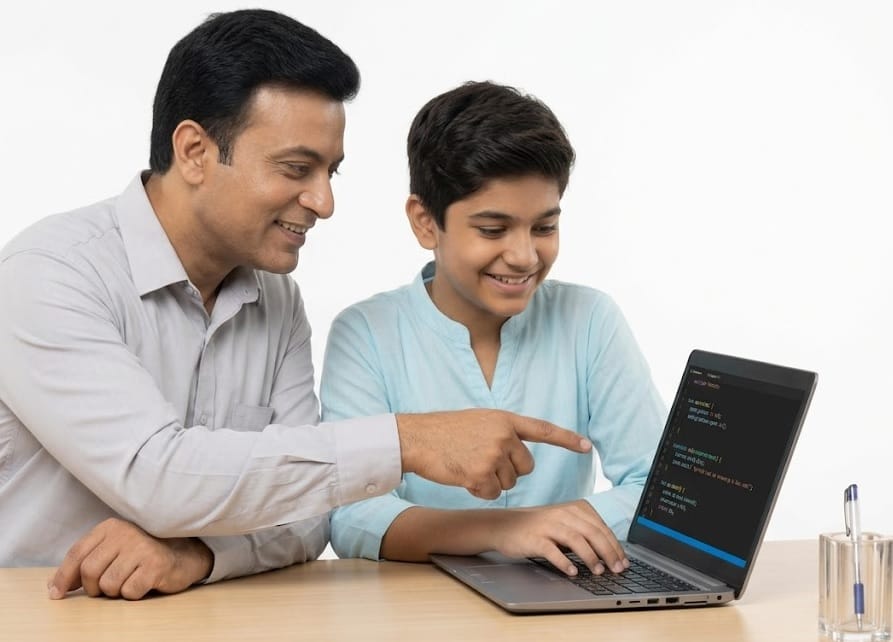
Computer Science is no longer a subject reserved for future programmers. Today, it helps children develop logical thinking, creativity, problem-solving abilities, and digital literacy. As technology becomes a part of everyday life, understanding how computers work is becoming as important as reading, writing, and mathematics.
However, many children view Computer Science as difficult, technical, or boring. Long explanations, complex terminology, and theory-heavy lessons can quickly reduce interest. The good news is that Computer Science can be made enjoyable, engaging, and highly rewarding when introduced in the right way.
This guide will help parents create a positive learning experience that encourages curiosity and builds confidence.
Why Computer Science Matters for Today’s Children
The world is becoming increasingly digital. According to the World Economic Forum, technology-related skills are among the fastest-growing skills globally. Many future careers will require some level of understanding of computers, data, coding, automation, or artificial intelligence.
Learning Computer Science offers several benefits:
- Improves logical reasoning
- Strengthens problem-solving skills
- Encourages creativity
- Develops analytical thinking
- Builds confidence with technology
- Prepares children for future careers
Research published by the American Academy of Pediatrics has also highlighted that productive technology use can support learning, creativity, and cognitive development when used appropriately.
The key is helping children see Computer Science as something exciting rather than intimidating.
Why Logical Thinking Matters More Than Memorization in Computer Science
Start with Their Interests
Children learn best when lessons connect to things they already enjoy.
Instead of beginning with technical concepts, look at your child’s hobbies and interests.
Gaming Enthusiasts
If your child enjoys video games, explain how games are designed and programmed. Show them simple game creation tools where they can build their own levels, characters, or animations.
Creative Learners
Children who enjoy drawing, storytelling, or designing may love creating animations, digital art, or interactive stories using beginner-friendly platforms.
Curious Thinkers
Children who ask lots of questions often enjoy discovering how websites, mobile apps, robots, and smart devices function.
When Computer Science connects with personal interests, motivation naturally increases.
Introduce Coding Through Play
One of the biggest mistakes adults make is treating coding like a traditional academic subject.
Young learners respond much better to hands-on activities.
Use Visual Coding Platforms
Many beginner-friendly tools allow children to create projects using drag-and-drop blocks instead of complex programming syntax.
These platforms help students understand concepts such as:
- Sequences
- Loops
- Conditions
- Events
- Variables
Without feeling overwhelmed, children start learning computational thinking through experimentation and creativity.
Create Small Projects
Children stay engaged when they can see immediate results.
Simple projects may include:
- Animated stories
- Interactive quizzes
- Mini games
- Digital greeting cards
- Virtual pets
Completing projects gives learners a sense of achievement and keeps them interested.
Why Some Students Excel in Computer Science While Others Struggle
Turn Everyday Activities into Learning Opportunities
Computer Science concepts can be introduced without using a computer.
Teach Algorithms Through Daily Tasks
An algorithm is simply a set of instructions.
Ask children to explain:
- How to make a sandwich
- How to brush teeth
- How to pack a school bag
Breaking activities into steps helps them understand the logic behind programming.
Encourage Problem Solving
Present small challenges such as:
- Finding the shortest route in a room
- Organizing books efficiently
- Solving puzzles
These activities strengthen the same thinking skills used in coding.
Make Learning Interactive
Children learn more effectively when they actively participate.
Use Educational Games
Interactive games often teach important concepts such as:
- Logic
- Pattern recognition
- Sequencing
- Critical thinking
Many educational games transform learning into an enjoyable experience rather than a classroom task.
Explore Robotics
Robotics combines coding, engineering, and creativity.
Building and controlling robots can make abstract concepts easier to understand.
Students learn:
- Cause and effect
- Programming logic
- Design thinking
- Problem solving
Robotics activities are particularly effective for children who enjoy hands-on learning.
How Students Can Build a Strong Foundation in Computer Science
Encourage Creativity Alongside Technology
Many people incorrectly assume Computer Science is only about coding.
In reality, creativity plays a major role.
Design Digital Projects
Allow children to create:
- Websites
- Presentations
- Posters
- Animations
- Videos
This helps them combine technical skills with imagination.
Let Them Solve Real Problems
Ask children how technology could help solve everyday challenges.
For example:
- A reminder app for homework
- A digital timetable
- A family budgeting tracker
Thinking about practical solutions develops innovation and critical thinking.
Celebrate Curiosity and Experimentation
Children should feel comfortable making mistakes.
Many successful technology innovations were developed through trial and error.
Focus on Learning Rather Than Perfection
When a project does not work correctly, avoid criticism.
Instead, encourage questions such as:
- What happened?
- Why did it happen?
- What can we change?
This mindset teaches resilience and persistence.
Praise Effort
Research from Stanford University psychologist Dr. Carol Dweck shows that praising effort rather than natural ability encourages a growth mindset.
Children become more willing to tackle difficult challenges when they understand that improvement comes through practice.
Computer Science Skills Every School Student Should Develop
Set Realistic Expectations
Not every child will become a software engineer, and that is perfectly fine.
The goal is not necessarily to create expert programmers.
The objective is to develop:
- Confidence
- Digital literacy
- Logical thinking
- Creativity
- Problem-solving abilities
Even basic Computer Science knowledge can provide lifelong advantages.
Avoid Overloading Children
Too many lessons or advanced topics can reduce enthusiasm.
Keep sessions:
- Short
- Enjoyable
- Age-appropriate
- Practical
Consistent exposure over time is usually more effective than intensive study.
Learn Together as a Family
Children often become more enthusiastic when parents participate.
You do not need advanced technical knowledge.
Simply showing interest can make a significant difference.
Ask Questions
Encourage conversations such as:
- What did you create today?
- How does your project work?
- What problem did you solve?
These discussions reinforce learning and build confidence.
Explore Technology Together
Watch educational videos, try beginner coding activities, or explore simple projects as a family.
Shared experiences create positive associations with learning.
Questions Parents Should Ask Before Hiring a Computer Science Tutor
Help Children See Real-World Applications
Many students lose interest when they cannot understand why a subject matters.
Show examples of how Computer Science influences daily life.
Explain Familiar Technologies
Discuss the technology behind:
- Mobile apps
- Online shopping
- Navigation systems
- Streaming services
- Social media platforms
Children often become fascinated when they realize how much technology surrounds them.
Introduce Inspiring Success Stories
Many young innovators started experimenting with technology at an early age.
Stories about app creators, entrepreneurs, and inventors can inspire children to explore their own ideas.
Create a Positive Learning Environment
The learning environment has a strong impact on motivation.
Encourage Questions
Children should never feel embarrassed about asking for clarification.
Curiosity is one of the most valuable qualities in Computer Science.
Provide Access to Resources
Useful learning materials may include:
- Age-appropriate books
- Interactive websites
- Educational videos
- Coding challenges
- Project kits
A variety of resources keeps learning fresh and interesting.
Common Mistakes Parents Should Avoid
Comparing Children
Every child learns at a different pace.
Comparisons can reduce confidence and enjoyment.
Focusing Only on Marks
Computer Science is about skills and understanding, not just examination scores.
Expecting Immediate Results
Developing technical skills takes time.
Celebrate small achievements along the way.
Turning Learning into Pressure
Children are more likely to stay engaged when learning feels rewarding rather than stressful.
My Thoughts
Making Computer Science fun and exciting does not require expensive equipment or advanced expertise. By connecting learning to your child’s interests, encouraging creativity, using interactive activities, and celebrating curiosity, parents can help children develop a lifelong appreciation for technology.
A private Computer Science tutor can provide personalized guidance, explain difficult concepts in simple ways, and create lessons based on a child’s learning style. Individual attention often helps students build confidence faster, stay motivated, and develop stronger problem-solving skills. For children who need additional support or greater challenges, one-to-one tutoring can make learning both enjoyable and highly effective.
Looking for expert Computer Science tutors?
Find Computer Science Tutors on IndiaTutor.in
About the Author
Nidhi Mehta is the founder of IndiaTutor.in and a professional online educator with over 11 years of teaching experience. She specializes in tutoring Classes 1 to 6 across core academic subjects, with a strong focus on concept clarity and foundational skill-building. Her teaching approach is based on personalized, one-to-one learning that helps students develop long-term academic confidence and understanding.
Visit her profile Visit About Us Page
Share your Feedback or Review – Contact Us
Tutors, Register your Tutor profile
Career Tutors, Get Personalized Tutor Branding Services
Do you Own a Tuition Center? List it here
Are you a Parent or Student? Share your Tutor Requirement


