
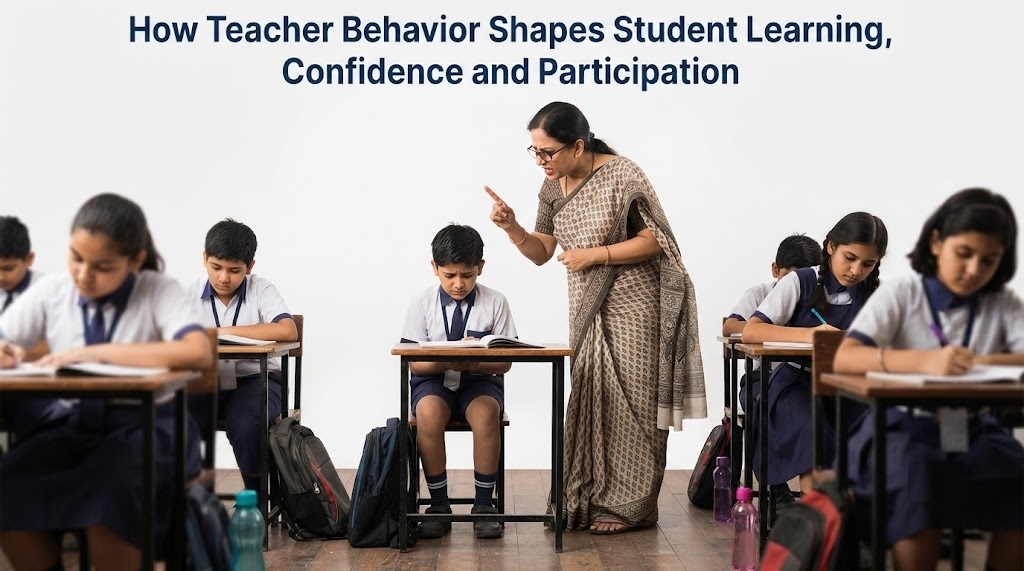
Respect, Kindness & Inclusion

Respect, Kindness & Inclusion

Every student wants to feel accepted, respected, and valued. A positive school environment is not created only by good teachers or modern classrooms. It grows when students treat one another with respect, show kindness in everyday actions, and include everyone regardless of differences.

These simple values improve learning, reduce bullying, strengthen friendships, and help children develop into caring and responsible adults. Whether a student is in Class 1 or Class 12, learning to respect others is just as important as learning Mathematics, Science, or English.

This article explains why respect, kindness, and inclusion matter, how they benefit students, and what schools, parents, and children can do to create a happier and safer learning environment.

What Is Respect?

Respect means treating others with dignity, fairness, and consideration. It involves listening carefully, speaking politely, valuing different opinions, and recognizing that everyone deserves kindness.

Respect is shown through everyday actions such as:

    • Listening without interrupting
    • Using polite language
    • Following classroom rules
    • Respecting personal space
    • Taking care of school property
    • Appreciating teachers, classmates, and support staff

Respect does not mean always agreeing with someone. It means disagreeing politely and treating people with courtesy even when opinions differ.

Understanding Kindness

Kindness is choosing to help, encourage, and support others without expecting anything in return.

Kind acts may seem small, but they often make a lasting difference.

Examples include:

    • Helping a classmate understand a lesson
    • Inviting someone sitting alone to join a group
    • Sharing study notes
    • Thanking teachers and school staff
    • Encouraging friends before exams
    • Saying kind words during difficult times

Research consistently shows that kindness benefits both the giver and the receiver. According to studies published by researchers at the University of Oxford and other institutions, acts of kindness are linked to improved happiness, stronger social relationships, and reduced stress.

What Does Inclusion Mean?

Inclusion means making sure everyone feels welcomed, accepted, and involved.

Every student is unique. Children differ in their abilities, language, culture, religion, interests, personality, learning speed, and family background.

An inclusive classroom ensures that every child feels they belong.

Inclusion means:

    • No student is left out.
    • Everyone gets opportunities to participate.
    • Differences are respected instead of criticized.
    • Every voice is heard.

Students who feel included are generally more confident and participate more actively in classroom activities.

Why These Values Matter in Schools

Schools are where children spend a significant part of their lives. Positive interactions during these years shape their personality, emotional well-being, and future relationships.

A respectful and inclusive school environment helps students:

Feel Safe

Students who feel emotionally safe are more willing to ask questions, participate in discussions, and express their ideas.

Improve Academic Performance

Research from educational organizations has shown that positive school climate is associated with better attendance, higher academic achievement, and greater student engagement.

Build Confidence

Children who receive encouragement and acceptance develop stronger self-esteem.

Develop Leadership Skills

Students who practice empathy and cooperation often become effective leaders because they know how to work well with others.

The Impact of Bullying

Bullying has serious consequences for both victims and those who engage in it.

According to UNESCO’s global school violence reports, nearly one in three students worldwide has experienced bullying at school.

Bullying may be:

Physical Bullying

Pushing, hitting, or damaging belongings.

Verbal Bullying

Name-calling, teasing, insults, or threats.

Social Bullying

Excluding someone, spreading rumors, or encouraging others to avoid a classmate.

Cyberbullying

Using social media, messaging apps, or online games to harass or embarrass someone.

Even small acts of exclusion can affect a child’s confidence and mental well-being.

Simple Ways Students Can Show Respect

Students can create a positive classroom every day through small actions.

Listen Carefully

Allow others to finish speaking before responding.

Speak Politely

Use respectful language even during disagreements.

Follow School Rules

Rules exist to create fairness and safety for everyone.

Respect Different Opinions

Not everyone thinks the same way, and that is perfectly normal.

Appreciate Others

Celebrate classmates’ achievements instead of feeling jealous.

Easy Ways to Practice Kindness Every Day

Kindness does not require money or special skills.

Students can:

    • Smile and greet classmates.
    • Offer help during difficult lessons.
    • Encourage friends before tests.
    • Thank teachers regularly.
    • Include new students in games.
    • Help someone who drops their books.
    • Share useful learning resources.

These simple actions create lasting positive memories.

Making Every Student Feel Included

Inclusion begins with everyday choices.

Welcome New Students

A friendly introduction can help someone settle into a new school much faster.

Include Everyone in Activities

Avoid forming groups that leave certain classmates out.

Respect Different Cultures

Schools bring together students from diverse backgrounds. Learning about different traditions builds understanding and friendship.

Support Students with Different Learning Needs

Everyone learns differently. Patience and encouragement help create an inclusive classroom.

The Role of Teachers

Teachers play an important role in building respectful classrooms.

They can:

Set Clear Expectations

Students should understand what respectful behavior looks like.

Encourage Teamwork

Group activities help children learn cooperation.

Address Problems Early

Small conflicts should be resolved before they become bigger issues.

Celebrate Diversity

Recognizing different talents, cultures, and achievements helps every student feel valued.

How Parents Can Help

Learning respect starts at home.

Parents can:

    • Demonstrate polite behavior.
    • Encourage children to apologise sincerely.
    • Teach empathy.
    • Praise kind actions.
    • Discuss online behaviour.
    • Encourage children to stand up against bullying safely.

Children often copy the behaviour they observe at home.

Digital Respect Is Just as Important

Today’s students spend considerable time online.

Digital kindness means:

    • Thinking before posting.
    • Avoiding hurtful comments.
    • Respecting privacy.
    • Never forwarding embarrassing photos or messages.
    • Reporting cyberbullying to trusted adults.

A kind online community is just as important as a kind classroom.

Real-Life Example

Imagine two students joining a new school.

One is ignored during lunch, left out of games, and rarely spoken to.

The other is welcomed by classmates, invited to group activities, and helped with schoolwork.

Which student is more likely to feel confident, enjoy learning, and perform better academically?

The answer is obvious. Small acts of inclusion can completely change someone’s school experience.

Benefits That Last a Lifetime

Respect, kindness, and inclusion prepare students for success beyond school.

These values help children become:

Better Communicators

Respectful conversations improve relationships.

Strong Team Players

Most careers require collaboration.

Responsible Citizens

Inclusive thinking strengthens communities.

Confident Individuals

Students who feel accepted develop greater self-belief.

Practical Classroom Activities

Schools can encourage these values through simple activities.

Kindness Challenge

Students perform one kind act every day for a week.

Appreciation Wall

Classmates write positive notes about one another.

Buddy System

Older or experienced students help new classmates adjust.

Group Projects

Mixed teams encourage cooperation and understanding.

Gratitude Journal

Students write three positive experiences every week.

These activities build habits that continue beyond the classroom.

My Thoughts

Respect, kindness, and inclusion are not complicated ideas. They are everyday choices that make schools happier, safer, and more welcoming for everyone.

Every polite conversation, every helping hand, every encouraging word, and every effort to include someone creates a stronger school community.

Students who practice these values not only become better classmates but also grow into compassionate, confident, and responsible adults. When schools, families, and communities work together to promote respect, kindness, and inclusion, everyone benefits.

A better school begins with one simple decision: treat every person with dignity, kindness, and respect.

Related Topics

Bullying & Cyberbullying

Smoking, Vaping, Alcohol & Drugs

Mental Health, Anxiety & Depression

Internet Safety & Social Media Safety

Self-Esteem, Confidence & Body Image

Exam Stress & Time Management

Peer Pressure

Online Gaming & Smartphone Addiction 

Managing Anger & Emotions

About the Author

Nidhi Mehta is the founder of IndiaTutor.in and a professional online educator with over 11 years of teaching experience. She specializes in tutoring Classes 1 to 6 across core academic subjects, with a strong focus on concept clarity and foundational skill-building. Her teaching approach is based on personalized, one-to-one learning that helps students develop long-term academic confidence and understanding.
Visit her profile    Visit About Us Page

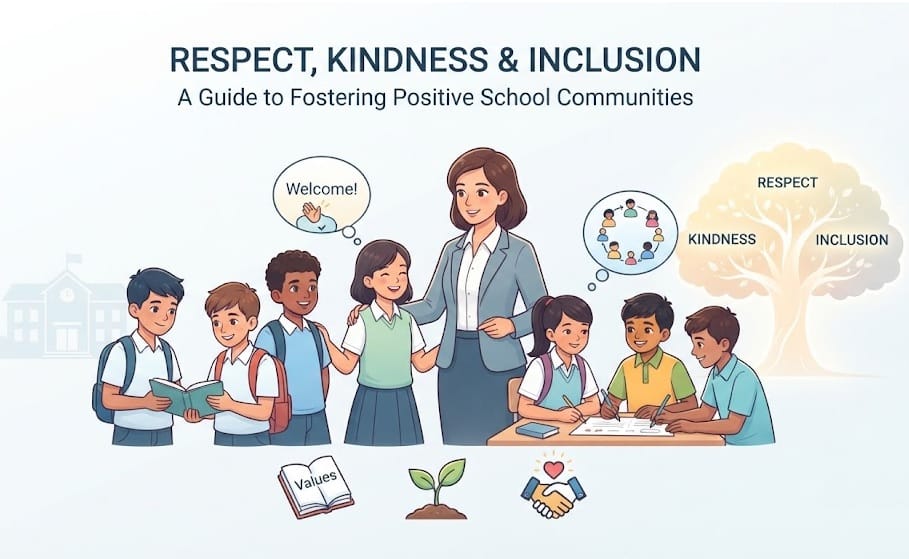
Peer Pressure

Peer Pressure

Peer pressure is a part of growing up. Every child and teenager wants to feel accepted by friends and classmates. While friendships can encourage learning, kindness, and confidence, they can also influence students to make choices they may not truly want to make. Understanding peer pressure helps students, parents, and teachers recognize its effects and respond in healthy ways.

Whether it is trying a harmful habit, dressing a certain way, or joining positive activities, peer pressure shapes many decisions during school years. Learning how to deal with it is an important life skill.

What Is Peer Pressure?

Peer pressure is the influence that people of the same age or social group have on one another. It can encourage someone to change their thoughts, behavior, or decisions to fit in with friends.

This influence is not always negative. Friends can inspire each other to study harder, participate in sports, volunteer, or develop good habits. Problems arise when students feel forced to do something that goes against their values or better judgment.

Why Is Peer Pressure So Powerful?

Children and teenagers naturally want to belong. Feeling accepted by classmates makes them feel safe and valued.

Researchers have found that adolescence is a period when the brain is still developing, especially the areas responsible for decision-making and self-control. At the same time, the brain becomes more sensitive to rewards and social approval. This combination makes teenagers more likely to be influenced by friends than adults.

According to the American Psychological Association, adolescents often place a high value on peer acceptance, making them more likely to adjust their behavior to match their social group.

Types of Peer Pressure

Positive Peer Pressure

Positive peer pressure encourages students to make better choices.

Examples include:

    • Joining a reading club.
    • Participating in sports.
    • Studying together before exams.
    • Helping classmates with homework.
    • Staying away from harmful habits.
    • Volunteering for community service.

Positive friendships help students build confidence, discipline, and leadership skills.

Negative Peer Pressure

Negative peer pressure pushes students toward unhealthy or risky behavior.

Examples include:

    • Cheating during examinations.
    • Skipping classes.
    • Bullying others.
    • Smoking or vaping.
    • Trying alcohol or drugs.
    • Spending excessive time on social media.
    • Taking dangerous online challenges.

Students often know these actions are wrong but may still participate because they fear rejection.

Direct and Indirect Peer Pressure

Direct Peer Pressure

This happens when someone openly asks or forces another person to do something.

Example:

“Everyone is doing it. Why aren’t you?”

Indirect Peer Pressure

Sometimes nobody says anything directly. Students simply observe what others are doing and feel they should behave the same way.

Example:

A student buys an expensive phone because many classmates own one, even though they never wanted it.

Common Situations Where Students Experience Peer Pressure

In School

Students may feel pressured to:

    • Score higher marks.
    • Join particular friend groups.
    • Wear fashionable clothes.
    • Participate in trends.
    • Cheat during exams.

Online

Social media has increased peer pressure significantly.

Students compare themselves with carefully edited photos and videos, leading to unrealistic expectations.

Common online pressures include:

    • Posting frequently.
    • Getting more followers.
    • Receiving likes and comments.
    • Participating in viral challenges.
    • Looking perfect in photographs.

A 2023 advisory from the U.S. Surgeon General highlighted growing concerns about the impact of excessive social media use on young people’s mental health.

Signs That a Student Is Facing Peer Pressure

Parents and teachers should watch for changes such as:

    • Sudden mood swings.
    • New friend groups.
    • Loss of confidence.
    • Anxiety before school.
    • Secretive behavior.
    • Declining academic performance.
    • Unexplained spending.
    • Changes in clothing or appearance.
    • Avoiding family conversations.

One sign alone does not always indicate peer pressure, but several changes together deserve attention.

How Peer Pressure Affects Students

Academic Performance

Students distracted by unhealthy friendships may lose interest in studies.

They may:

    • Miss assignments.
    • Skip classes.
    • Lose concentration.
    • Perform poorly in examinations.

Mental Health

Constant pressure to fit in can lead to:

    • Stress.
    • Anxiety.
    • Low self-esteem.
    • Loneliness.
    • Depression.

Physical Health

Negative peer pressure sometimes results in:

    • Lack of sleep.
    • Poor eating habits.
    • Substance use.
    • Risk-taking behavior.

Decision-Making

Students may stop making independent choices and simply follow others.

Over time, this weakens confidence and personal responsibility.

Real-Life Examples

Example 1

A student refuses to cheat during an exam even when classmates encourage it. Although teased initially, the student earns respect from teachers and develops self-confidence.

Example 2

A group of friends decides to prepare together for board examinations. Their shared discipline improves everyone’s performance.

Example 3

A teenager joins an online challenge simply because classmates are participating. The activity becomes dangerous and results in injury. This shows how online trends can become harmful when students stop thinking independently.

Why Some Students Are More Vulnerable

Several factors increase the likelihood of being influenced by peers.

Low Self-Confidence

Students who doubt themselves often seek approval from others.

Desire to Belong

Being accepted feels important during adolescence.

Fear of Missing Out

Also known as FOMO, this fear encourages students to follow trends even when they disagree with them.

Lack of Family Communication

Students who cannot openly discuss problems at home may depend more heavily on friends for guidance.

How Students Can Handle Peer Pressure

Learn to Say No

Saying “No” politely but confidently is an important life skill.

Simple responses include:

    • “I’m not comfortable doing that.”
    • “That’s not for me.”
    • “I’ll pass.”

Confidence grows with practice.

Choose Friends Carefully

Good friends:

    • Respect boundaries.
    • Encourage learning.
    • Celebrate achievements.
    • Support positive decisions.

Healthy friendships reduce harmful pressure.

Think Before Acting

Students should ask themselves:

    • Is this safe?
    • Is it legal?
    • Would my parents approve?
    • Could this affect my future?
    • Am I doing this because I truly want to?

These questions often prevent poor decisions.

Build Confidence

Students who believe in themselves are less likely to be influenced negatively.

Confidence develops through:

    • Sports.
    • Music.
    • Reading.
    • Public speaking.
    • Learning new skills.
    • Volunteering.

How Parents Can Help

Parents play a major role in reducing the effects of peer pressure.

Keep Communication Open

Talk daily without judging or criticizing.

Children are more likely to share problems when they feel heard.

Know Their Friends

Invite friends home and understand who your child spends time with.

Encourage Independent Thinking

Teach children that they do not need everyone’s approval.

Set Clear Expectations

Explain family values regarding honesty, respect, safety, and responsibility.

How Teachers Can Support Students

Schools have an important role in creating a positive environment.

Teachers can:

    • Encourage teamwork.
    • Recognize kindness.
    • Discuss peer pressure during classroom activities.
    • Promote anti-bullying programs.
    • Help students develop leadership skills.
    • Create opportunities for every child to participate.

Students who feel included are less likely to seek acceptance through unhealthy behavior.

Interesting Facts About Peer Pressure

Social Influence Begins Early

Children begin responding to peer influence in primary school, and it becomes stronger during adolescence.

Positive Friends Improve Results

Several educational studies show that students surrounded by motivated classmates often perform better academically because positive attitudes spread through social groups.

Peer Pressure Is Lifelong

Adults also experience peer pressure at work, in social circles, and online. Learning healthy decision-making during school helps throughout life.

Building Positive Peer Influence

Students can become role models by:

    • Including lonely classmates.
    • Standing against bullying.
    • Encouraging honest behavior.
    • Appreciating differences.
    • Supporting friends during difficult times.
    • Celebrating effort instead of popularity.

One confident student can influence an entire group in a positive direction.

Frequently Asked Questions

Is peer pressure always harmful?

No. Positive peer pressure encourages healthy habits, learning, teamwork, and responsible behavior.

At what age does peer pressure become stronger?

It usually becomes more noticeable during middle school and continues throughout the teenage years.

Can parents completely prevent peer pressure?

No, but strong communication, trust, and guidance greatly reduce its harmful effects.

Does social media increase peer pressure?

Yes. Constant comparison, online trends, and the desire for approval can increase pressure, especially among teenagers.

My Thoughts

Peer pressure is a normal part of growing up, but students should never feel that they must change who they are to gain acceptance. Strong values, supportive families, caring teachers, and positive friendships help young people make wise decisions even when faced with difficult situations.

The goal is not to avoid friendships but to build relationships that encourage honesty, kindness, confidence, and personal growth. When students learn to think independently and respect themselves, they become better prepared for school, college, careers, and life.

Related Topics

Bullying & Cyberbullying

Smoking, Vaping, Alcohol & Drugs

Mental Health, Anxiety & Depression

Internet Safety & Social Media Safety

Self-Esteem, Confidence & Body Image

Exam Stress & Time Management

Respect, Kindness & Inclusion

Online Gaming & Smartphone Addiction 

Managing Anger & Emotions

About the Author

Nidhi Mehta is the founder of IndiaTutor.in and a professional online educator with over 11 years of teaching experience. She specializes in tutoring Classes 1 to 6 across core academic subjects, with a strong focus on concept clarity and foundational skill-building. Her teaching approach is based on personalized, one-to-one learning that helps students develop long-term academic confidence and understanding.
Visit her profile    Visit About Us Page

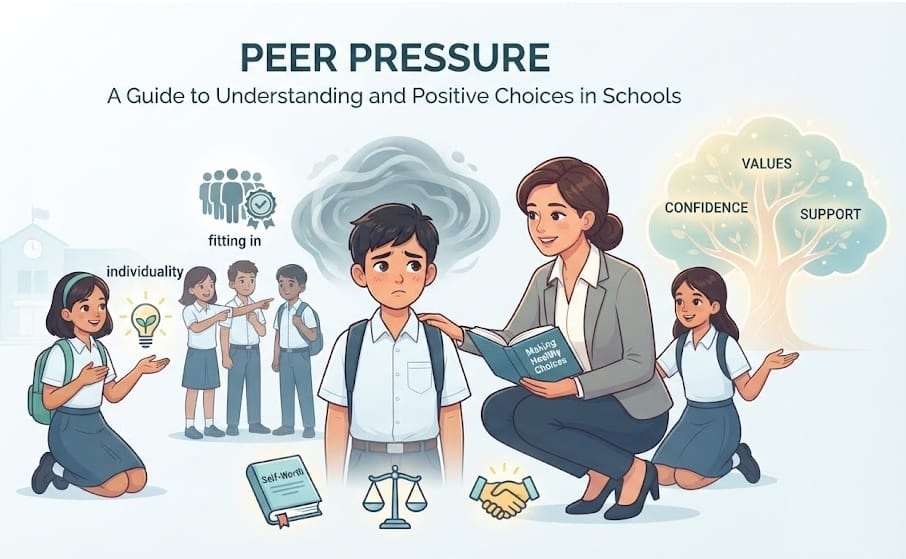
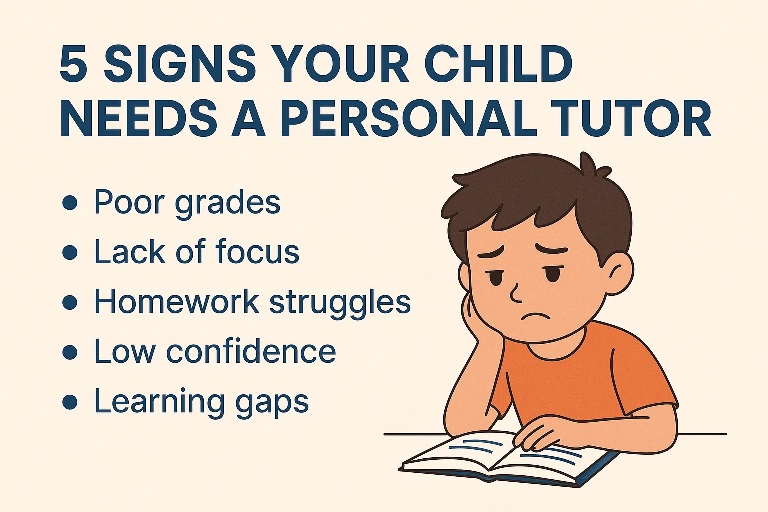
5 Signs Your Child Needs a Personal Tutor

5 Signs your child needs a personal tutor

Every child learns differently. Some students grasp new concepts quickly, while others need additional guidance and practice. Struggling in school does not always mean a lack of ability. In many cases, it simply means a child needs more personalized attention than a classroom can provide.

According to data from the UNESCO Institute for Statistics, teacher-to-student ratios in many schools can make it challenging for educators to give individual support to every learner. As academic expectations continue to increase, many parents are turning to personal tutors to help their children build confidence, improve performance, and develop stronger study habits.

If you are wondering whether your child could benefit from extra academic support, here are five common signs to watch for.

1. Grades Are Consistently Declining

A temporary dip in marks is normal. However, a steady decline across tests, assignments, and report cards may indicate a deeper issue.

Children often struggle silently when they do not fully understand foundational concepts. As lessons become more advanced, these learning gaps can grow larger and affect overall performance.

What Parents May Notice

    • Lower scores in quizzes and examinations
    • Incomplete or incorrect homework
    • Difficulty understanding classroom lessons
    • Frequent comments from teachers about academic concerns

How a Personal Tutor Can Help

A tutor can identify specific areas where a student is struggling and create a focused learning plan. One-on-one instruction allows difficult topics to be explained at a pace that suits the child’s learning style.

2. Homework Has Become a Daily Battle

Homework should reinforce learning, not create frustration every evening.

If your child spends hours completing simple assignments, frequently asks for help, or avoids homework altogether, it may indicate that classroom instruction alone is not meeting their needs.

Common Warning Signs

    • Excessive time spent on routine tasks
    • Frequent complaints about schoolwork
    • Lack of understanding of assignment instructions
    • Emotional reactions when homework is discussed

Why This Matters

Research has shown that prolonged academic frustration can reduce motivation and negatively affect a student’s attitude toward learning. Early intervention can prevent small challenges from becoming long-term obstacles.

3. Confidence in Learning Is Decreasing

Academic confidence plays a major role in student success.

Children who repeatedly experience difficulties may begin to believe they are “bad” at a subject. This mindset can affect participation, effort, and overall achievement.

Signs of Low Academic Confidence

    • Reluctance to answer questions in class
    • Fear of making mistakes
    • Avoidance of challenging topics
    • Negative self-talk about abilities

The Value of Individual Attention

A personal tutor provides a supportive environment where students can ask questions without fear of judgment. As understanding improves, confidence often grows alongside academic results.

4. Test Scores Do Not Reflect Effort

Some students work hard but continue to perform below expectations during examinations.

This situation often points to issues such as poor study techniques, ineffective revision methods, weak time management, or exam anxiety.

Indicators to Watch

    • Good homework performance but poor test results
    • Difficulty completing papers on time
    • Forgetting information during exams
    • Inconsistent academic outcomes

How Tutoring Supports Better Results

Experienced tutors teach more than subject knowledge. They can help students develop study schedules, revision strategies, note-taking skills, and test-taking techniques that improve overall performance.

5. Your Child Needs More Challenge Than School Provides

Tutoring is not only for struggling students.

Many high-performing learners seek enrichment opportunities beyond the classroom. Advanced students can become disengaged if lessons move too slowly or fail to challenge their abilities.

Signs of Academic Under-Stimulation

    • Finishing classwork quickly
    • Expressing boredom during lessons
    • Seeking more advanced material independently
    • Strong interest in competitive examinations or olympiads

Benefits for Advanced Learners

A tutor can introduce higher-level concepts, problem-solving techniques, and enrichment activities that keep talented students engaged and motivated.

Why More Parents Are Choosing Personal Tutors

The demand for personalized education continues to grow worldwide. Studies consistently show that individualized instruction can improve learning outcomes because teaching is adapted to the student’s specific strengths, weaknesses, and goals.

A personal tutor can help students:

    • Strengthen subject knowledge
    • Improve academic performance
    • Build confidence
    • Develop better study habits
    • Prepare for important examinations
    • Achieve long-term educational goals

Why Indian parents are choosing online tutors over Coaching Centers in India

Choosing the Right Tutor

Not every tutor will be the right fit for every student.

Parents should look for educators who have:

    • Relevant teaching experience
    • Strong subject expertise
    • Good communication skills
    • Positive reviews or references
    • The ability to adapt teaching methods to different learning styles

The best tutor is someone who can create a supportive learning environment while helping a student reach their full potential.

How to Choose the Right Tutor for your Child – A Parent’s Checklist

My Thoughts

Every child faces academic challenges at some point. The key is recognizing when additional support can make a meaningful difference. Whether your child is struggling with a subject, losing confidence, or seeking greater academic challenges, a personal tutor can provide the guidance needed to move forward successfully.

Parents looking for qualified tutors and educators seeking more students can register on IndiaTutor.in. The platform enables direct communication between parents and tutors, offers verified profiles, and helps families find the right academic support without paying commissions.

Top 10 benefits of hiring a private tutor for your child

About the Author

Nidhi Mehta is the founder of IndiaTutor.in and a professional online educator with over 11 years of teaching experience. She specializes in tutoring Classes 1 to 6 across core academic subjects, with a strong focus on concept clarity and foundational skill-building. Her teaching approach is based on personalized, one-to-one learning that helps students develop long-term academic confidence and understanding.
Visit her profile    Visit About Us Page

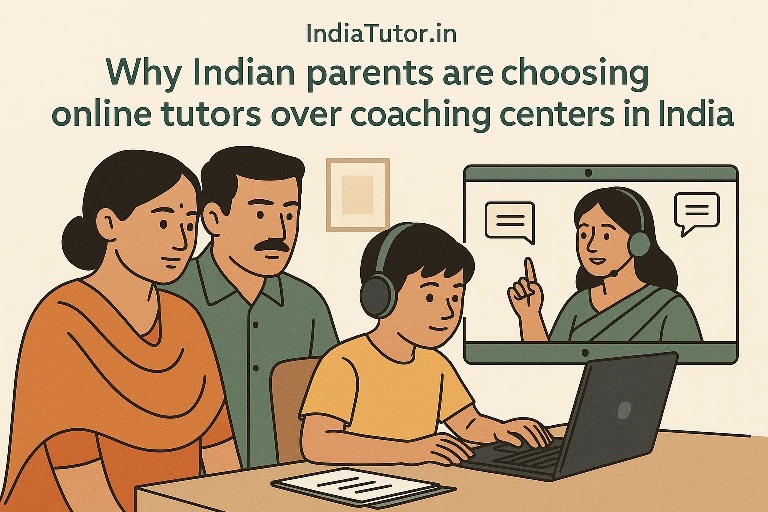
Why Indian Parents Are Choosing Online Tutors Over Coaching Centers

Why Indian parents are choosing online tutors over Coaching Centers in India

Education has always been a top priority for Indian families. For decades, coaching centers were the preferred choice for additional academic support. However, a major shift is taking place. Today, more parents are exploring online tutoring as a practical, flexible, and effective alternative to traditional coaching institutes.

The rapid growth of digital learning, improved internet access, and increasing demand for personalized education have changed how students learn outside the classroom. As a result, online tutoring is becoming a preferred option for families across India and among Non-Resident Indian (NRI) families worldwide.

Online Vs Home Tuition – What is better for your child’s learning

The Rise of Online Tutoring in India

The online tutoring industry in India is growing at an impressive pace. According to market research, the Indian online tutoring market generated approximately USD 549 million in 2024 and is projected to exceed USD 1.8 billion by 2030, growing at a compound annual growth rate (CAGR) of over 21%. This growth reflects the increasing acceptance of online learning among students and parents.

The shift is not limited to metropolitan cities. Students from Tier 2 and Tier 3 cities are increasingly adopting digital learning solutions because they offer access to quality teachers regardless of location.

Top 10 benefits of hiring a private tutor for your child

Why Parents Are Moving Away from Traditional Coaching Centers

Limited Individual Attention

Many coaching institutes operate in large batches. A single teacher may handle dozens of students at the same time. While this model works for some learners, many students struggle to receive the personal guidance they need.

In one-to-one online tuition, the tutor focuses entirely on a single student. Lessons can be adjusted according to learning speed, strengths, and weak areas. This often leads to better understanding and improved academic performance.

Travel Consumes Valuable Time

A significant drawback of coaching centers is commuting. Students may spend hours each week traveling between school, home, and tuition classes.

Online learning removes this challenge completely. Students can attend classes from home, saving travel time and reducing daily stress.

Flexible Scheduling

Modern families often manage busy schedules that include school activities, sports, hobbies, and family commitments.

Online tutors offer greater flexibility in selecting class timings. This allows parents to create a learning schedule that fits comfortably into a student’s routine.

How to Choose the Right Tutor for your Child – A Parent’s Checklist

Personalized Learning Is Becoming More Important

Learning at the Student’s Pace

Every child learns differently. Some grasp concepts quickly, while others need additional explanations and practice.

Online tutoring allows lessons to move at the student’s pace. Tutors can spend more time on difficult topics without worrying about keeping up with a large classroom schedule.

Customized Study Plans

Unlike standardized coaching programs, private tutors can design learning plans based on:

    • Academic goals
    • School syllabus
    • Examination requirements
    • Strengths and weaknesses
    • Learning style

This targeted approach helps students focus on areas that need the most improvement.

Better Access to Specialized Tutors

One of the biggest advantages of online education is access to a wider pool of teachers.

Find the Right Subject Expert

Parents are no longer restricted to tutors available in their neighborhood. They can connect with experienced educators from anywhere in India.

Whether a student needs help with Mathematics, Science, English, Accountancy, Computer Science, Coding, Foreign Languages, or competitive exam preparation, it is easier to find a specialist online.

Support for Different Boards and Curriculums

Indian families often look for support in:

    • CBSE
    • ICSE
    • State Boards
    • IGCSE
    • IB
    • GCSE
    • American Curriculum

Online platforms make it easier to find tutors familiar with specific educational systems and examination patterns.

Why Trusted Tutor Platforms Are the Future of Tuition Jobs

Technology Makes Learning More Interactive

Digital Tools Improve Understanding

Modern online classes use various teaching aids such as:

    • Interactive whiteboards
    • Screen sharing
    • Presentations
    • Educational videos
    • Digital worksheets
    • Practice assessments

These tools help simplify complex topics and keep students engaged.

Recorded Sessions for Revision

Many tutors provide recordings of lessons, allowing students to revisit important concepts whenever needed.

This feature is rarely available in conventional coaching centers and can be particularly useful during exam preparation.

Increased Parent Involvement

Better Communication

Parents can communicate directly with tutors regarding progress, attendance, assignments, and academic goals.

This creates a stronger partnership between parents and educators.

Improved Transparency

Since classes take place online, parents often have better visibility into the learning process. They can understand what is being taught and monitor their child’s progress more effectively.

Cost Efficiency Matters

Quality education can be expensive. Coaching centers often charge for infrastructure, administration, transportation, and other operational expenses.

Online tutoring can reduce several of these costs while still providing access to experienced educators. Families can choose from different fee structures and find options that fit their budget.

Academic Competition Is Driving Demand

A recent government survey reported that nearly one in three school students in India takes private coaching or tuition. This highlights the growing importance families place on additional academic support.

As competition increases, parents are looking for solutions that deliver measurable academic improvement. Personalized online tutoring is increasingly viewed as a more efficient way to help students achieve their educational goals.

Why Smart Parents Choose Verified Tutors Instead of Random Ads

Benefits for Tutors

The growth of online education is creating new opportunities for teachers as well.

Reach Students Beyond Local Boundaries

Online tutors can teach students from different cities, states, and even countries without relocating.

Flexible Work Opportunities

Teachers can offer:

    • Full-time online tuition
    • Part-time tutoring
    • Weekend classes
    • Subject-specific coaching
    • Exam preparation programs

This flexibility allows educators to build rewarding teaching careers while maintaining control over their schedules.

Build a Personal Teaching Brand

Many successful tutors now create digital profiles, educational videos, and subject-focused content to attract students directly. This helps them establish credibility and expand their reach.

Register your Tutor Profile on IndiaTutor.in

The Future of Learning in India

The popularity of online tutoring is not simply a temporary trend. Rising internet penetration, increasing smartphone usage, greater acceptance of digital learning, and demand for personalized education are transforming the education landscape across India. Multiple industry reports project strong double-digit growth for online tutoring and coaching services over the coming years.

While coaching centers will continue to play an important role, many parents are discovering that online tutoring offers greater convenience, individual attention, flexibility, and access to qualified teachers.

For students seeking academic improvement and for educators looking to expand their teaching opportunities, online tutoring represents one of the most significant developments in modern education.

Parents looking for experienced online tutors and teachers seeking quality student inquiries can create their profile on IndiaTutor.in. The platform helps families connect directly with qualified tutors, enabling transparent communication, direct contact, and zero commission on tuition fees.

About the Author

Nidhi Mehta is the founder of IndiaTutor.in and a professional online educator with over 11 years of teaching experience. She specializes in tutoring Classes 1 to 6 across core academic subjects, with a strong focus on concept clarity and foundational skill-building. Her teaching approach is based on personalized, one-to-one learning that helps students develop long-term academic confidence and understanding.

Visit her profile    Visit About Us Page

error: Content is protected !!

Found this helpful? Share it in 2 seconds!

Link copied to clipboard