
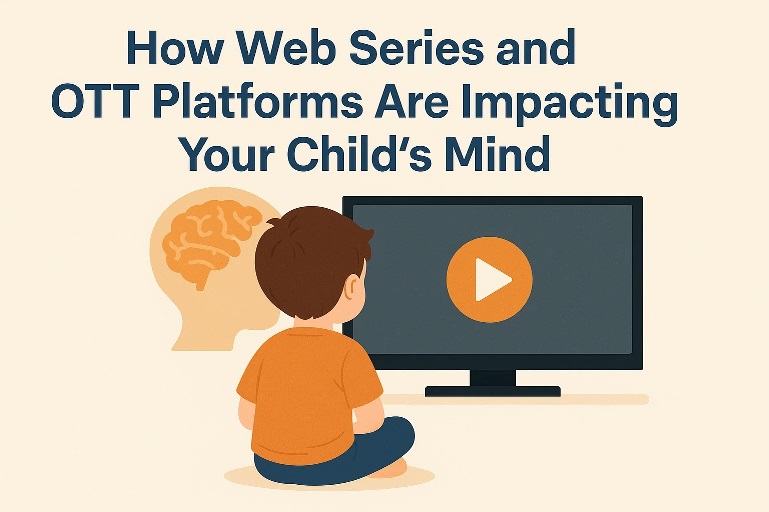
How Web Series and OTT Platforms Are Impacting Your Child’s Mind

How Web Series and OTT Platforms Are Impacting Your Child’s Mind

Streaming platforms have transformed entertainment. Today, children and teenagers can watch thousands of hours of content on demand, anytime and anywhere. From educational documentaries to engaging dramas and animated shows, OTT platforms offer endless choices.

However, many parents are beginning to ask an important question: What effect is all this viewing having on my child’s mind?

While OTT platforms can provide learning opportunities and creative inspiration, excessive consumption can influence attention span, emotional development, sleep quality, behavior, academic performance, and social skills. Understanding these effects can help parents make informed decisions and create healthier viewing habits at home.

Should Kids Watch Web Series? Expert Advice for Parents

The Growing Popularity of OTT Platforms Among Children

Over the last few years, OTT services have become a major source of entertainment for young audiences. Smartphones, tablets, smart TVs, and laptops have made access easier than ever.

Research shows that OTT consumption has become a regular part of daily life. One study found that nearly 89% of respondents used OTT platforms, with movies, web series, and video content being among the most popular forms of entertainment.

For many children, streaming content is no longer an occasional activity. It has become a daily routine.

How OTT Content Affects a Child’s Brain

Constant Stimulation Can Reduce Attention Span

Most web series are designed to keep viewers engaged. Fast-paced editing, dramatic cliffhangers, autoplay features, and personalized recommendations encourage continuous watching.

Young brains are still developing the ability to focus, delay gratification, and manage distractions. When children become accustomed to constant stimulation, traditional learning activities such as reading, writing, and classroom instruction may feel less engaging.

Many teachers report that increased screen exposure is associated with reduced concentration and classroom attention among students.

How to Help Kids Reduce Screen Time Without Arguments

Binge-Watching Encourages Instant Gratification

Unlike traditional television schedules, OTT platforms allow viewers to watch multiple episodes without interruption.

This can create a habit of seeking immediate rewards. Over time, children may become less patient with activities that require sustained effort, including homework, exam preparation, problem-solving, and skill development.

Emotional Development Can Be Influenced by Content

Children often learn by observing. Characters in web series can shape attitudes, language, relationships, and behavior patterns.

Positive content can encourage empathy, creativity, and resilience. However, repeated exposure to aggression, unhealthy relationships, risky behavior, or unrealistic lifestyles may affect how children view the world.

Younger viewers may struggle to distinguish entertainment from reality, making parental guidance especially important.

How Excessive Screen Time Affects Your Child’s Mind and Body

The Link Between OTT Viewing and Sleep Problems

Blue Light Exposure Before Bedtime

Many children watch web series late at night on personal devices. Screens emit blue light, which can interfere with melatonin production, the hormone responsible for regulating sleep.

Poor sleep affects memory, concentration, emotional regulation, and academic performance.

A recent study found that nearly 40% of children aged 2 to 5 experienced sleep-related issues associated with excessive screen exposure. Researchers also found that screen use before bedtime significantly increased the risk of sleep disturbances.

Sleep Loss Impacts Learning

When children do not get adequate rest, the effects often appear in school.

Common Signs Include:

    • Difficulty concentrating
    • Reduced memory retention
    • Increased irritability
    • Lower academic performance
    • Lack of motivation

Even a highly capable student can struggle if sleep quality declines.

Impact on Mental and Emotional Well-Being

Increased Risk of Anxiety and Emotional Difficulties

Growing evidence suggests that excessive screen exposure may be linked to emotional and behavioral challenges.

A large analysis involving more than 292,000 children found strong associations between higher screen use and problems such as anxiety, aggression, low self-esteem, and emotional difficulties.

This does not mean that OTT platforms alone cause these issues. However, excessive viewing can become part of a cycle where children use screens to cope with stress, loneliness, or boredom.

Reduced Real-World Social Interaction

Children develop communication skills through conversations, play, teamwork, and face-to-face experiences.

When streaming entertainment occupies a large portion of free time, opportunities for real-world interaction may decrease.

Over time, this can affect:

    • Social confidence
    • Emotional intelligence
    • Conflict-resolution skills
    • Relationship-building abilities

Academic Performance and OTT Consumption

Less Time Available for Productive Activities

Every hour spent watching content is an hour not spent on reading, revision, sports, hobbies, or family interaction.

A nationwide study involving more than 6.3 lakh participants found that 74% of CBSE students spent over two hours daily on screens for non-academic purposes, while many teachers observed reduced concentration and behavioral concerns among students.

Learning Habits Can Be Affected

Successful students generally develop routines that include:

    • Regular study schedules
    • Consistent practice
    • Reading habits
    • Physical activity
    • Adequate sleep

Excessive binge-watching can disrupt these routines and make it harder for children to maintain academic discipline.

The Rise of Couch Potato Kids – How to Get Them Active Again

Not All OTT Content Is Harmful

It is important to maintain perspective.

OTT platforms also offer many benefits when used wisely.

Educational Advantages

High-quality content can:

    • Improve general knowledge
    • Introduce new cultures and ideas
    • Support language development
    • Encourage curiosity
    • Make learning more engaging

Documentaries, educational series, science programs, and historical content can complement classroom learning.

Opportunities for Family Discussion

Watching selected programs together can create opportunities to discuss:

    • Values
    • Ethics
    • Relationships
    • Current events
    • Problem-solving

Parental involvement often makes content more meaningful and educational.

Warning Signs Parents Should Watch For

Your Child May Be Developing Unhealthy Viewing Habits If They:

    • Become irritable when screen time is restricted
    • Lose interest in outdoor activities
    • Struggle to focus on studies
    • Stay awake late to watch content
    • Prefer screens over social interaction
    • Constantly think about the next episode

Mental health professionals increasingly report concerns about focus issues, behavioral changes, sleep disruption, and excessive dependence on screens among children and adolescents.

Rising Stress in School Children – Causes, Symptoms, and How Parents Can Help

Practical Tips for Parents

Create Clear Viewing Rules

Establish age-appropriate limits and ensure children understand expectations.

Keep Screens Out of Bedrooms

This simple step can significantly improve sleep quality and reduce late-night viewing.

Encourage Offline Activities

Sports, reading, music, art, and family activities help create a healthy balance.

Watch Together When Possible

Co-viewing allows parents to understand what children are watching and discuss important themes.

Focus on Content Quality

The type of content often matters as much as the amount of screen time.

Be a Positive Role Model

Children observe adult behavior closely. Healthy digital habits at home influence everyone in the family.

Why Your Child Needs More Outdoor Playtime and Less Screen Time

My Thoughts

Web series and OTT platforms are neither completely good nor completely bad. Their impact depends largely on how they are used.

Moderate viewing, thoughtful content selection, parental involvement, and balanced daily routines can help children enjoy the benefits of digital entertainment without compromising their emotional well-being, learning, or personal development.

As technology continues to evolve, the goal is not to eliminate screens but to teach children how to use them responsibly.

Looking for experienced tutors who can help your child build stronger study habits, improve focus, and achieve better academic results? Register on IndiaTutor.in to connect directly with qualified tutors across India.

Tutors can also create a profile on IndiaTutor.in, showcase their expertise, and reach students and parents without paying commissions.

Register your Tutor Profile on IndiaTutor.in

About the Author

Nidhi Mehta is the founder of IndiaTutor.in and a professional online educator with over 11 years of teaching experience. She specializes in tutoring Classes 1 to 6 across core academic subjects, with a strong focus on concept clarity and foundational skill-building. Her teaching approach is based on personalized, one-to-one learning that helps students develop long-term academic confidence and understanding.
Visit her profile    Visit About Us Page

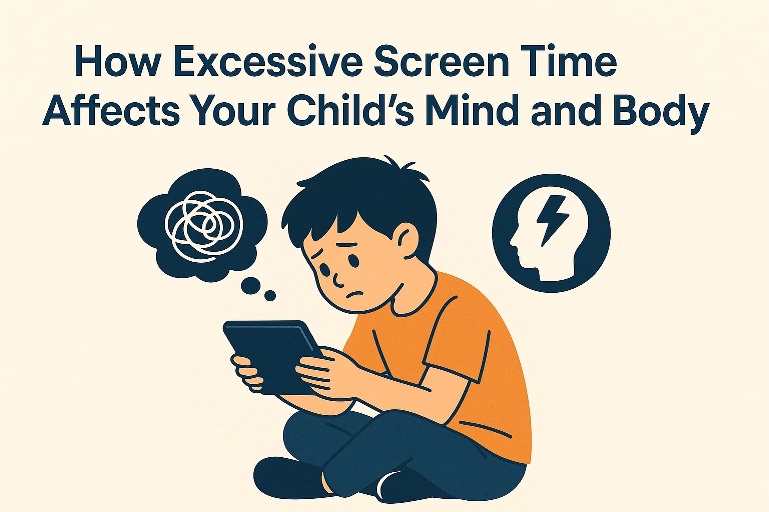
How Excessive Screen Time Affects Your Child’s Mind and Body

How Online Games Affect Your Child’s Brain and Behavior

Screens have become a part of everyday life. From online classes and homework to entertainment and social media, children spend a significant portion of their day looking at phones, tablets, laptops, and televisions. While technology offers many educational benefits, too much screen exposure can affect a child’s physical health, mental well-being, learning ability, and overall development.

Many parents wonder how much screen time is too much and what impact it can have on growing children. Understanding the effects can help families create healthier habits and support better learning outcomes.

How Much Screen Time Is Too Much for Kids? Expert Guidelines for Parents

Understanding Screen Time in Children

Screen time refers to the amount of time spent using digital devices such as smartphones, tablets, computers, gaming consoles, and televisions.

According to the World Health Organization (WHO), young children should have limited recreational screen exposure, while school-age children benefit from a balanced routine that includes physical activity, sleep, learning, and social interaction. Excessive screen use often replaces these important activities, leading to developmental concerns.

How Web Series and OTT Platforms Are Impacting Your Child’s Mind

How Screen Time Affects the Brain

Reduced Attention Span

Many digital platforms are designed to deliver rapid content and constant stimulation. Frequent exposure to short-form videos, fast-paced games, and endless scrolling can make it difficult for children to focus on tasks that require sustained concentration.

Children who spend long hours switching between apps and content may struggle with:

    • Paying attention during lessons
    • Completing homework
    • Reading books for extended periods
    • Following detailed instructions

Research has shown that excessive media use can be associated with attention difficulties and reduced academic performance in some children.

Impact on Learning and Memory

The brain needs time to process and store information effectively. Continuous digital stimulation can interfere with deep learning.

When children spend more time consuming content than actively engaging in problem-solving, reading, writing, or discussion, it may affect:

    • Memory retention
    • Critical thinking skills
    • Creativity
    • Independent learning abilities

Increased Risk of Anxiety and Stress

Social media exposure, online comparisons, gaming pressure, and constant notifications can contribute to emotional strain.

Children may experience:

    • Feelings of inadequacy
    • Fear of missing out (FOMO)
    • Mood swings
    • Increased stress levels

Studies have found links between excessive screen exposure and higher rates of anxiety symptoms among adolescents.

How Online Games Affect Your Child’s Brain and Behavior

Physical Effects of Excessive Screen Use

Eye Strain and Vision Problems

One of the most common complaints among children is digital eye strain.

Symptoms may include:

    • Dry eyes
    • Blurred vision
    • Headaches
    • Burning sensations
    • Difficulty focusing

The Indian Journal of Ophthalmology and several international studies have reported a significant rise in digital eye strain among school-going children since the increase in device usage.

Poor Posture and Body Pain

Children often use devices while sitting in awkward positions for long periods.

This can lead to:

    • Neck discomfort
    • Shoulder pain
    • Back problems
    • Muscle stiffness

Poor posture habits developed during childhood can continue into adulthood if not corrected.

Reduced Physical Activity

Every hour spent sitting with a device is often an hour not spent moving, playing, or exercising.

The consequences may include:

    • Weight gain
    • Reduced fitness levels
    • Lower stamina
    • Increased risk of childhood obesity

The World Health Organization recommends at least 60 minutes of moderate to vigorous physical activity daily for children and adolescents.

Why Your Child Needs More Outdoor Playtime and Less Screen Time

The Connection Between Screen Time and Sleep

Blue Light Disrupts Natural Sleep Cycles

Digital screens emit blue light, which can interfere with the production of melatonin, the hormone responsible for regulating sleep.

Using devices before bedtime may:

    • Delay sleep onset
    • Reduce sleep quality
    • Cause frequent waking during the night

Sleep Deprivation Affects Daily Performance

Children who do not get enough sleep may experience:

    • Irritability
    • Difficulty concentrating
    • Lower academic performance
    • Reduced emotional control

Research suggests that school-age children generally require between 9 and 12 hours of sleep per night, depending on age.

Rising Stress in School Children – Causes, Symptoms, and How Parents Can Help

Social and Emotional Consequences

Less Face-to-Face Interaction

Healthy communication skills develop through real-world conversations and social experiences.

Excessive device use can reduce opportunities for:

    • Family discussions
    • Outdoor play
    • Team activities
    • Friendship building

These experiences are important for developing empathy, confidence, and interpersonal skills.

Increased Dependence on Digital Entertainment

Children who rely heavily on screens for entertainment may find it difficult to engage in offline activities.

This can affect their interest in:

    • Reading
    • Creative hobbies
    • Sports
    • Educational exploration

A balanced lifestyle helps children discover diverse interests and talents.

Gaming vs. Studies – How to Bring Back the Balance?

Warning Signs Parents Should Watch For

Behavioral Changes

Parents should pay attention if their child:

    • Becomes irritated when devices are removed
    • Constantly asks for screen access
    • Loses interest in non-digital activities
    • Shows reduced attention during studies

Physical Symptoms

Common signs include:

    • Frequent headaches
    • Tired eyes
    • Poor posture
    • Sleep difficulties

Academic Concerns

A sudden decline in school performance, incomplete assignments, or difficulty concentrating may indicate that screen habits need review.

How to Help Kids Reduce Screen Time Without Arguments

Healthy Ways to Manage Screen Time

Create Clear Daily Limits

Establish reasonable rules for recreational screen use. Consistency is more effective than occasional restrictions.

Encourage Alternative Activities

Provide opportunities for:

    • Reading books
    • Outdoor games
    • Arts and crafts
    • Music
    • Family activities

Keep Devices Out of Bedrooms

Removing screens from sleeping areas can improve sleep quality and reduce nighttime usage.

Lead by Example

Children often imitate adult behavior. Parents who maintain healthy digital habits can positively influence their children.

Use Technology Purposefully

Not all screen time is harmful. Educational content, online learning, research, and skill development can be valuable when used in moderation.

The Rise of Couch Potato Kids – How to Get Them Active Again

When Additional Academic Support Can Help

Sometimes excessive screen use is linked to academic frustration or lack of engagement in studies. Children who struggle with certain subjects may turn to entertainment devices as an escape.

Personalized guidance from an experienced tutor can help students:

    • Build confidence
    • Improve study habits
    • Stay focused
    • Develop stronger learning routines
    • Achieve better academic results

Regular interaction with a knowledgeable teacher can also encourage productive use of technology for educational purposes.

My Thoughts

Technology is an important part of modern education and communication. The goal is not to eliminate screens entirely but to create a healthy balance. When children spend appropriate amounts of time on digital devices while also enjoying physical activity, quality sleep, meaningful relationships, and focused learning, they are more likely to thrive both academically and personally.

Parents who monitor screen habits early can help their children develop lifelong routines that support strong mental health, physical well-being, and educational success.

Looking for experienced tutors who can help your child stay engaged, focused, and motivated in studies? Visit IndiaTutor.in to connect directly with qualified tutors across subjects and grade levels.

Tutors can also register on IndiaTutor.in to showcase their expertise, reach students worldwide, and receive direct enquiries without paying commissions.

Register your Tutor Profile on IndiaTutor.in

About the Author

Nidhi Mehta is the founder of IndiaTutor.in and a professional online educator with over 11 years of teaching experience. She specializes in tutoring Classes 1 to 6 across core academic subjects, with a strong focus on concept clarity and foundational skill-building. Her teaching approach is based on personalized, one-to-one learning that helps students develop long-term academic confidence and understanding.

Visit her profile    Visit About Us Page

error: Content is protected !!

Found this helpful? Share it in 2 seconds!

Link copied to clipboard