
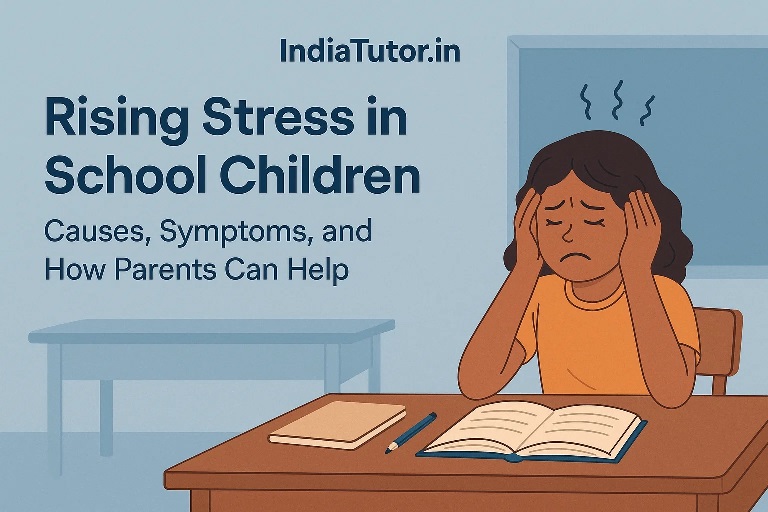
Childhood is often viewed as a carefree phase of life. However, for many students today, school years are becoming increasingly stressful. Academic expectations, packed schedules, social pressures, screen addiction, and concerns about the future are creating emotional challenges that many children struggle to express.
Parents, teachers, and caregivers are noticing changes in children’s behavior, concentration, sleep patterns, and overall happiness. Understanding the causes of stress in school children and learning how to provide the right support can make a significant difference in a child’s well-being and academic success.
Gaming vs. Studies – How to Bring Back the Balance?
Why Is Stress Increasing Among School Children?
Stress is a natural response to challenges. A small amount of pressure can motivate students to perform better. Problems arise when stress becomes frequent, intense, or long-lasting.
Recent studies highlight the growing concern. Research involving Indian high school students found that nearly 63.5% experienced stress related to academic pressure, while about 66% reported feeling pressure from parents to achieve better academic results. Additionally, 81.6% reported examination-related anxiety.
Another school-based study involving more than 1,400 students reported high levels of academic stress among 74% of participants.
These numbers suggest that stress is no longer limited to a small group of students. It has become a widespread challenge affecting children across age groups and academic levels.
How Much Screen Time Is Too Much for Kids? Expert Guidelines for Parents
Common Causes of Stress in School Children
Academic Pressure
Many students feel constant pressure to achieve high grades, perform well in examinations, complete assignments, and stay ahead of their peers. Competitive entrance exams and increasing expectations often add to this burden.
Research among Indian adolescents identified academic pressure as one of the most common sources of stress regardless of age or gender.
Fear of Failure
Children often worry about disappointing parents, teachers, or themselves. Even capable students may develop anxiety when they believe that mistakes are unacceptable.
Overscheduled Routines
Many children spend long hours at school followed by homework, tuition classes, extracurricular activities, and test preparation. Limited free time can lead to exhaustion and emotional fatigue.
Social and Peer Pressure
Friendships, social acceptance, bullying, comparison with classmates, and online interactions can create significant emotional strain.
Screen Time and Digital Influence
Mobile phones, gaming, social media, and constant digital engagement can affect sleep quality, attention span, and emotional health. A nationwide study found that 74% of CBSE students spend more than two hours daily on screens for non-academic purposes.
Family Expectations
Parents naturally want the best for their children. However, excessive focus on marks, rankings, and career outcomes can unintentionally increase stress levels.
How to Help Your Child Balance School, Homework, and Hobbies
Signs and Symptoms of Stress in Children
Stress does not always appear in obvious ways. Many children may not openly communicate their struggles.
Emotional Symptoms
Increased Irritability
A child may become easily frustrated, angry, or upset over small issues.
Frequent Worry
Constant concerns about exams, homework, friendships, or future goals can indicate underlying stress.
Loss of Confidence
Students under pressure may begin doubting their abilities even when they are performing reasonably well.
Physical Symptoms
Headaches and Stomach Problems
Recurring physical complaints without a clear medical reason can sometimes be linked to emotional stress.
Sleep Disturbances
Difficulty falling asleep, frequent waking, or poor-quality sleep are common warning signs.
Fatigue
Children experiencing stress often appear tired despite getting adequate rest.
Behavioral Symptoms
Reduced Interest in Activities
A child may stop enjoying hobbies, sports, or activities that were previously exciting.
Difficulty Concentrating
Stress can affect focus, memory, and classroom performance.
Social Withdrawal
Some children isolate themselves from friends and family when they feel overwhelmed.
Academic Symptoms
Falling Grades
Sudden changes in academic performance may indicate emotional difficulties rather than lack of ability.
Avoidance of Schoolwork
Procrastination, incomplete assignments, or reluctance to attend school can be signs of excessive pressure.
10 Proven Tips to Improve Concentration and Reduce Stress in Students
How Stress Affects Learning and Development
Long-term stress can impact much more than exam performance.
Children experiencing persistent stress may struggle with concentration, problem-solving, creativity, decision-making, and emotional regulation. Studies also suggest that supportive family relationships play an important role in reducing mental health challenges among school children.
When stress remains unaddressed, it can affect confidence, motivation, relationships, and overall development.
How Parents Can Help a Stressed Child
Create an Open Environment
Children should feel comfortable discussing their worries without fear of criticism or punishment.
Simple questions such as “How was your day?” or “What was the best and most difficult part of today?” can encourage meaningful conversations.
Focus on Effort Rather Than Marks
Praise hard work, consistency, improvement, and learning rather than only academic results.
Children who feel valued for their efforts often develop healthier attitudes toward learning.
Set Realistic Expectations
Every child has unique strengths, interests, and learning styles. Comparing children with siblings, relatives, or classmates can increase anxiety.
Encourage Healthy Routines
A balanced schedule should include:
-
- Adequate sleep
- Physical activity
- Nutritious meals
- Relaxation time
- Family interaction
- Recreational activities
Limit Excessive Screen Exposure
Encouraging offline hobbies, reading, outdoor activities, and family engagement can help reduce stress and improve emotional well-being.
Teach Problem-Solving Skills
Instead of immediately fixing every challenge, help children think through possible solutions. This builds resilience and confidence.
Watch for Warning Signs
If stress becomes severe, persistent, or begins affecting daily life, professional guidance from counselors, psychologists, or mental health professionals may be beneficial.
The Role of Sleep and Nutrition in Boosting Kids’ Focus
The Role of Teachers and Tutors
Teachers and tutors often spend significant time with students and can identify difficulties that parents may not immediately notice.
A supportive educator can:
-
- Clarify difficult concepts
- Reduce academic frustration
- Improve confidence
- Develop effective study habits
- Provide personalized guidance
- Create a positive learning environment
Many students experience stress because they fall behind in one or two subjects and gradually lose confidence. Individual attention and structured academic support can help break this cycle before it becomes overwhelming.
Building Emotionally Strong and Confident Children
Success in education is important, but emotional well-being is equally valuable. Children perform their best when they feel supported, understood, and secure.
Parents do not need to eliminate every challenge from a child’s life. Instead, the goal should be to help children develop the skills, confidence, and resilience needed to handle challenges effectively.
By recognizing stress early, maintaining open communication, and providing balanced support, families can help children enjoy healthier, happier, and more successful school years.
Looking for experienced tutors who can provide personalized academic support and reduce learning-related stress? Visit IndiaTutor.in to connect directly with qualified tutors across subjects and classes.
Tutors can also register on IndiaTutor.in to showcase their expertise, reach students across India and worldwide, and receive direct enquiries without paying commissions.
Register your Tutor Profile on IndiaTutor.in
About the Author
Nidhi Mehta is the founder of IndiaTutor.in and a professional online educator with over 11 years of teaching experience. She specializes in tutoring Classes 1 to 6 across core academic subjects, with a strong focus on concept clarity and foundational skill-building. Her teaching approach is based on personalized, one-to-one learning that helps students develop long-term academic confidence and understanding.
Visit her profile Visit About Us Page
Share your Feedback or Review – Contact Us
Tutors, Register your Tutor profile
Career Tutors, Get Personalized Tutor Branding Services
Do you Own a Tuition Center? List it here
Are you a Parent or Student? Share your Tutor Requirement


