
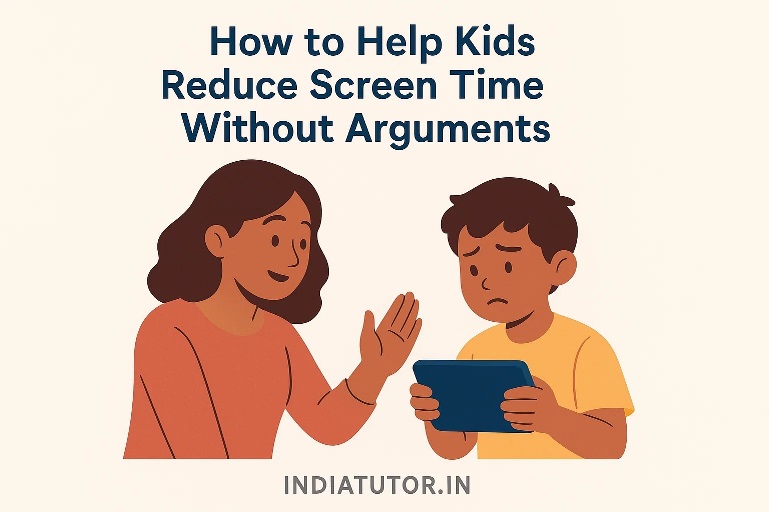
In today’s digital world, screens are everywhere. Smartphones, tablets, laptops, televisions, and gaming devices have become a regular part of daily life. While technology offers educational and entertainment benefits, many parents struggle with one common challenge: how to reduce screen time without turning every conversation into an argument.
If asking your child to put away a device often leads to complaints, negotiations, or frustration, you are not alone. The good news is that reducing screen use does not have to involve strict punishments or constant conflict. Small changes, clear expectations, and positive alternatives can make a significant difference.
How Much Screen Time Is Too Much for Kids? Expert Guidelines for Parents
Why Screen Time Has Become a Concern
Children today spend more time on digital devices than ever before. Research shows that children aged 8–10 spend an average of around 6 hours per day on screens, while teenagers often exceed 8 hours daily. Excessive screen exposure has been linked to reduced physical activity, sleep difficulties, lower academic performance, and attention-related challenges.
A recent review of Indian children under five years old found an average daily screen time of approximately 2.2 hours, which exceeds recommended limits for that age group.
The goal is not to eliminate technology completely. Instead, parents should focus on creating a healthy balance between online and offline activities.
How Excessive Screen Time Affects Your Child’s Mind and Body
Understanding Why Children Resist
Before introducing new rules, it helps to understand why children push back.
Screens provide instant entertainment, rewards, and stimulation. Games, videos, and social media are designed to capture attention. When children are suddenly asked to stop, they may feel disappointed or frustrated.
Instead of viewing resistance as disobedience, consider it a natural reaction to losing access to something enjoyable. This shift in perspective can help parents respond calmly and effectively.
Why Your Child Needs More Outdoor Playtime and Less Screen Time
Set Expectations Before Problems Begin
One of the biggest mistakes parents make is introducing limits only when they become frustrated.
Create Clear Family Rules
Children respond better when expectations are predictable.
Examples include:
-
- No devices during meals.
- Homework before recreational screen use.
- No screens one hour before bedtime.
- Screen-free family time in the evening.
When rules are established in advance, children are less likely to see them as sudden punishments. Experts consistently recommend creating structured boundaries around device use.
How to Help Your Child Balance School, Homework, and Hobbies
Replace, Don’t Just Remove
Many screen-time battles occur because parents take something away without offering an alternative.
Make Offline Activities Easy and Attractive
Children need engaging options that compete with digital entertainment.
Consider:
-
- Board games
- Arts and crafts
- Sports and outdoor play
- Reading challenges
- Music lessons
- Building projects
- Cooking activities
When interesting alternatives are readily available, children naturally spend less time on devices.
Encourage Skill-Based Hobbies
Activities that create a sense of achievement often hold attention longer.
Examples include:
-
- Drawing
- Chess
- Coding
- Dance
- Photography
- Creative writing
- Learning a musical instrument
These hobbies help children develop confidence while reducing dependence on screens.
Gaming vs. Studies – How to Bring Back the Balance?
Use a Gradual Reduction Strategy
Sudden restrictions often trigger resistance.
Reduce Usage Step by Step
Instead of cutting screen time dramatically overnight, make gradual adjustments.
For example:
-
- Week 1: Reduce by 15 minutes daily.
- Week 2: Reduce by another 15 minutes.
- Week 3: Introduce additional screen-free activities.
Small changes feel less threatening and are easier for children to accept.
The Rise of Couch Potato Kids – How to Get Them Active Again
Become a Role Model
Children notice what parents do more than what parents say.
If adults frequently check phones during meals, conversations, or family activities, children receive mixed messages.
Create Family Screen-Free Moments
Consider introducing:
-
- Device-free dinners
- Family walks
- Weekend outings
- Reading time together
Research and parenting experts consistently highlight parental behavior as one of the strongest influences on children’s digital habits.
Avoid Using Screens as a Reward
Many families accidentally increase screen appeal by using it as a prize.
Statements such as:
-
- “Finish your homework and you can use the tablet.”
- “Behave properly and you can watch videos.”
can make screen time seem more valuable than other activities.
Instead, reward children with experiences such as:
-
- Extra playtime
- Family outings
- Special activities
- Choosing a weekend game
Create Screen-Free Zones
Certain areas of the home should encourage conversation, relaxation, and family interaction.
Bedrooms
Keeping devices out of bedrooms can improve sleep quality and reduce late-night usage. Studies have shown that excessive screen exposure, especially before bedtime, can interfere with healthy sleep patterns.
Dining Areas
Meals provide valuable opportunities for family discussions and relationship building.
A simple rule such as “No phones at the table” can strengthen communication and reduce unnecessary device use.
Focus on Content Quality
Not all screen time is equal.
Ask Better Questions
Instead of only asking:
“How long were you online?”
Ask:
-
- What did you learn today?
- What game are you playing?
- What video did you watch?
- What did you enjoy about it?
Research suggests that the quality and context of screen use matter significantly alongside total screen time. Educational and interactive content is generally more beneficial than passive scrolling.
Involve Children in Decision-Making
Children are more likely to cooperate when they feel heard.
Create a Family Technology Agreement
Discuss:
-
- Daily limits
- Homework priorities
- Bedtime rules
- Weekend allowances
Allow children to contribute ideas and suggestions.
When rules are developed together, they often face less resistance.
Use Tutors and Structured Learning Activities
One reason children spend excessive time on screens is boredom.
Academic enrichment can provide a productive alternative.
How a Tutor Can Help
A qualified tutor can:
-
- Build confidence in challenging subjects
- Create a structured after-school routine
- Encourage productive learning habits
- Reduce unproductive device use
- Improve academic performance
For many families, personalized guidance gives children a meaningful way to spend time while supporting educational growth.
Common Mistakes Parents Should Avoid
Constant Negotiation
Repeatedly debating limits weakens consistency.
Unrealistic Rules
Extremely strict restrictions are difficult to maintain.
Using Devices as Babysitters
Occasional use is understandable, but relying heavily on screens can make reduction efforts more difficult later.
Focusing Only on Restrictions
Children respond better when families create positive alternatives instead of simply removing devices.
The Real Goal Is Balance
Technology is an important part of modern life. Children need digital skills for education, communication, and future careers. The objective is not to eliminate screens but to help children develop healthy habits.
A balanced routine includes learning, physical activity, family interaction, hobbies, adequate sleep, and responsible technology use. When parents focus on consistency, communication, and positive alternatives, screen-time battles often become far less frequent.
Children are more likely to embrace healthy habits when they feel supported rather than controlled.
Looking for academic support and productive learning opportunities for your child? Explore experienced tutors across subjects and classes on IndiaTutor.in.
Are you a tutor? Register on IndiaTutor.in to showcase your expertise, connect directly with students and parents, and grow your tutoring career without paying commissions.
Register your Tutor Profile on IndiaTutor.in
About the Author
Nidhi Mehta is the founder of IndiaTutor.in and a professional online educator with over 11 years of teaching experience. She specializes in tutoring Classes 1 to 6 across core academic subjects, with a strong focus on concept clarity and foundational skill-building. Her teaching approach is based on personalized, one-to-one learning that helps students develop long-term academic confidence and understanding.
Visit her profile Visit About Us Page
Share your Feedback or Review – Contact Us
Tutors, Register your Tutor profile
Career Tutors, Get Personalized Tutor Branding Services
Do you Own a Tuition Center? List it here
Are you a Parent or Student? Share your Tutor Requirement


