
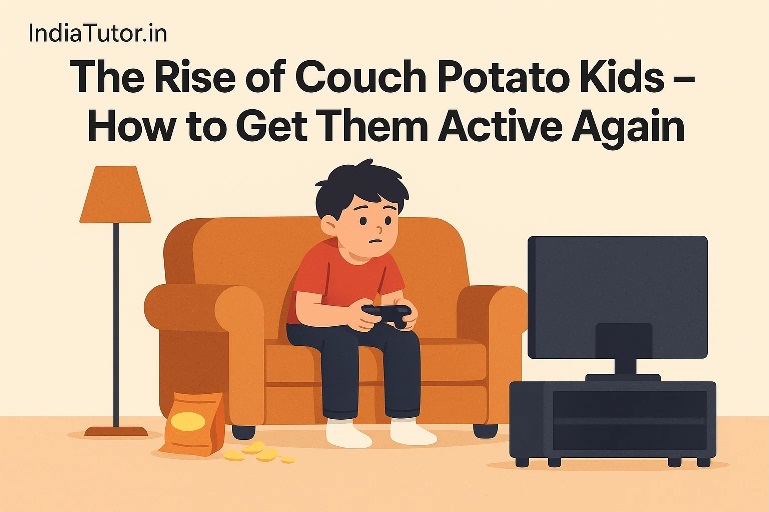
Children today have access to more technology than any previous generation. Smartphones, tablets, gaming consoles, streaming platforms, and social media have transformed how young people spend their free time. While technology offers many benefits, it has also contributed to a growing concern among parents, teachers, and health experts: the rise of sedentary lifestyles among children.
Many youngsters now spend hours sitting indoors, often choosing screens over sports, outdoor play, or physical recreation. As a result, parents are increasingly searching for practical ways to encourage healthier habits and restore balance in their children’s daily routines.
How Excessive Screen Time Affects Your Child’s Mind and Body
What Is a Couch Potato Kid?
A “couch potato kid” is a child who spends most of their leisure time engaged in inactive activities such as watching videos, scrolling on mobile devices, playing video games, or using computers for extended periods.
Physical movement becomes limited, and opportunities for exercise, outdoor exploration, and social interaction often decrease. Over time, this pattern can affect a child’s overall development.
Why Are Children Becoming Less Active?
Several factors have contributed to this shift in behavior.
Increased Screen Exposure
Digital entertainment is available around the clock. Many children can instantly access games, videos, and social platforms from multiple devices within the home.
Research shows that excessive screen use often replaces time that could otherwise be spent playing, exercising, or interacting with friends.
Academic Pressure
Students frequently spend long hours attending classes, completing homework, preparing for examinations, and participating in additional coaching sessions. By the end of the day, many prefer passive activities that require little effort.
Limited Outdoor Spaces
Urbanization has reduced access to safe playgrounds and open areas in many neighborhoods. Concerns about traffic, safety, and pollution may also discourage outdoor activities.
Changing Family Routines
Busy schedules often leave limited time for family walks, sports, or recreational outings. As a result, screens become an easy option for entertainment and convenience.
Why Your Child Needs More Outdoor Playtime and Less Screen Time
The Numbers Parents Should Know
The scale of physical inactivity among young people is significant.
According to the World Health Organization, around 80% of adolescents worldwide do not achieve recommended levels of physical activity. Physical inactivity has become one of the leading risk factors affecting long-term health.
WHO also notes that sedentary behavior is increasing globally because of greater reliance on screens for education, recreation, and everyday activities.
Studies have linked excessive screen exposure with reduced physical activity, poorer sleep quality, attention difficulties, and other developmental concerns in children.
How Much Screen Time Is Too Much for Kids? Expert Guidelines for Parents
How Inactivity Affects Child Development
Physical activity is not just about fitness. It plays an important role in many areas of growth.
Physical Health
Regular movement helps strengthen bones and muscles, supports healthy growth, improves cardiovascular fitness, and assists with maintaining a healthy body weight.
When activity levels decline, children may become more vulnerable to lifestyle-related health problems later in life.
Mental Well-Being
Exercise contributes positively to mood, confidence, emotional regulation, and overall psychological health. Children who move regularly often report feeling more energetic and motivated.
Academic Performance
Active children frequently demonstrate better concentration, memory, and cognitive function. Research has found that healthy balances between physical activity, sleep, and screen time are associated with improved learning outcomes.
Social Development
Outdoor games, team sports, and group activities help youngsters learn communication, cooperation, leadership, and problem-solving skills.
How Online Games Affect Your Child’s Brain and Behavior
Signs Your Child May Need More Physical Activity
Parents should pay attention to patterns that may indicate excessive inactivity.
Common Warning Signs
Preference for Screens Over Play
A child consistently chooses devices over outdoor activities or social interaction.
Reduced Energy Levels
Frequent complaints of tiredness despite adequate sleep.
Difficulty Focusing
Poor concentration during studies or daily tasks.
Avoidance of Physical Activities
Reluctance to participate in sports, games, or recreational programs.
Weight and Fitness Concerns
Noticeable decline in stamina, endurance, or overall fitness.
How Web Series and OTT Platforms Are Impacting Your Child’s Mind
Practical Ways to Get Children Moving Again
The good news is that small changes can create lasting results.
Make Activity Fun Rather Than Mandatory
Children respond better when movement feels enjoyable instead of being treated as a punishment or obligation.
Consider activities such as:
-
- Cycling
- Dancing
- Swimming
- Skating
- Badminton
- Football
- Cricket
- Nature walks
Allowing children to choose their preferred activity often increases participation.
Create Daily Movement Goals
Health experts recommend regular physical activity for school-age children. Even simple routines such as evening walks, active games, or family sports sessions can make a meaningful difference.
Introduce Screen-Free Time
Establish periods during the day when devices are put away.
Effective Screen-Free Zones
-
- Dining table
- Family gatherings
- Outdoor outings
- One hour before bedtime
Experts recommend focusing on balance rather than completely eliminating technology.
Encourage Outdoor Play
Outdoor environments stimulate curiosity, creativity, and physical development.
Even 30 minutes outside each day can provide valuable benefits for both children and parents.
Lead by Example
Children often imitate adult behavior.
When parents participate in walks, sports, fitness activities, or recreational hobbies, youngsters are more likely to follow.
Enroll Children in Structured Activities
Sports academies, dance programs, martial arts classes, and recreational clubs provide regular opportunities for movement while helping children build confidence and friendships.
How to Help Kids Reduce Screen Time Without Arguments
The Role of Tutors in Promoting Active Lifestyles
Academic success and physical well-being should work together, not compete with one another.
Experienced tutors can encourage balanced schedules by:
-
- Promoting effective time management
- Reducing study-related stress
- Incorporating short movement breaks during lessons
- Encouraging healthy routines
- Supporting student confidence and motivation
Parents increasingly appreciate educators who understand the importance of holistic child development alongside academic achievement.
Building Healthy Habits for the Future
Children do not need to become professional athletes to enjoy the benefits of an active lifestyle. Small, consistent actions often have the greatest impact.
A family walk after dinner, weekend cycling sessions, outdoor games with friends, or participation in sports can gradually replace excessive sitting and screen dependence.
The goal is not to eliminate technology but to create a healthier balance that supports physical health, emotional well-being, academic progress, and social development.
By taking proactive steps today, parents can help children develop habits that benefit them throughout life.
Looking for experienced tutors who understand both academic excellence and student well-being? Register on IndiaTutor.in to connect directly with qualified tutors across subjects and classes.
Tutors can also create a profile on IndiaTutor.in to reach students worldwide, receive direct enquiries, and grow their teaching practice without commission deductions.
About the Author
Nidhi Mehta is the founder of IndiaTutor.in and a professional online educator with over 11 years of teaching experience. She specializes in tutoring Classes 1 to 6 across core academic subjects, with a strong focus on concept clarity and foundational skill-building. Her teaching approach is based on personalized, one-to-one learning that helps students develop long-term academic confidence and understanding.
Visit her profile Visit About Us Page
Share your Feedback or Review – Contact Us
Tutors, Register your Tutor profile
Career Tutors, Get Personalized Tutor Branding Services
Do you Own a Tuition Center? List it here
Are you a Parent or Student? Share your Tutor Requirement


