Video games have become a regular part of childhood and teenage life. From mobile games and online multiplayer battles to strategy and simulation titles, gaming is now one of the most popular forms of entertainment among students.
For many parents, however, a common concern remains: “How much gaming is too much?” When study hours decrease, homework gets delayed, and exam scores begin to slip, the struggle between gaming and academics often becomes a source of tension at home.
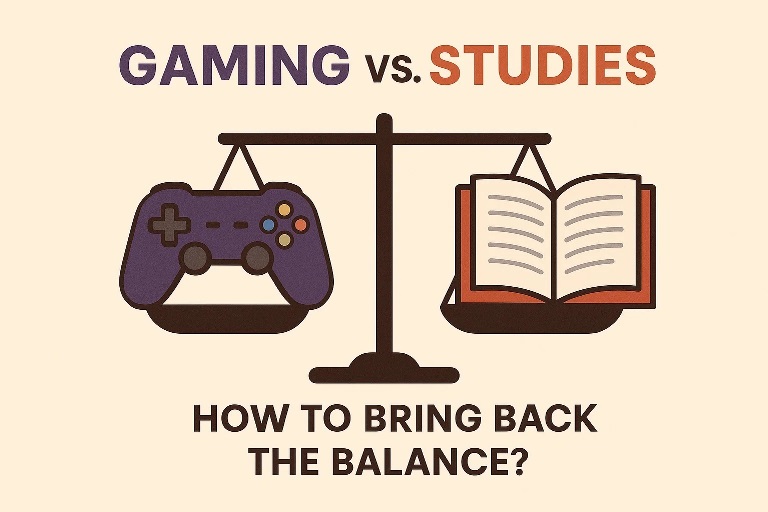
The good news is that gaming and studies do not have to be enemies. The real goal is balance. With the right approach, students can enjoy games while staying focused on learning and academic success.
How Online Games Affect Your Child’s Brain and Behavior
Why Gaming Appeals So Much to Students
Games are designed to be engaging. They provide instant feedback, rewards, achievements, challenges, and social interaction. Unlike school assignments that may take days or weeks to show results, games often offer immediate satisfaction.
Many games also encourage:
-
- Strategic thinking
- Problem-solving
- Teamwork
- Decision-making
- Hand-eye coordination
Research suggests that moderate gaming may support certain cognitive skills and logical reasoning abilities. Some studies have even found improvements in attention and problem-solving among students who play appropriate games in moderation.
The challenge arises when gaming starts replacing essential activities such as studying, sleeping, exercising, and spending time with family.
How to Help Your Child Balance School, Homework, and Hobbies
When Gaming Starts Affecting Academic Performance
Gaming becomes a concern when it begins to interfere with a student’s responsibilities and daily routine.
Common Warning Signs
Parents should watch for:
-
- Declining grades
- Incomplete homework
- Reduced concentration during lessons
- Late-night gaming sessions
- Irritability when asked to stop playing
- Loss of interest in other activities
- Poor sleep habits
A large systematic review of academic performance found that video game playing was associated with lower academic outcomes among many children and adolescents, particularly when gaming became excessive.
This does not mean gaming automatically harms learning. The impact often depends on duration, timing, and self-control.
How Much Screen Time Is Too Much for Kids? Expert Guidelines for Parents
The Hidden Cost of Excessive Gaming
Many students believe they can study later after “just one more game.” Unfortunately, gaming sessions often last much longer than planned.
Reduced Study Time
Every hour spent gaming is an hour unavailable for:
-
- Revision
- Practice exercises
- Reading
- Project work
Over weeks and months, these missed study opportunities can create learning gaps that become difficult to close.
Sleep Disruption
Sleep plays a critical role in memory formation and learning.
Studies have shown that excessive screen use, especially interactive activities such as gaming, can delay sleep and reduce sleep quality. Poor sleep often leads to lower concentration, weaker retention, and reduced classroom performance.
Difficulty Maintaining Focus
Fast-paced games constantly stimulate the brain. After long gaming sessions, some students find it difficult to switch into slower, focused academic tasks such as reading textbooks or solving mathematics problems.
Research involving hundreds of thousands of children has linked excessive screen exposure with increased emotional and behavioural difficulties.
How Excessive Screen Time Affects Your Child’s Mind and Body
The Numbers Parents Should Know
Gaming has become increasingly common among young people worldwide.
One study involving over 12,000 children and adolescents found that the percentage of students playing video games for three or more hours daily increased significantly over time. Among boys, the figure rose from 16.6% to 25.8%, while among girls it increased from 3.6% to 20.8%.
A recent meta-analysis covering more than 641,000 adolescents highlighted growing concerns about gaming disorder, which is officially recognized by the World Health Organization as a behavioural condition.
These findings do not suggest that all gaming is harmful. They simply highlight the importance of healthy limits and supervision.
How to Help Kids Reduce Screen Time Without Arguments
How Parents Can Bring Back the Balance
Set Clear Daily Limits
Children perform better when expectations are consistent.
Consider creating rules such as:
-
- Homework before gaming
- No gaming during study hours
- Fixed gaming duration on school days
- Slightly extended recreational time during weekends
Consistency matters more than strictness.
Focus on Routine Instead of Punishment
Banning games completely often creates resistance.
A structured schedule usually works better:
| Activity | Suggested Priority |
|---|---|
| School Work | First |
| Revision | Second |
| Physical Activity | Third |
| Gaming | After responsibilities are completed |
Students are more likely to follow routines they helped create.
Keep Devices Out of Bedrooms at Night
Late-night gaming is one of the biggest causes of sleep disruption.
Charging devices outside the bedroom can help students maintain healthier sleeping patterns and improve next-day concentration.
Encourage Other Interests
Students need activities beyond screens.
Examples include:
-
- Sports
- Music
- Reading
- Art
- Outdoor activities
- Hobby clubs
A diverse routine naturally reduces dependence on gaming for entertainment.
Why Your Child Needs More Outdoor Playtime and Less Screen Time
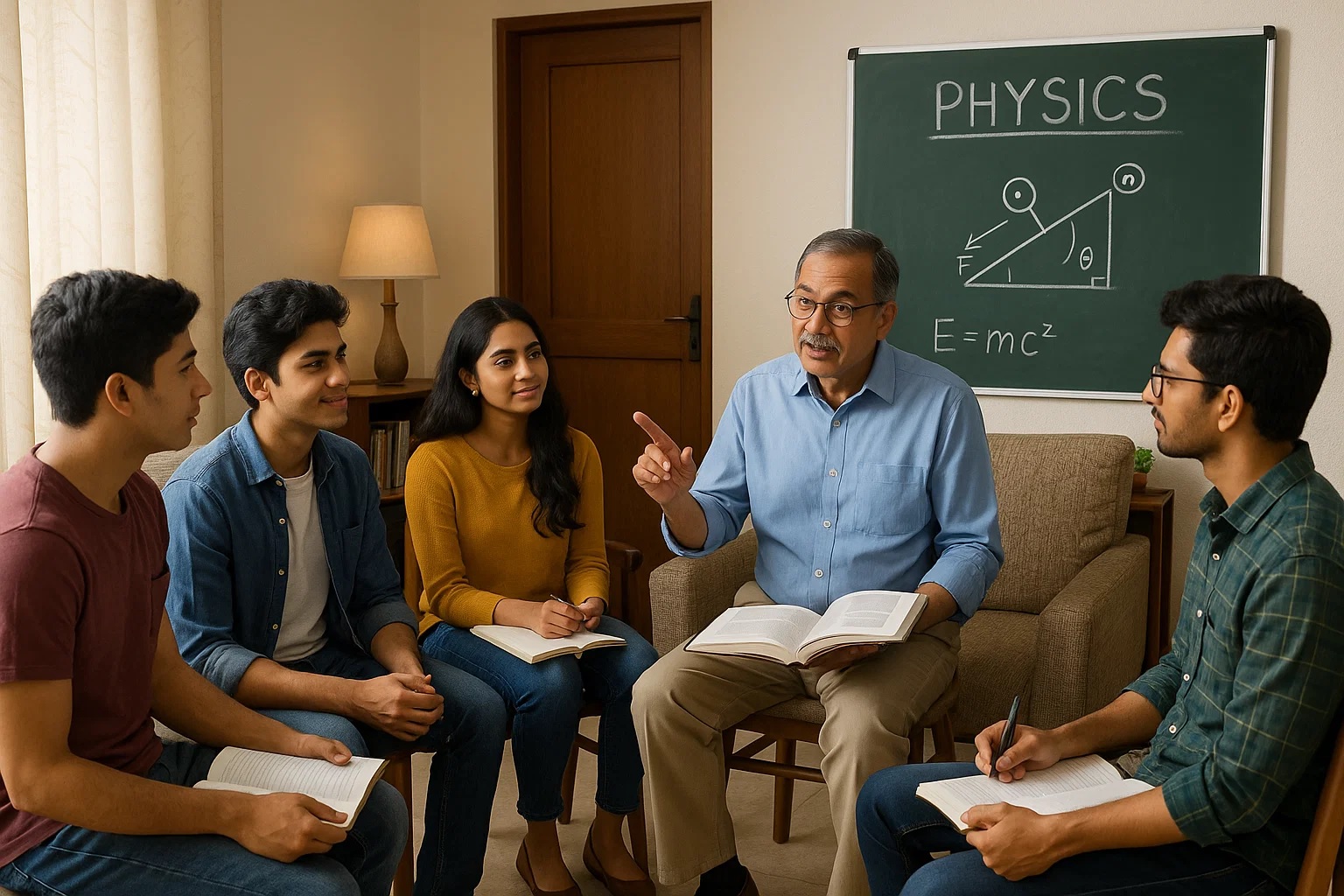
How Tutors Can Help
Sometimes the issue is not gaming itself.
Many students turn to games because they feel overwhelmed by schoolwork, struggle with specific subjects, or lack confidence in the classroom.
Identifying Learning Gaps
An experienced tutor can identify:
-
- Weak concepts
- Missing fundamentals
- Poor study habits
- Exam preparation issues
When students begin understanding subjects better, academic confidence often improves.
Making Learning More Engaging
Good tutors use:
-
- Interactive teaching methods
- Real-world examples
- Practice-based learning
- Goal-oriented study plans
Students who enjoy learning are less likely to avoid studies through excessive gaming.
Creating Accountability
Regular tuition sessions create structure and discipline.
Knowing that someone is monitoring progress encourages students to stay consistent with their academic goals.
The Rise of Couch Potato Kids – How to Get Them Active Again
Helping Students Develop Self-Control
The ultimate objective is not simply reducing gaming hours. It is teaching students how to manage their own time responsibly.
Encourage Goal-Based Rewards
For example:
-
- Complete a chapter → 30 minutes of gaming
- Finish assignments → gaming time earned
- Achieve weekly targets → additional recreation time
This approach connects responsibility with rewards.
Teach Time Management Early
Students who learn planning skills tend to perform better academically and manage leisure activities more effectively.
Simple tools such as study planners, calendars, and daily task lists can make a significant difference.
My Thoughts
Gaming is not the enemy of education. In moderation, it can be an enjoyable recreational activity and may even support certain cognitive skills. The real challenge arises when gaming begins replacing study time, sleep, physical activity, and healthy routines.
Parents should focus on balance rather than prohibition. Clear expectations, consistent schedules, supportive guidance, and academic assistance when needed can help students enjoy gaming while continuing to thrive in school.
Looking for experienced tutors who can help students stay motivated, improve academic performance, and build effective study habits? Register on IndiaTutor.in to connect directly with qualified tutors across subjects and classes.
Tutors can also create their profiles on IndiaTutor.in to reach students and parents searching for trusted academic support without paying commissions.
Register your Tutor Profile on IndiaTutor.in
About the Author
Nidhi Mehta is the founder of IndiaTutor.in and a professional online educator with over 11 years of teaching experience. She specializes in tutoring Classes 1 to 6 across core academic subjects, with a strong focus on concept clarity and foundational skill-building. Her teaching approach is based on personalized, one-to-one learning that helps students develop long-term academic confidence and understanding.
Visit her profile Visit About Us Page
Share your Feedback or Review – Contact Us
Tutors, Register your Tutor profile
Career Tutors, Get Personalized Tutor Branding Services
Do you Own a Tuition Center? List it here
Are you a Parent or Student? Share your Tutor Requirement


