
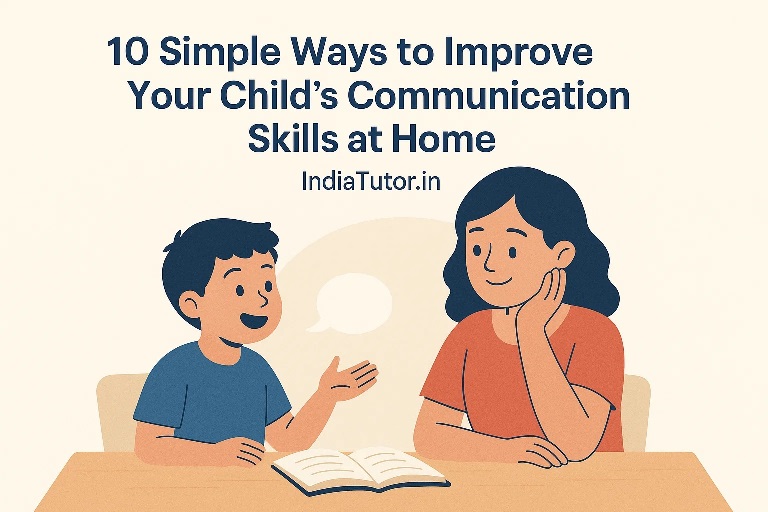
10 Simple Ways to Improve Your Child’s Communication Skills at Home

10 Simple Ways to Improve Your Child’s Communication Skills at Home

Communication is one of the most important life skills a child can develop. It affects academic performance, friendships, confidence, future career opportunities, and overall personality development. Children who communicate clearly often find it easier to express ideas, ask questions, participate in discussions, and build healthy relationships.

According to research published by the Organisation for Economic Co-operation and Development (OECD), strong communication and social skills contribute significantly to academic success and future employability. In today’s increasingly connected world, the ability to communicate effectively is becoming just as valuable as subject knowledge.

The good news is that parents do not need expensive programs or specialized training to help their children become better communicators. Small daily habits at home can make a meaningful difference.

Why Learning English Early Helps Kids in Global Opportunities

Why Communication Skills Matter for Children

Communication is much more than speaking. It includes listening, understanding, expressing thoughts, reading body language, asking questions, and responding appropriately in different situations.

Children with strong communication abilities often:

      • Participate more actively in class
      • Build friendships more easily
      • Develop greater self-confidence
      • Perform better during interviews and presentations
      • Resolve conflicts effectively
      • Become better problem-solvers

Developing these abilities early creates a strong foundation for future success.

1. Encourage Meaningful Conversations Every Day

One of the simplest ways to improve communication is to talk regularly with your child.

Instead of asking questions that can be answered with a simple “yes” or “no,” encourage detailed responses.

Examples of Better Questions

      • What was the most interesting thing you learned today?
      • Which activity did you enjoy the most and why?
      • If you could change one thing about your day, what would it be?

Open-ended discussions help children organize thoughts and express ideas more clearly.

2. Become a Good Listener

Children learn communication by observing adults.

When your child speaks, give full attention. Maintain eye contact, avoid interruptions, and respond thoughtfully.

Why Listening Matters

When children feel heard, they become more willing to share their thoughts and emotions. This strengthens vocabulary, confidence, and speaking ability.

A supportive environment encourages children to communicate without fear of criticism.

3. Read Together Regularly

Reading is one of the most effective ways to improve language development.

Studies have shown that children who are regularly read to are exposed to thousands of additional words each year compared to children who are not.

How Reading Helps

    • Expands vocabulary
    • Improves sentence structure
    • Develops comprehension skills
    • Encourages imagination
    • Enhances speaking confidence

After reading, ask your child to summarize the story in their own words. This practice strengthens both understanding and expression.

4. Introduce Storytelling Activities

Storytelling develops creativity and verbal fluency.

Ask your child to create stories using simple prompts, pictures, or everyday situations.

Easy Storytelling Ideas

Picture-Based Stories

Show an image and ask your child to describe what might be happening.

Finish the Story

Begin a story and encourage your child to complete it.

Family Story Time

Share childhood experiences and invite children to tell their own stories.

These activities help children organize thoughts logically and communicate more effectively.

5. Reduce Excessive Screen Time

Digital devices have become part of everyday life, but excessive screen exposure can reduce opportunities for real conversations.

Research suggests that meaningful face-to-face interaction plays a critical role in language development, especially during childhood.

Create Conversation Opportunities

    • Family meals without devices
    • Evening discussions
    • Weekend activities together
    • Shared hobbies and projects

Replacing some screen time with interaction helps children practice speaking and listening naturally.

6. Encourage Public Speaking at Home

Many children feel nervous when speaking in front of others.

Regular practice at home can gradually build confidence.

Simple Activities

Mini Presentations

Ask your child to speak for two minutes about a favorite book, hobby, or sports activity.

Show and Tell

Let them explain an object and answer questions about it.

Family Discussions

Encourage participation during family conversations.

Frequent practice helps children become more comfortable expressing themselves.

7. Teach New Words Naturally

A rich vocabulary allows children to communicate ideas more effectively.

Instead of memorization, introduce new words during everyday conversations.

Practical Example

If your child says something is “good,” you can introduce alternatives such as:

      • Excellent
      • Impressive
      • Outstanding
      • Wonderful

Learning words in context makes them easier to remember and use correctly.

8. Encourage Group Activities

Communication improves when children interact with others.

Group activities provide opportunities to express opinions, listen carefully, and work collaboratively.

Useful Activities

    • Debate clubs
    • Drama classes
    • Sports teams
    • Community events
    • Group projects

These experiences expose children to different communication styles and social situations.

9. Help Children Express Feelings Clearly

Many children struggle to describe emotions accurately.

Teaching emotional vocabulary can improve both communication and emotional intelligence.

Encourage Statements Such As

    • I feel disappointed because…
    • I am excited about…
    • I am worried about…

Children who can express feelings clearly often experience fewer misunderstandings and stronger relationships.

10. Lead by Example

Parents are a child’s first communication role models.

Children observe how adults speak, listen, respond, and interact with others.

Positive Habits to Demonstrate

    • Speaking respectfully
    • Listening patiently
    • Maintaining eye contact
    • Using polite language
    • Expressing thoughts clearly

Consistent modeling has a powerful influence on a child’s communication style.

How Strong Communication Skills Shape a Child’s Personality

Common Mistakes Parents Should Avoid

While trying to help children improve communication, some habits may unintentionally discourage them.

Avoid These Mistakes

Interrupting Frequently

Allow children to complete their thoughts before responding.

Correcting Every Minor Error

Too much correction can reduce confidence.

Comparing Them With Others

Every child develops communication skills at a different pace.

Speaking for Them Constantly

Give children opportunities to answer questions independently.

Creating a supportive atmosphere encourages continuous improvement.

The Role of Sleep and Nutrition in Boosting Kids’ Focus

When Should Parents Consider Additional Support?

Some children may need extra guidance to strengthen communication abilities.

Parents may consider additional support if a child:

      • Avoids speaking in social situations
      • Struggles to express thoughts clearly
      • Shows low confidence during conversations
      • Faces difficulty with presentations or classroom participation
      • Needs help improving language fluency

Personalized guidance can help children overcome challenges and build stronger communication habits.

10 Proven Tips to Improve Concentration and Reduce Stress in Students

My Thoughts

Strong communication skills help children succeed in school, relationships, and future careers. The most effective improvements often come from simple daily practices rather than complicated programs. Regular conversations, reading, storytelling, active listening, and positive encouragement can gradually transform the way children express themselves.

Every child has the potential to become a confident communicator when given the right environment and support.

Looking for experienced tutors who can help your child develop communication skills, language fluency, and academic confidence? Register on IndiaTutor.in and connect directly with qualified tutors across India for personalized online and home tuition support.

Register your Tutor Profile on IndiaTutor.in

About the Author

Nidhi Mehta is the founder of IndiaTutor.in and a professional online educator with over 11 years of teaching experience. She specializes in tutoring Classes 1 to 6 across core academic subjects, with a strong focus on concept clarity and foundational skill-building. Her teaching approach is based on personalized, one-to-one learning that helps students develop long-term academic confidence and understanding.
Visit her profile    Visit About Us Page

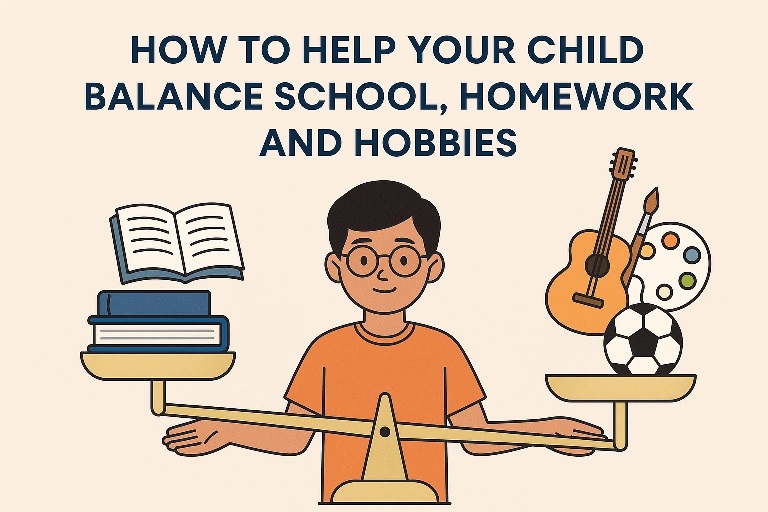
How to Help Your Child Balance School, Homework, and Hobbies

How to Help Your Child Balance School, Homework, and Hobbies

Many parents want their children to excel in academics while also enjoying activities that build confidence, creativity, and social skills. However, balancing school, homework, and hobbies can be challenging. Between classroom learning, assignments, exams, sports, music, and family time, children often feel overwhelmed.

A healthy balance is important because it helps students perform better in studies while also supporting their emotional and physical well-being. With the right approach, parents can help children stay organized, reduce stress, and enjoy a more fulfilling learning experience.

Rising Stress in School Children – Causes, Symptoms, and How Parents Can Help

Why Balance Matters for Children

Academic success is important, but children also need time to develop interests beyond textbooks. Research shows that participation in extracurricular activities can improve time management, teamwork, communication, and problem-solving skills. According to studies published by the United States Department of Education, students involved in structured extracurricular activities often demonstrate better academic performance and higher levels of school engagement.

When children spend all their time studying, they may experience burnout, fatigue, and a decline in motivation. On the other hand, excessive focus on hobbies without proper study habits can affect academic progress. The goal is to create a balanced routine that supports both learning and personal growth.

The Role of Sleep and Nutrition in Boosting Kids’ Focus

Common Challenges Faced by Families

Overloaded Schedules

Many students attend school for six to eight hours a day and then spend additional time completing homework, attending coaching classes, or preparing for exams. Adding sports, music lessons, or other activities can make schedules difficult to manage.

Lack of Time Management Skills

Children are still learning how to prioritize tasks. Without guidance, they may spend too much time on one activity and neglect others.

Digital Distractions

A report from the Organisation for Economic Co-operation and Development (OECD) found that excessive screen time can negatively affect academic performance and concentration. Smartphones, gaming, and social media often compete for a child’s attention.

Academic Pressure

Parents and students sometimes focus heavily on grades, leaving little room for recreation and relaxation. Continuous pressure can increase stress levels and reduce enthusiasm for learning.

10 Proven Tips to Improve Concentration and Reduce Stress in Students

Signs Your Child May Be Struggling with Balance

Academic Performance Is Declining

Missed assignments, lower grades, or difficulty concentrating may indicate that a child’s schedule has become overwhelming.

Constant Fatigue

Children need adequate sleep to learn effectively. The American Academy of Sleep Medicine recommends 9 to 12 hours of sleep for children aged 6 to 12 and 8 to 10 hours for teenagers.

Reduced Interest in Activities

A child who once enjoyed a hobby but suddenly loses interest may be experiencing stress or exhaustion.

Increased Irritability

Mood changes, frustration, or emotional outbursts can sometimes result from an overloaded routine.

Why Your Child Needs More Outdoor Playtime and Less Screen Time

How Parents Can Create a Healthy Balance

Establish a Daily Routine

A consistent schedule helps children understand when it is time to study, play, and rest. Allocate specific time blocks for schoolwork, hobbies, meals, and sleep.

A predictable routine reduces confusion and helps children develop self-discipline.

Prioritize Important Tasks

Teach children to identify urgent and important activities first. Homework, upcoming tests, and project deadlines should take priority before leisure activities.

Simple to-do lists can help students stay focused and organized.

Limit the Number of Activities

Children do not need to participate in every available program. One or two meaningful hobbies are often more beneficial than a packed schedule.

Allow children to choose activities they genuinely enjoy rather than forcing multiple commitments.

Encourage Quality Study Time

Long study hours do not always produce better results. Focused learning sessions are usually more effective than extended periods of distracted studying.

Many education experts recommend studying in short intervals with brief breaks in between to improve concentration and retention.

How Online Games Affect Your Child’s Brain and Behavior

The Role of Hobbies in Child Development

Building Confidence

Sports, music, dance, art, and other activities provide opportunities for children to achieve goals outside the classroom.

Success in these areas often boosts self-esteem and motivation.

Improving Social Skills

Group activities teach cooperation, communication, leadership, and conflict resolution.

These skills are valuable throughout a child’s academic journey and future career.

Supporting Mental Health

Recreational activities can reduce stress and help children maintain a positive outlook. They provide an outlet for self-expression and relaxation.

How Excessive Screen Time Affects Your Child’s Mind and Body

How Tutors Can Support a Balanced Lifestyle

Many parents worry that additional academic support may consume even more time. However, the right tutor can actually help students manage their workload more efficiently.

Personalized Learning

Private tutoring focuses on a student’s specific strengths and weaknesses, making study sessions more productive.

Better Understanding of Concepts

When children understand topics clearly, they spend less time struggling with homework and revision.

Improved Confidence

Students who receive targeted guidance often become more confident learners and approach schoolwork with less anxiety.

Efficient Exam Preparation

Experienced tutors can create structured study plans that help students prepare effectively without sacrificing hobbies and personal interests.

Why Your Child Struggles to Concentrate – 7 Common Reasons & Solutions

Practical Tips for Parents

Set Realistic Expectations

Every child has unique strengths and learning styles. Avoid comparing your child with others.

Protect Family Time

Shared meals and conversations help strengthen relationships and provide emotional support.

Encourage Independence

Allow children to take responsibility for their schedules and commitments as they grow older.

Monitor Stress Levels

Regularly ask children how they are feeling about school, homework, and activities. Open communication helps identify problems before they become serious.

10 Simple Ways to Improve Your Child’s Communication Skills at Home

Creating Long-Term Success

Balancing school, homework, and hobbies is not about filling every minute of the day. It is about helping children develop healthy habits, manage responsibilities, and enjoy opportunities for personal growth.

Children who learn to balance academics and interests often develop stronger organizational skills, greater confidence, and a healthier attitude toward learning. With support from parents, teachers, and tutors, students can achieve academic goals while still enjoying the activities that make childhood meaningful.

Looking for experienced tutors who can help your child learn effectively while maintaining a balanced lifestyle? Register on IndiaTutor.in to connect directly with qualified tutors for all classes and subjects.

Tutors can also join IndiaTutor.in to showcase their expertise, reach parents worldwide, and grow their online or home tuition opportunities.

Register your Tutor Profile on IndiaTutor.in

About the Author

Nidhi Mehta is the founder of IndiaTutor.in and a professional online educator with over 11 years of teaching experience. She specializes in tutoring Classes 1 to 6 across core academic subjects, with a strong focus on concept clarity and foundational skill-building. Her teaching approach is based on personalized, one-to-one learning that helps students develop long-term academic confidence and understanding.
Visit her profile    Visit About Us Page

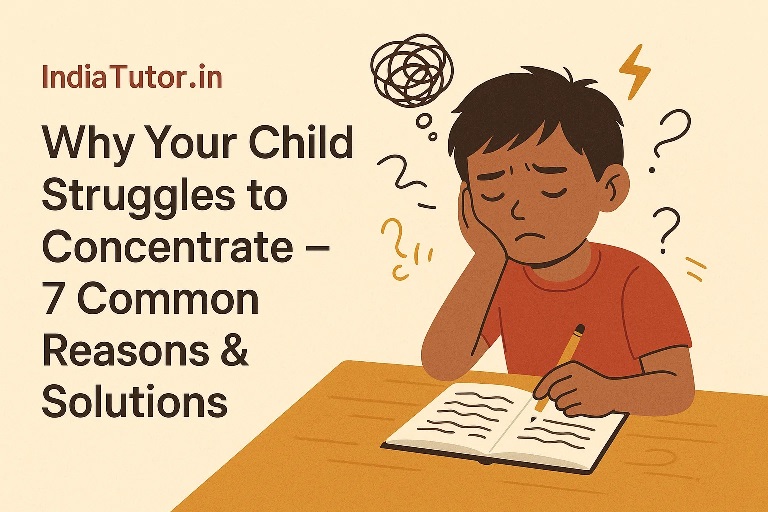
Why Your Child Struggles to Concentrate – 7 Common Reasons & Solutions

Why Your Child Struggles to Concentrate – 7 Common Reasons & Solutions

Many parents worry when their child seems distracted during studies. A student may spend hours sitting with books but retain very little information. Difficulty concentrating is one of the most common challenges faced by school-going children today.

Research suggests that attention and focus play a major role in academic success. According to studies published by educational and child development organizations, children who develop strong concentration skills tend to perform better in learning, problem-solving, and memory-based tasks.

The good news is that concentration problems often have identifiable causes. Once parents understand what is affecting their child’s focus, they can take practical steps to improve the situation.

10 Proven Tips to Improve Concentration and Reduce Stress in Students

Why Concentration Matters for Academic Success

Concentration allows students to absorb information, understand concepts, complete assignments, and perform effectively in examinations. When attention frequently shifts from one thing to another, learning becomes slower and more frustrating.

Children who struggle to focus may:

    • Take longer to complete homework
    • Forget instructions easily
    • Make careless mistakes
    • Lose interest in studies
    • Feel stressed before tests

Understanding the root cause is the first step toward improvement.

1. Excessive Screen Time

One of the biggest distractions for modern students is digital entertainment. Smartphones, video games, social media platforms, and short-form videos provide constant stimulation.

How It Affects Learning

Fast-paced digital content trains the brain to expect continuous novelty. As a result, schoolwork may appear less engaging.

Several studies have found associations between high recreational screen use and reduced attention spans in children and adolescents.

Solution

    • Set daily screen-time limits.
    • Avoid devices during study hours.
    • Create technology-free zones at home.
    • Encourage reading and outdoor activities.

2. Lack of Proper Sleep

Sleep is essential for memory formation and cognitive functioning. Yet many students do not get adequate rest.

The American Academy of Sleep Medicine recommends that school-age children typically receive 9–12 hours of sleep, while teenagers generally need 8–10 hours.

Signs of Sleep Deprivation

    • Difficulty staying attentive
    • Frequent yawning
    • Irritability
    • Reduced academic performance

Solution

    • Maintain a fixed bedtime.
    • Limit screen use before sleeping.
    • Create a calm nighttime routine.
    • Ensure a comfortable sleeping environment.

3. Poor Study Environment

The surroundings in which a child studies can significantly affect concentration.

Common Distractions

    • Television noise
    • Family conversations
    • Mobile phone notifications
    • Cluttered desks

Solution

Create a dedicated study area with:

    • Good lighting
    • Comfortable seating
    • Minimal noise
    • Organized learning materials

Even small changes can improve focus considerably.

4. Learning Gaps and Weak Fundamentals

Sometimes a child appears distracted because they do not fully understand the subject being taught.

Why This Happens

A student who misses key concepts in mathematics, science, or language subjects may struggle to follow future lessons. Confusion often leads to loss of interest.

Solution

Identify Problem Areas

Review previous chapters and assess foundational knowledge.

Provide Individual Support

Personalized guidance can help students rebuild confidence and understand concepts at their own pace.

5. Stress and Emotional Pressure

Children face various pressures from academics, social expectations, extracurricular activities, and examinations.

How Stress Impacts Focus

When the brain is preoccupied with worries, concentration naturally declines.

Common indicators include:

    • Restlessness
    • Frequent mood changes
    • Lack of motivation
    • Avoidance of schoolwork

Solution

    • Encourage open communication.
    • Avoid unrealistic expectations.
    • Celebrate effort, not just results.
    • Maintain a healthy balance between studies and recreation.

6. Lack of Physical Activity

Physical movement supports brain health and cognitive performance.

According to the World Health Organization, children and adolescents should aim for at least 60 minutes of moderate-to-vigorous physical activity daily.

Benefits of Regular Exercise

    • Better attention span
    • Improved memory
    • Reduced stress
    • Increased energy levels

Solution

Encourage activities such as:

    • Cycling
    • Walking
    • Swimming
    • Team sports
    • Outdoor games

Even a short daily activity routine can make a noticeable difference.

7. Study Methods That Do Not Match the Child’s Learning Style

Every student learns differently. Some understand concepts through visuals, while others learn best through discussion, practice, or demonstrations.

Common Learning Preferences

Visual Learners

Prefer diagrams, charts, and illustrations.

Auditory Learners

Learn effectively through explanations and discussions.

Practical Learners

Understand concepts through hands-on activities and examples.

Solution

Experiment with different learning techniques until you discover what works best for your child.

Personalized teaching approaches often lead to better engagement and improved concentration.

Rising Stress in School Children – Causes, Symptoms, and How Parents Can Help

When Should Parents Seek Additional Academic Support?

If concentration issues continue despite positive changes at home, additional guidance may be beneficial.

A qualified tutor can:

    • Identify learning gaps
    • Create structured study plans
    • Explain difficult topics clearly
    • Improve confidence
    • Provide regular academic support

Many students show significant improvement when they receive individual attention tailored to their learning needs.

The Rise of Couch Potato Kids – How to Get Them Active Again

My Thoughts

Difficulty concentrating does not necessarily mean a child lacks ability or motivation. In many cases, factors such as sleep habits, distractions, stress, weak fundamentals, or ineffective study methods are responsible.

By identifying the underlying cause and taking practical steps early, parents can help their children develop stronger focus, better study habits, and greater academic confidence.

Looking for experienced tutors who can provide personalized support for your child? Register on IndiaTutor.in to connect directly with qualified tutors across subjects and classes. Compare profiles, communicate without intermediaries, and find the right learning support for your child’s academic success.

Register your Tutor Profile on IndiaTutor.in

About the Author

Nidhi Mehta is the founder of IndiaTutor.in and a professional online educator with over 11 years of teaching experience. She specializes in tutoring Classes 1 to 6 across core academic subjects, with a strong focus on concept clarity and foundational skill-building. Her teaching approach is based on personalized, one-to-one learning that helps students develop long-term academic confidence and understanding.

Visit her profile    Visit About Us Page

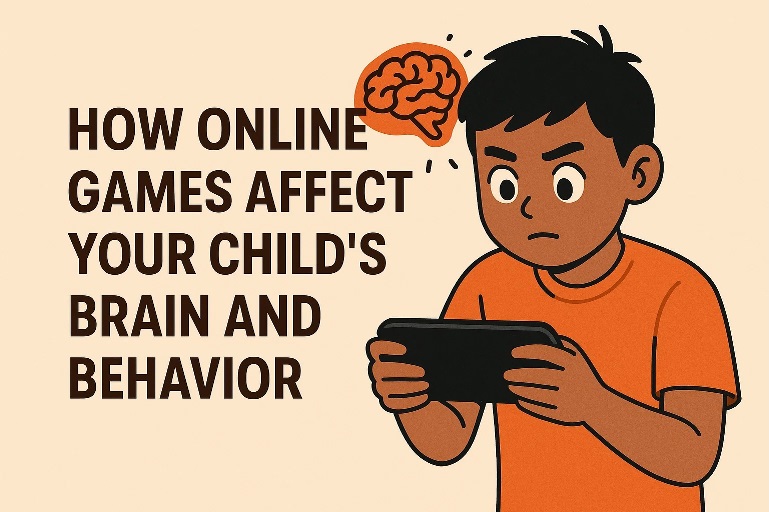
How Online Games Affect Your Child’s Brain and Behavior

How Online Games Affect Your Child’s Brain and Behavior

Online gaming has become a regular part of childhood. From multiplayer adventures and sports simulations to puzzle challenges and strategy games, children today have access to thousands of games on smartphones, tablets, computers, and gaming consoles.

Many parents wonder whether online games are helping their children learn new skills or causing problems that may affect their studies, behavior, and overall development. The truth lies somewhere in between. The impact of gaming depends on factors such as the type of games played, the amount of screen time, and how well gaming is balanced with other activities.

This guide explores how online games influence a child’s brain and behavior, helping parents make informed decisions.

How Online Gaming Has Changed Childhood

Unlike traditional games played outdoors, online gaming offers instant entertainment, social interaction, rewards, and challenges. According to industry reports, billions of people worldwide play video games, with children and teenagers representing a significant portion of users.

Many games are designed to keep players engaged for extended periods through levels, achievements, points, virtual rewards, and competitive rankings. While these features can be enjoyable, they also affect how the brain responds to stimulation and rewards.

How Much Screen Time Is Too Much for Kids? Expert Guidelines for Parents

How Online Games Affect the Brain

Improved Problem-Solving Skills

Many strategy and puzzle-based games require players to analyze situations, make decisions, and develop solutions quickly.

Children who play such games may improve:

    • Critical thinking
    • Decision-making abilities
    • Strategic planning
    • Pattern recognition
    • Logical reasoning

Educational researchers have found that certain games can strengthen cognitive skills when played in moderation.

Faster Information Processing

Action-based games often require quick reactions to changing situations.

Studies suggest that moderate gaming can improve:

    • Hand-eye coordination
    • Visual attention
    • Reaction speed
    • Spatial awareness

These skills can be useful in everyday activities and certain academic tasks.

Increased Dopamine Activity

Gaming activates the brain’s reward system by releasing dopamine, a chemical associated with pleasure and motivation.

Every time a child wins a level, earns a reward, or achieves a goal, the brain experiences a sense of accomplishment. While this can be motivating, excessive exposure may lead some children to seek constant stimulation and instant gratification.

Impact on Attention Span

Fast-paced games constantly present new challenges, sounds, visuals, and rewards.

When children spend many hours playing highly stimulating games, some may find classroom learning or homework less engaging because these activities provide slower rewards.

Research suggests that excessive gaming can contribute to difficulties with concentration and sustained attention in some children.

How Excessive Screen Time Affects Your Child’s Mind and Body

How Online Games Affect Behavior

Positive Social Interaction

Many online games allow players to communicate and cooperate with others.

Children may develop:

    • Teamwork skills
    • Communication abilities
    • Leadership qualities
    • Cooperation and collaboration

For some children, gaming communities can provide social connections and opportunities to make friends.

Increased Frustration and Aggression

Competitive gaming environments can sometimes lead to frustration, anger, or emotional outbursts.

Children may become upset when:

    • Losing matches
    • Facing repeated failures
    • Experiencing online bullying
    • Dealing with toxic player behavior

Parents should monitor how games influence emotional responses and discuss healthy ways to handle disappointment.

Reduced Interest in Other Activities

When gaming becomes the primary source of entertainment, children may gradually spend less time on:

    • Reading
    • Physical exercise
    • Family interaction
    • Creative hobbies
    • Academic activities

Maintaining balance is essential for healthy development.

Why Your Child Needs More Outdoor Playtime and Less Screen Time

The Effects of Excessive Gaming

Sleep Problems

Children who play games late into the evening often experience sleep disruption.

The blue light emitted by screens can interfere with melatonin production, making it harder to fall asleep. Poor sleep can affect memory, concentration, mood, and academic performance.

Academic Challenges

Several studies have found links between excessive recreational screen time and lower academic achievement.

This does not mean gaming automatically causes poor grades. However, when gaming replaces study time, homework, revision, and reading, academic performance may suffer.

Reduced Physical Activity

Children who spend many hours sitting and gaming are generally less physically active.

Lack of movement can contribute to:

    • Weight gain
    • Poor fitness
    • Reduced stamina
    • Increased health risks over time

Regular exercise remains important for both physical and mental well-being.

The Rise of Couch Potato Kids – How to Get Them Active Again

Warning Signs Parents Should Watch For

Gaming May Be Becoming a Problem If Your Child:

Shows Irritability When Unable to Play

Strong emotional reactions when gaming is restricted may indicate unhealthy dependence.

Neglects School Responsibilities

Missed assignments, declining grades, or reduced interest in learning can be warning signs.

Loses Interest in Friends and Family

Excessive gaming may lead to social withdrawal from real-world relationships.

Frequently Sacrifices Sleep

Staying awake late to continue gaming can affect health and academic performance.

Constantly Thinks About Gaming

Children may become preoccupied with games even when participating in other activities.

How to Help Kids Reduce Screen Time Without Arguments

How Parents Can Create Healthy Gaming Habits

Set Clear Time Limits

Establish daily or weekly gaming schedules that fit around schoolwork, physical activity, and family time.

Choose Age-Appropriate Games

Review game ratings and content before allowing children to play.

Encourage Variety

Balance gaming with reading, sports, creative hobbies, and social activities.

Keep Gaming Devices in Shared Spaces

Monitoring becomes easier when gaming occurs in common family areas rather than behind closed doors.

Talk About Online Safety

Teach children about privacy, cyberbullying, and responsible online behavior.

Can Online Games Be Educational?

Yes. Many games can support learning when selected carefully.

Educational and strategy-based games may help children develop:

    • Mathematical thinking
    • Problem-solving abilities
    • Creativity
    • Memory skills
    • Language development

The key is choosing quality content and maintaining reasonable limits.

Gaming vs. Studies – How to Bring Back the Balance?

Finding the Right Balance

Online games are neither entirely good nor entirely bad. Their impact depends largely on how they are used.

Moderate gaming can support cognitive development, coordination, and social interaction. However, excessive play may affect sleep, concentration, behavior, and academic progress.

Parents should focus on balance rather than complete restriction. Open communication, healthy routines, and active involvement in a child’s digital life can help ensure gaming remains a positive experience.

Children thrive when technology, learning, physical activity, and social interaction work together rather than compete for attention.

Looking for experienced tutors who can help your child stay focused, improve academic performance, and build strong study habits? Visit IndiaTutor.in to connect directly with qualified tutors for all classes and subjects.

Tutors can also register on IndiaTutor.in to showcase their expertise, receive direct enquiries from parents and students, and grow their tuition practice without paying commissions.

Register your Tutor Profile on IndiaTutor.in

About the Author

Nidhi Mehta is the founder of IndiaTutor.in and a professional online educator with over 11 years of teaching experience. She specializes in tutoring Classes 1 to 6 across core academic subjects, with a strong focus on concept clarity and foundational skill-building. Her teaching approach is based on personalized, one-to-one learning that helps students develop long-term academic confidence and understanding.
Visit her profile    Visit About Us Page

How Web Series and OTT Platforms Are Impacting Your Child’s Mind

How Web Series and OTT Platforms Are Impacting Your Child’s Mind

Streaming platforms have transformed entertainment. Today, children and teenagers can watch thousands of hours of content on demand, anytime and anywhere. From educational documentaries to engaging dramas and animated shows, OTT platforms offer endless choices.

However, many parents are beginning to ask an important question: What effect is all this viewing having on my child’s mind?

While OTT platforms can provide learning opportunities and creative inspiration, excessive consumption can influence attention span, emotional development, sleep quality, behavior, academic performance, and social skills. Understanding these effects can help parents make informed decisions and create healthier viewing habits at home.

Should Kids Watch Web Series? Expert Advice for Parents

The Growing Popularity of OTT Platforms Among Children

Over the last few years, OTT services have become a major source of entertainment for young audiences. Smartphones, tablets, smart TVs, and laptops have made access easier than ever.

Research shows that OTT consumption has become a regular part of daily life. One study found that nearly 89% of respondents used OTT platforms, with movies, web series, and video content being among the most popular forms of entertainment.

For many children, streaming content is no longer an occasional activity. It has become a daily routine.

How OTT Content Affects a Child’s Brain

Constant Stimulation Can Reduce Attention Span

Most web series are designed to keep viewers engaged. Fast-paced editing, dramatic cliffhangers, autoplay features, and personalized recommendations encourage continuous watching.

Young brains are still developing the ability to focus, delay gratification, and manage distractions. When children become accustomed to constant stimulation, traditional learning activities such as reading, writing, and classroom instruction may feel less engaging.

Many teachers report that increased screen exposure is associated with reduced concentration and classroom attention among students.

How to Help Kids Reduce Screen Time Without Arguments

Binge-Watching Encourages Instant Gratification

Unlike traditional television schedules, OTT platforms allow viewers to watch multiple episodes without interruption.

This can create a habit of seeking immediate rewards. Over time, children may become less patient with activities that require sustained effort, including homework, exam preparation, problem-solving, and skill development.

Emotional Development Can Be Influenced by Content

Children often learn by observing. Characters in web series can shape attitudes, language, relationships, and behavior patterns.

Positive content can encourage empathy, creativity, and resilience. However, repeated exposure to aggression, unhealthy relationships, risky behavior, or unrealistic lifestyles may affect how children view the world.

Younger viewers may struggle to distinguish entertainment from reality, making parental guidance especially important.

How Excessive Screen Time Affects Your Child’s Mind and Body

The Link Between OTT Viewing and Sleep Problems

Blue Light Exposure Before Bedtime

Many children watch web series late at night on personal devices. Screens emit blue light, which can interfere with melatonin production, the hormone responsible for regulating sleep.

Poor sleep affects memory, concentration, emotional regulation, and academic performance.

A recent study found that nearly 40% of children aged 2 to 5 experienced sleep-related issues associated with excessive screen exposure. Researchers also found that screen use before bedtime significantly increased the risk of sleep disturbances.

Sleep Loss Impacts Learning

When children do not get adequate rest, the effects often appear in school.

Common Signs Include:

    • Difficulty concentrating
    • Reduced memory retention
    • Increased irritability
    • Lower academic performance
    • Lack of motivation

Even a highly capable student can struggle if sleep quality declines.

Impact on Mental and Emotional Well-Being

Increased Risk of Anxiety and Emotional Difficulties

Growing evidence suggests that excessive screen exposure may be linked to emotional and behavioral challenges.

A large analysis involving more than 292,000 children found strong associations between higher screen use and problems such as anxiety, aggression, low self-esteem, and emotional difficulties.

This does not mean that OTT platforms alone cause these issues. However, excessive viewing can become part of a cycle where children use screens to cope with stress, loneliness, or boredom.

Reduced Real-World Social Interaction

Children develop communication skills through conversations, play, teamwork, and face-to-face experiences.

When streaming entertainment occupies a large portion of free time, opportunities for real-world interaction may decrease.

Over time, this can affect:

    • Social confidence
    • Emotional intelligence
    • Conflict-resolution skills
    • Relationship-building abilities

Academic Performance and OTT Consumption

Less Time Available for Productive Activities

Every hour spent watching content is an hour not spent on reading, revision, sports, hobbies, or family interaction.

A nationwide study involving more than 6.3 lakh participants found that 74% of CBSE students spent over two hours daily on screens for non-academic purposes, while many teachers observed reduced concentration and behavioral concerns among students.

Learning Habits Can Be Affected

Successful students generally develop routines that include:

    • Regular study schedules
    • Consistent practice
    • Reading habits
    • Physical activity
    • Adequate sleep

Excessive binge-watching can disrupt these routines and make it harder for children to maintain academic discipline.

The Rise of Couch Potato Kids – How to Get Them Active Again

Not All OTT Content Is Harmful

It is important to maintain perspective.

OTT platforms also offer many benefits when used wisely.

Educational Advantages

High-quality content can:

    • Improve general knowledge
    • Introduce new cultures and ideas
    • Support language development
    • Encourage curiosity
    • Make learning more engaging

Documentaries, educational series, science programs, and historical content can complement classroom learning.

Opportunities for Family Discussion

Watching selected programs together can create opportunities to discuss:

    • Values
    • Ethics
    • Relationships
    • Current events
    • Problem-solving

Parental involvement often makes content more meaningful and educational.

Warning Signs Parents Should Watch For

Your Child May Be Developing Unhealthy Viewing Habits If They:

    • Become irritable when screen time is restricted
    • Lose interest in outdoor activities
    • Struggle to focus on studies
    • Stay awake late to watch content
    • Prefer screens over social interaction
    • Constantly think about the next episode

Mental health professionals increasingly report concerns about focus issues, behavioral changes, sleep disruption, and excessive dependence on screens among children and adolescents.

Rising Stress in School Children – Causes, Symptoms, and How Parents Can Help

Practical Tips for Parents

Create Clear Viewing Rules

Establish age-appropriate limits and ensure children understand expectations.

Keep Screens Out of Bedrooms

This simple step can significantly improve sleep quality and reduce late-night viewing.

Encourage Offline Activities

Sports, reading, music, art, and family activities help create a healthy balance.

Watch Together When Possible

Co-viewing allows parents to understand what children are watching and discuss important themes.

Focus on Content Quality

The type of content often matters as much as the amount of screen time.

Be a Positive Role Model

Children observe adult behavior closely. Healthy digital habits at home influence everyone in the family.

Why Your Child Needs More Outdoor Playtime and Less Screen Time

My Thoughts

Web series and OTT platforms are neither completely good nor completely bad. Their impact depends largely on how they are used.

Moderate viewing, thoughtful content selection, parental involvement, and balanced daily routines can help children enjoy the benefits of digital entertainment without compromising their emotional well-being, learning, or personal development.

As technology continues to evolve, the goal is not to eliminate screens but to teach children how to use them responsibly.

Looking for experienced tutors who can help your child build stronger study habits, improve focus, and achieve better academic results? Register on IndiaTutor.in to connect directly with qualified tutors across India.

Tutors can also create a profile on IndiaTutor.in, showcase their expertise, and reach students and parents without paying commissions.

Register your Tutor Profile on IndiaTutor.in

About the Author

Nidhi Mehta is the founder of IndiaTutor.in and a professional online educator with over 11 years of teaching experience. She specializes in tutoring Classes 1 to 6 across core academic subjects, with a strong focus on concept clarity and foundational skill-building. Her teaching approach is based on personalized, one-to-one learning that helps students develop long-term academic confidence and understanding.

Visit her profile    Visit About Us Page

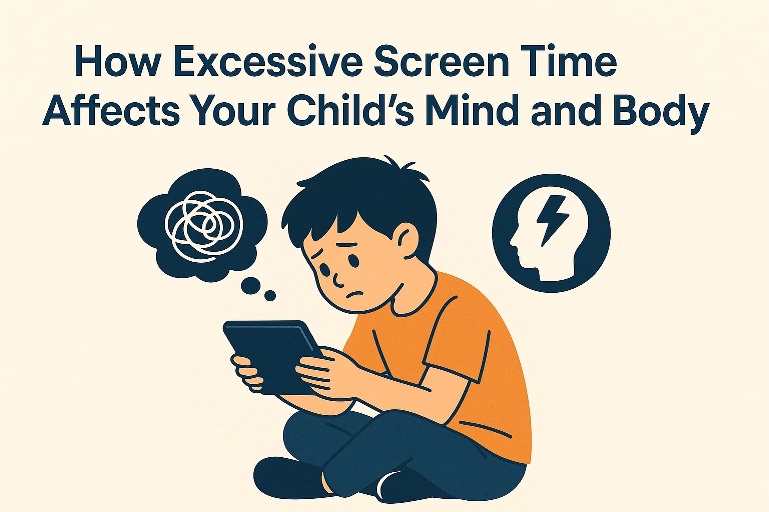
How Excessive Screen Time Affects Your Child’s Mind and Body

How Online Games Affect Your Child’s Brain and Behavior

Screens have become a part of everyday life. From online classes and homework to entertainment and social media, children spend a significant portion of their day looking at phones, tablets, laptops, and televisions. While technology offers many educational benefits, too much screen exposure can affect a child’s physical health, mental well-being, learning ability, and overall development.

Many parents wonder how much screen time is too much and what impact it can have on growing children. Understanding the effects can help families create healthier habits and support better learning outcomes.

How Much Screen Time Is Too Much for Kids? Expert Guidelines for Parents

Understanding Screen Time in Children

Screen time refers to the amount of time spent using digital devices such as smartphones, tablets, computers, gaming consoles, and televisions.

According to the World Health Organization (WHO), young children should have limited recreational screen exposure, while school-age children benefit from a balanced routine that includes physical activity, sleep, learning, and social interaction. Excessive screen use often replaces these important activities, leading to developmental concerns.

How Web Series and OTT Platforms Are Impacting Your Child’s Mind

How Screen Time Affects the Brain

Reduced Attention Span

Many digital platforms are designed to deliver rapid content and constant stimulation. Frequent exposure to short-form videos, fast-paced games, and endless scrolling can make it difficult for children to focus on tasks that require sustained concentration.

Children who spend long hours switching between apps and content may struggle with:

    • Paying attention during lessons
    • Completing homework
    • Reading books for extended periods
    • Following detailed instructions

Research has shown that excessive media use can be associated with attention difficulties and reduced academic performance in some children.

Impact on Learning and Memory

The brain needs time to process and store information effectively. Continuous digital stimulation can interfere with deep learning.

When children spend more time consuming content than actively engaging in problem-solving, reading, writing, or discussion, it may affect:

    • Memory retention
    • Critical thinking skills
    • Creativity
    • Independent learning abilities

Increased Risk of Anxiety and Stress

Social media exposure, online comparisons, gaming pressure, and constant notifications can contribute to emotional strain.

Children may experience:

    • Feelings of inadequacy
    • Fear of missing out (FOMO)
    • Mood swings
    • Increased stress levels

Studies have found links between excessive screen exposure and higher rates of anxiety symptoms among adolescents.

How Online Games Affect Your Child’s Brain and Behavior

Physical Effects of Excessive Screen Use

Eye Strain and Vision Problems

One of the most common complaints among children is digital eye strain.

Symptoms may include:

    • Dry eyes
    • Blurred vision
    • Headaches
    • Burning sensations
    • Difficulty focusing

The Indian Journal of Ophthalmology and several international studies have reported a significant rise in digital eye strain among school-going children since the increase in device usage.

Poor Posture and Body Pain

Children often use devices while sitting in awkward positions for long periods.

This can lead to:

    • Neck discomfort
    • Shoulder pain
    • Back problems
    • Muscle stiffness

Poor posture habits developed during childhood can continue into adulthood if not corrected.

Reduced Physical Activity

Every hour spent sitting with a device is often an hour not spent moving, playing, or exercising.

The consequences may include:

    • Weight gain
    • Reduced fitness levels
    • Lower stamina
    • Increased risk of childhood obesity

The World Health Organization recommends at least 60 minutes of moderate to vigorous physical activity daily for children and adolescents.

Why Your Child Needs More Outdoor Playtime and Less Screen Time

The Connection Between Screen Time and Sleep

Blue Light Disrupts Natural Sleep Cycles

Digital screens emit blue light, which can interfere with the production of melatonin, the hormone responsible for regulating sleep.

Using devices before bedtime may:

    • Delay sleep onset
    • Reduce sleep quality
    • Cause frequent waking during the night

Sleep Deprivation Affects Daily Performance

Children who do not get enough sleep may experience:

    • Irritability
    • Difficulty concentrating
    • Lower academic performance
    • Reduced emotional control

Research suggests that school-age children generally require between 9 and 12 hours of sleep per night, depending on age.

Rising Stress in School Children – Causes, Symptoms, and How Parents Can Help

Social and Emotional Consequences

Less Face-to-Face Interaction

Healthy communication skills develop through real-world conversations and social experiences.

Excessive device use can reduce opportunities for:

    • Family discussions
    • Outdoor play
    • Team activities
    • Friendship building

These experiences are important for developing empathy, confidence, and interpersonal skills.

Increased Dependence on Digital Entertainment

Children who rely heavily on screens for entertainment may find it difficult to engage in offline activities.

This can affect their interest in:

    • Reading
    • Creative hobbies
    • Sports
    • Educational exploration

A balanced lifestyle helps children discover diverse interests and talents.

Gaming vs. Studies – How to Bring Back the Balance?

Warning Signs Parents Should Watch For

Behavioral Changes

Parents should pay attention if their child:

    • Becomes irritated when devices are removed
    • Constantly asks for screen access
    • Loses interest in non-digital activities
    • Shows reduced attention during studies

Physical Symptoms

Common signs include:

    • Frequent headaches
    • Tired eyes
    • Poor posture
    • Sleep difficulties

Academic Concerns

A sudden decline in school performance, incomplete assignments, or difficulty concentrating may indicate that screen habits need review.

How to Help Kids Reduce Screen Time Without Arguments

Healthy Ways to Manage Screen Time

Create Clear Daily Limits

Establish reasonable rules for recreational screen use. Consistency is more effective than occasional restrictions.

Encourage Alternative Activities

Provide opportunities for:

    • Reading books
    • Outdoor games
    • Arts and crafts
    • Music
    • Family activities

Keep Devices Out of Bedrooms

Removing screens from sleeping areas can improve sleep quality and reduce nighttime usage.

Lead by Example

Children often imitate adult behavior. Parents who maintain healthy digital habits can positively influence their children.

Use Technology Purposefully

Not all screen time is harmful. Educational content, online learning, research, and skill development can be valuable when used in moderation.

The Rise of Couch Potato Kids – How to Get Them Active Again

When Additional Academic Support Can Help

Sometimes excessive screen use is linked to academic frustration or lack of engagement in studies. Children who struggle with certain subjects may turn to entertainment devices as an escape.

Personalized guidance from an experienced tutor can help students:

    • Build confidence
    • Improve study habits
    • Stay focused
    • Develop stronger learning routines
    • Achieve better academic results

Regular interaction with a knowledgeable teacher can also encourage productive use of technology for educational purposes.

My Thoughts

Technology is an important part of modern education and communication. The goal is not to eliminate screens entirely but to create a healthy balance. When children spend appropriate amounts of time on digital devices while also enjoying physical activity, quality sleep, meaningful relationships, and focused learning, they are more likely to thrive both academically and personally.

Parents who monitor screen habits early can help their children develop lifelong routines that support strong mental health, physical well-being, and educational success.

Looking for experienced tutors who can help your child stay engaged, focused, and motivated in studies? Visit IndiaTutor.in to connect directly with qualified tutors across subjects and grade levels.

Tutors can also register on IndiaTutor.in to showcase their expertise, reach students worldwide, and receive direct enquiries without paying commissions.

Register your Tutor Profile on IndiaTutor.in

About the Author

Nidhi Mehta is the founder of IndiaTutor.in and a professional online educator with over 11 years of teaching experience. She specializes in tutoring Classes 1 to 6 across core academic subjects, with a strong focus on concept clarity and foundational skill-building. Her teaching approach is based on personalized, one-to-one learning that helps students develop long-term academic confidence and understanding.

Visit her profile    Visit About Us Page

error: Content is protected !!

Found this helpful? Share it in 2 seconds!

Link copied to clipboard