

Free Tutor Registration vs Paid Profiles

Free Tutor Registration vs Paid Profiles

Finding students has become increasingly competitive. Parents and learners now compare multiple tutors online before making a decision. A well-presented profile can influence whether a tutor receives inquiries or gets overlooked.

Many tutoring platforms offer both free registration and paid profile options. Understanding how these models work can help tutors make informed choices and improve their chances of securing more tuition opportunities.

What Is Free Tutor Registration?

Free tutor registration allows educators to create a profile without paying any upfront fee. Typically, tutors can add basic information such as:

    • Name and qualifications
    • Subjects taught
    • Classes covered
    • Teaching experience
    • Location

Free profiles are opted by tutors who are just starting their teaching journey or exploring online tutoring opportunities.

Top 10 Websites to List Your Tutor Profile in India

Benefits of Free Tutor Registration

No Financial Risk

Tutors can create a profile without making an investment. This makes it easier to test a platform before committing to a paid plan.

Quick Online Presence

A free listing helps tutors become visible to parents and students searching for academic support.

Useful for Beginners

New tutors can gain experience, build confidence, and understand how online tutoring platforms work.

Limitations of Free Tutor Registration

No Visibility

Many tutoring directories prioritize premium profiles in search results. As a result, free listings receive little or no views.

Limited Profile Features

Some platforms restrict the number of photos, videos, certifications, or profile customization options available to free members.

Increased Competition

Since free registration is open to everyone, tutors often compete with hundreds or thousands of similar listings.

No Contact Details

Free tutor listings generally do not show contact details, so parents and students do not find them useful. Often, they are asked to fill form and share details which is then share with tutors with premium listings.

7 Mistakes Indian Tutors Make While Searching for Students Online

What Is a Paid Tutor Profile?

A paid profile involves a subscription or promotional package that provides additional visibility and enhanced features.

The goal is simple: help tutors stand out from competing profiles.

Common Features of Paid Profiles

Better Search Placement

Premium profiles are often displayed higher in search results, making them easier for parents to discover.

Enhanced Profile Presentation

Paid plans may allow tutors to showcase:

    • Detailed teaching experience
    • Student success stories
    • Introduction videos
    • Additional certifications
    • Teaching methodology
    • Contact details

Increased Exposure

Some platforms promote premium tutors across category pages, location pages, and featured sections.

Why Trusted Tutor Platforms Are the Future of Tuition Jobs

Why Visibility Matters

Research consistently shows that users pay the most attention to results appearing near the top of search pages.

According to studies by the Nielsen Norman Group, users spend most of their viewing time on content visible without extensive scrolling. Similarly, search engine research indicates that higher-ranking listings generally attract significantly more clicks than lower-ranking results.

For tutors, this means greater visibility can lead to more profile visits and potentially more student inquiries.

Why Smart Parents Choose Verified Tutors Instead of Random Ads

Comparing Free and Paid Tutor Profiles

Profile Reach

Free profiles receive little or no exposure.

Paid profiles often gain enhanced placement and greater visibility across the platform.

Student Inquiries

Free listings hardly ever inquiries – as they have no contact details.

Premium profiles often receive more attention because they appear more prominently.

Branding Opportunities

Free profiles generally offer basic information, which is not enough to build confidence and convince parents and students to connect.

Paid options frequently allow tutors to create a stronger personal brand through detailed descriptions, videos, achievements, and testimonials.

Long-Term Growth

A free listing is not the starting point. Tutors need not spend their time building a free profile which will deliver no results.

A paid profile may help experienced tutors expand faster by reaching a larger audience.

Secrets of High earning tutors in India you should know

What Is Free Registration Really?

Free registration is a marketing strategy used by popular automated platforms to bait new or want to tutors to list profile for free. It lets tutors spend time creating free content on their website, which builds their ranks on Google and generates traffic. These platforms do not show tutor contact details on free profiles, but only a contact form that collects leads. These leads are not shared with tutor profile owners, but are shared with tutors with paid listings only.

That is the reason, many a tutors who start with free listings, generally get tired of waiting for leads and finally consider moving on to premium listings. So, essentially free tutor listings are but a gimmick which allow popular platforms to use tutor profiles for own gains at many a levels.

Mistakes New Tutors Make and How to Avoid Them

  • When Should You Consider a Paid Profile?

A paid profile may be worthwhile if:

    • You already have teaching experience.
    • You want to attract more students consistently.
    • You teach high-demand subjects.
    • You offer online classes across multiple locations.
    • You want to strengthen your professional image.

For established tutors, improved visibility can often justify the investment.

How to Promote Yourself as a Tutor Without Spamming the Internet

How to Get Better Results Regardless of Profile Type

Whether you choose a free or paid profile, success depends on profile quality.

Add a Professional Photograph

Profiles with clear photographs often appear more trustworthy to parents.

Write a Detailed Introduction

Explain your teaching style, qualifications, and achievements in simple language.

Mention Results and Experience

Parents often look for measurable outcomes and relevant experience.

Include Subject Expertise

Clearly specify classes, boards, examinations, and subjects you teach.

Upload an Introduction Video

Video introductions help parents understand your communication skills and teaching approach before contacting you.

How to create a perfect Tutor Profile that attracts students

My Thoughts

Free tutor registration offers a starting point for educators who want to establish an online presence without spending money. Paid profiles, on the other hand, can provide additional exposure, stronger branding opportunities, and improved visibility in competitive categories.

The right choice depends on your experience, goals, and budget. Many successful tutors begin with a free listing and later upgrade once they understand the value of increased visibility and student reach.

Looking for more student inquiries and better visibility? Register on IndiaTutor.in and create a detailed tutor profile that showcases your experience, qualifications, and teaching strengths. Direct parent contact, zero commissions, and a focused education platform can help you connect with students actively seeking academic support.

Register your Tutor Profile on IndiaTutor.in

About the Author

Nidhi Mehta is the founder of IndiaTutor.in and a professional online educator with over 11 years of teaching experience. She specializes in tutoring Classes 1 to 6 across core academic subjects, with a strong focus on concept clarity and foundational skill-building. Her teaching approach is based on personalized, one-to-one learning that helps students develop long-term academic confidence and understanding.

Visit her profile    Visit About Us Page

Why Learning English Early Helps Kids in Global Opportunities

Why Learning English Early Helps Kids in Global Opportunities

Why Learning English Early Helps Kids in Global Opportunities

English has become one of the most important skills for children growing up in today’s connected world. Whether a student dreams of studying abroad, working with international companies, accessing quality educational resources, or communicating with people from different countries, a strong foundation in English can open many doors.

Parents often wonder when children should start learning English. Research suggests that early exposure helps children develop better language skills, confidence, and communication abilities. As global opportunities continue to expand, learning English from a young age can provide long-term advantages in education, careers, and personal growth.

Why English Matters in a Globalized World

The world is more connected than ever before. Students regularly access online classes, educational videos, digital libraries, and international learning platforms. A significant portion of this content is available in English.

According to estimates from the British Council, English is spoken by more than 1.5 billion people worldwide, making it one of the most widely used languages for communication, business, education, and technology.

Children who develop strong English skills early often find it easier to participate in global learning environments and interact with people from different cultural backgrounds.

How Early Language Learning Benefits Children

Better Language Absorption

Young children have a remarkable ability to absorb languages naturally. During the early years, the brain is highly adaptable and can process sounds, vocabulary, and grammar more efficiently.

Children exposed to English at a younger age often develop better pronunciation and listening skills compared to those who begin much later.

Stronger Communication Skills

Learning English is not only about vocabulary and grammar. It also improves overall communication abilities.

Children learn how to express ideas clearly, participate in discussions, ask questions confidently, and present their thoughts effectively. These skills are valuable throughout school and later in professional life.

Improved Confidence

Students who are comfortable communicating in English often feel more confident in classrooms, competitions, interviews, and social interactions.

Confidence gained through language proficiency can positively influence academic performance and participation in extracurricular activities.

English Opens Access to Better Educational Resources

Learning Beyond Textbooks

Many of the world’s most popular educational websites, online courses, research materials, and learning videos are available in English.

Students with strong language skills can explore topics independently and access information that may not be available in their native language.

Easier Participation in International Programs

Many international academic competitions, exchange programs, scholarship opportunities, and summer schools require English proficiency.

Students who start learning early are often better prepared to take advantage of these opportunities when they become available.

Better Performance in Higher Education

Several leading universities around the world use English as the primary language of instruction.

Strong language skills help students understand course materials, write assignments, conduct research, and communicate effectively with professors and peers.

The Role of English in Future Careers

Growing Demand Across Industries

English is widely used in sectors such as technology, healthcare, finance, engineering, hospitality, aviation, marketing, and international trade.

Many multinational organizations prefer candidates who can communicate effectively in English, especially when working with global teams and clients.

Increased Employment Opportunities

According to various workforce studies, English proficiency is often associated with better employment prospects and access to higher-paying roles in many countries.

As remote work continues to grow, professionals are increasingly collaborating with colleagues and clients from different parts of the world. Effective communication has become a valuable workplace skill.

Entrepreneurship and Business Growth

Young learners who develop strong communication abilities can later use those skills in entrepreneurship, freelancing, consulting, and business management.

English helps business owners connect with international customers, suppliers, and partners more easily.

How English Supports Digital Learning

Access to Online Knowledge

A large percentage of online educational content is published in English. Students with good language skills can benefit from tutorials, webinars, educational apps, and global learning communities.

Technology and Innovation

Most programming resources, software documentation, technology forums, and technical learning materials are written in English.

Children interested in science, coding, artificial intelligence, or engineering can gain an advantage by becoming comfortable with the language early.

Effective Ways to Help Children Learn English

Encourage Daily Reading

Reading storybooks, age-appropriate articles, and educational content helps children build vocabulary and comprehension skills gradually.

Create Opportunities for Conversation

Regular conversations allow children to practice speaking naturally and improve fluency over time.

Use Interactive Learning Methods

Educational games, storytelling activities, language exercises, and guided discussions can make learning more enjoyable and effective.

Seek Personalized Guidance

Every child learns differently. Some students may need additional support to improve grammar, pronunciation, writing, or conversational skills.

Qualified English tutors can identify learning gaps and create customized lessons that match a student’s pace and goals.

Why Parents Are Choosing English Tutors

Many parents recognize the importance of strong communication skills and seek expert guidance to help their children succeed.

An experienced English tutor can:

Build a strong language foundation

Improve reading, writing, listening, and speaking skills

Increase confidence in communication

Prepare students for school examinations and competitive assessments

Provide individual attention and structured learning plans

With consistent support, students can develop skills that benefit them throughout their academic and professional journeys.

My Thoughts

Learning English early is an investment in a child’s future. Strong language skills help students access better educational resources, communicate confidently, participate in international opportunities, and prepare for a rapidly changing global workforce.

As the world becomes increasingly interconnected, English continues to play a vital role in education, technology, business, and career development. Starting early gives children more time to build proficiency and gain confidence that can serve them for years to come.

Looking for experienced English tutors for your child? Explore qualified online and home tutors on IndiaTutor.in and connect directly with educators who match your learning needs.

English Tutors

Are you an English tutor? Register on IndiaTutor.in to showcase your expertise, receive direct enquiries from parents and students, and grow your tutoring career without paying commissions.

Register as Tutor

About the Author

Nidhi Mehta is the founder of IndiaTutor.in and a professional online educator with over 11 years of teaching experience. She specializes in tutoring Classes 1 to 6 across core academic subjects, with a strong focus on concept clarity and foundational skill-building. Her teaching approach is based on personalized, one-to-one learning that helps students develop long-term academic confidence and understanding.

Visit her profile    Visit About Us Page

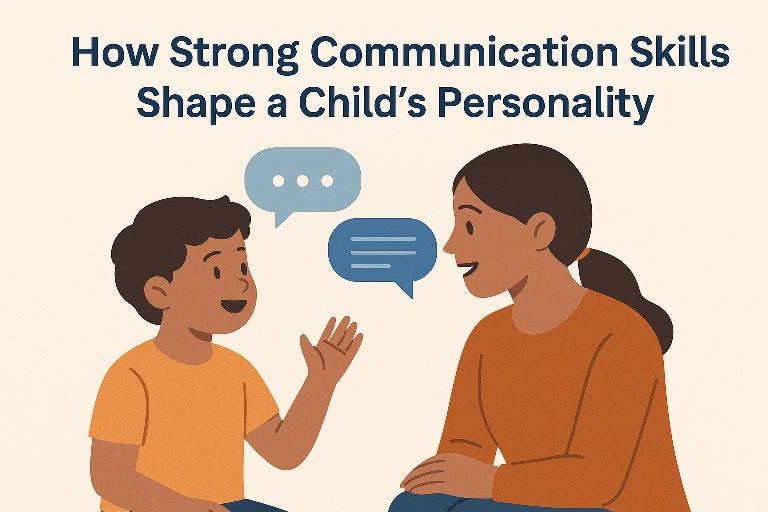
How Strong Communication Skills Shape a Child’s Personality

How Strong Communication Skills Shape a Child’s Personality

How Strong Communication Skills Shape a Child’s Personality

Communication is much more than speaking clearly. It is the ability to express thoughts, understand others, share ideas, ask questions, and build meaningful relationships. For children, strong communication skills play a vital role in shaping personality, confidence, academic success, and future career opportunities.

In today’s competitive world, students who communicate effectively often perform better in classrooms, social settings, interviews, and professional environments. Developing these abilities early can positively influence a child’s overall growth and self-esteem.

Why Learning English Early Helps Kids in Global Opportunities

Why Communication Skills Matter for Children

Communication is a life skill that affects almost every aspect of a child’s development. Whether interacting with teachers, participating in group activities, making friends, or presenting ideas, effective communication helps children navigate different situations with confidence.

According to various educational studies, children with strong verbal and interpersonal abilities tend to participate more actively in class discussions and often demonstrate higher levels of self-confidence compared to their peers.

Good communication helps children:

    • Express thoughts clearly
    • Build healthy relationships
    • Improve listening abilities
    • Develop emotional intelligence
    • Resolve conflicts peacefully
    • Perform better in academics
    • Become confident public speakers

How Strong Communication Skills Shape a Child’s Personality

How Communication Skills Influence Personality Development

A child’s personality is shaped by experiences, interactions, and self-perception. Communication serves as the bridge connecting all these elements.

Builds Self-Confidence

Children who can express their opinions comfortably often develop greater confidence. When they successfully communicate ideas and receive positive responses, they begin to trust their abilities.

Confidence gained through communication encourages students to participate in debates, presentations, competitions, and leadership activities.

Enhances Social Skills

Strong communicators find it easier to make friends and maintain positive relationships. They learn how to start conversations, understand social cues, and respond appropriately in different situations.

These social interactions contribute significantly to personality development and emotional maturity.

Encourages Independent Thinking

Communication allows children to organize thoughts before expressing them. This process strengthens critical thinking and decision-making abilities.

Students who regularly engage in discussions often become more analytical and open-minded.

Improves Emotional Expression

Many children struggle to express feelings such as frustration, excitement, disappointment, or anxiety. Effective communication provides them with the tools to articulate emotions in a healthy manner.

This reduces misunderstandings and promotes emotional well-being.

10 Simple Ways to Improve Your Child’s Communication Skills at Home

The Connection Between Communication and Academic Success

Academic achievement is closely linked with communication abilities.

Better Classroom Participation

Students who communicate confidently are more likely to ask questions when concepts are unclear. This active involvement improves understanding and learning outcomes.

Stronger Reading and Writing Skills

Communication extends beyond speaking. Reading comprehension and written expression are equally important components.

Research consistently shows that language development contributes to overall academic performance across subjects.

Improved Presentation Skills

Modern education increasingly emphasizes project work, group discussions, and presentations. Students with strong communication abilities are often more comfortable presenting ideas in front of audiences.

Greater Collaboration

Many school activities require teamwork. Effective communication helps students share responsibilities, exchange ideas, and achieve common goals successfully.

The Role of Sleep and Nutrition in Boosting Kids’ Focus

Key Communication Skills Every Child Should Develop

Active Listening

Listening carefully is the foundation of meaningful communication. Children should learn to pay attention, understand instructions, and respond thoughtfully.

Clear Speaking

The ability to speak confidently and organize thoughts logically helps children communicate effectively in academic and social environments.

Reading Comprehension

Reading expands vocabulary, improves understanding, and exposes children to different communication styles.

Writing Skills

Strong writing abilities help students express ideas clearly in assignments, examinations, emails, and future professional communication.

Non-Verbal Communication

Body language, facial expressions, eye contact, and posture contribute significantly to effective communication.

Experts estimate that a substantial portion of interpersonal communication is influenced by non-verbal signals, making these skills equally important for children.

Why Your Child Struggles to Concentrate – 7 Common Reasons & Solutions

How Parents Can Improve a Child’s Communication Skills

Parents play a critical role in nurturing communication abilities.

Encourage Daily Conversations

Regular family discussions create opportunities for children to express opinions and share experiences.

Ask Open-Ended Questions

Instead of questions that require only yes-or-no answers, encourage detailed responses that stimulate thinking and expression.

Promote Reading Habits

Reading books, magazines, and age-appropriate articles introduces children to new vocabulary and sentence structures.

Create Opportunities for Public Speaking

Simple activities such as storytelling, recitations, and presentations help children gain confidence in speaking before others.

Be a Positive Role Model

Children often imitate communication patterns observed at home. Respectful conversations and attentive listening provide valuable examples.

Why Your Child Needs More Outdoor Playtime and Less Screen Time

How Tutors Help Children Develop Communication Skills

Many parents focus primarily on academic improvement when hiring a tutor. However, experienced tutors contribute much more than subject knowledge.

Personalized Attention

One-on-one learning environments encourage students to ask questions without hesitation.

Confidence Building

Regular interaction with a supportive tutor helps children overcome fear of speaking and expressing ideas.

Vocabulary Enhancement

Tutors introduce new concepts, words, and explanations that strengthen language development.

Structured Communication Practice

Through discussions, presentations, reading exercises, and written assignments, tutors help students develop practical communication skills.

Individual Feedback

Constructive feedback enables students to identify areas for improvement and gradually become more effective communicators.

Importance of Reading Habits in Primary School Students

Why Communication Skills Matter in the Future

The importance of communication extends far beyond school years.

Employers consistently rank communication among the most valuable workplace skills. Whether pursuing careers in business, technology, healthcare, education, or entrepreneurship, effective communication remains essential for success.

Children who develop these abilities early often find it easier to adapt to changing environments, build professional relationships, and take on leadership responsibilities later in life.

My Thoughts

Strong communication skills shape a child’s personality by building confidence, improving social interactions, strengthening emotional intelligence, and supporting academic achievement. These abilities influence how children think, learn, interact, and grow throughout their lives.

Parents, teachers, and tutors all play an important role in helping children become confident communicators. By encouraging meaningful conversations, active listening, reading habits, and regular practice, children can develop skills that benefit them for years to come.

Are you an experienced tutor passionate about helping students grow academically and personally? Register on IndiaTutor.in to showcase your expertise, connect directly with parents and students, and build your online tutoring presence without paying commissions.

Create your tutor profile on IndiaTutor.in today and reach learners looking for trusted guidance in communication skills, academics, and overall personality development.

Register as Tutor

About the Author

Nidhi Mehta is the founder of IndiaTutor.in and a professional online educator with over 11 years of teaching experience. She specializes in tutoring Classes 1 to 6 across core academic subjects, with a strong focus on concept clarity and foundational skill-building. Her teaching approach is based on personalized, one-to-one learning that helps students develop long-term academic confidence and understanding.

Visit her profile    Visit About Us Page

10 Simple Ways to Improve Your Child’s Communication Skills at Home

10 Simple Ways to Improve Your Child’s Communication Skills at Home

Communication is one of the most important life skills a child can develop. It affects academic performance, friendships, confidence, future career opportunities, and overall personality development. Children who communicate clearly often find it easier to express ideas, ask questions, participate in discussions, and build healthy relationships.

According to research published by the Organisation for Economic Co-operation and Development (OECD), strong communication and social skills contribute significantly to academic success and future employability. In today’s increasingly connected world, the ability to communicate effectively is becoming just as valuable as subject knowledge.

The good news is that parents do not need expensive programs or specialized training to help their children become better communicators. Small daily habits at home can make a meaningful difference.

Why Learning English Early Helps Kids in Global Opportunities

Why Communication Skills Matter for Children

Communication is much more than speaking. It includes listening, understanding, expressing thoughts, reading body language, asking questions, and responding appropriately in different situations.

Children with strong communication abilities often:

      • Participate more actively in class
      • Build friendships more easily
      • Develop greater self-confidence
      • Perform better during interviews and presentations
      • Resolve conflicts effectively
      • Become better problem-solvers

Developing these abilities early creates a strong foundation for future success.

1. Encourage Meaningful Conversations Every Day

One of the simplest ways to improve communication is to talk regularly with your child.

Instead of asking questions that can be answered with a simple “yes” or “no,” encourage detailed responses.

Examples of Better Questions

      • What was the most interesting thing you learned today?
      • Which activity did you enjoy the most and why?
      • If you could change one thing about your day, what would it be?

Open-ended discussions help children organize thoughts and express ideas more clearly.

2. Become a Good Listener

Children learn communication by observing adults.

When your child speaks, give full attention. Maintain eye contact, avoid interruptions, and respond thoughtfully.

Why Listening Matters

When children feel heard, they become more willing to share their thoughts and emotions. This strengthens vocabulary, confidence, and speaking ability.

A supportive environment encourages children to communicate without fear of criticism.

3. Read Together Regularly

Reading is one of the most effective ways to improve language development.

Studies have shown that children who are regularly read to are exposed to thousands of additional words each year compared to children who are not.

How Reading Helps

    • Expands vocabulary
    • Improves sentence structure
    • Develops comprehension skills
    • Encourages imagination
    • Enhances speaking confidence

After reading, ask your child to summarize the story in their own words. This practice strengthens both understanding and expression.

4. Introduce Storytelling Activities

Storytelling develops creativity and verbal fluency.

Ask your child to create stories using simple prompts, pictures, or everyday situations.

Easy Storytelling Ideas

Picture-Based Stories

Show an image and ask your child to describe what might be happening.

Finish the Story

Begin a story and encourage your child to complete it.

Family Story Time

Share childhood experiences and invite children to tell their own stories.

These activities help children organize thoughts logically and communicate more effectively.

5. Reduce Excessive Screen Time

Digital devices have become part of everyday life, but excessive screen exposure can reduce opportunities for real conversations.

Research suggests that meaningful face-to-face interaction plays a critical role in language development, especially during childhood.

Create Conversation Opportunities

    • Family meals without devices
    • Evening discussions
    • Weekend activities together
    • Shared hobbies and projects

Replacing some screen time with interaction helps children practice speaking and listening naturally.

6. Encourage Public Speaking at Home

Many children feel nervous when speaking in front of others.

Regular practice at home can gradually build confidence.

Simple Activities

Mini Presentations

Ask your child to speak for two minutes about a favorite book, hobby, or sports activity.

Show and Tell

Let them explain an object and answer questions about it.

Family Discussions

Encourage participation during family conversations.

Frequent practice helps children become more comfortable expressing themselves.

7. Teach New Words Naturally

A rich vocabulary allows children to communicate ideas more effectively.

Instead of memorization, introduce new words during everyday conversations.

Practical Example

If your child says something is “good,” you can introduce alternatives such as:

      • Excellent
      • Impressive
      • Outstanding
      • Wonderful

Learning words in context makes them easier to remember and use correctly.

8. Encourage Group Activities

Communication improves when children interact with others.

Group activities provide opportunities to express opinions, listen carefully, and work collaboratively.

Useful Activities

    • Debate clubs
    • Drama classes
    • Sports teams
    • Community events
    • Group projects

These experiences expose children to different communication styles and social situations.

9. Help Children Express Feelings Clearly

Many children struggle to describe emotions accurately.

Teaching emotional vocabulary can improve both communication and emotional intelligence.

Encourage Statements Such As

    • I feel disappointed because…
    • I am excited about…
    • I am worried about…

Children who can express feelings clearly often experience fewer misunderstandings and stronger relationships.

10. Lead by Example

Parents are a child’s first communication role models.

Children observe how adults speak, listen, respond, and interact with others.

Positive Habits to Demonstrate

    • Speaking respectfully
    • Listening patiently
    • Maintaining eye contact
    • Using polite language
    • Expressing thoughts clearly

Consistent modeling has a powerful influence on a child’s communication style.

How Strong Communication Skills Shape a Child’s Personality

Common Mistakes Parents Should Avoid

While trying to help children improve communication, some habits may unintentionally discourage them.

Avoid These Mistakes

Interrupting Frequently

Allow children to complete their thoughts before responding.

Correcting Every Minor Error

Too much correction can reduce confidence.

Comparing Them With Others

Every child develops communication skills at a different pace.

Speaking for Them Constantly

Give children opportunities to answer questions independently.

Creating a supportive atmosphere encourages continuous improvement.

The Role of Sleep and Nutrition in Boosting Kids’ Focus

When Should Parents Consider Additional Support?

Some children may need extra guidance to strengthen communication abilities.

Parents may consider additional support if a child:

      • Avoids speaking in social situations
      • Struggles to express thoughts clearly
      • Shows low confidence during conversations
      • Faces difficulty with presentations or classroom participation
      • Needs help improving language fluency

Personalized guidance can help children overcome challenges and build stronger communication habits.

10 Proven Tips to Improve Concentration and Reduce Stress in Students

My Thoughts

Strong communication skills help children succeed in school, relationships, and future careers. The most effective improvements often come from simple daily practices rather than complicated programs. Regular conversations, reading, storytelling, active listening, and positive encouragement can gradually transform the way children express themselves.

Every child has the potential to become a confident communicator when given the right environment and support.

Looking for experienced tutors who can help your child develop communication skills, language fluency, and academic confidence? Register on IndiaTutor.in and connect directly with qualified tutors across India for personalized online and home tuition support.

Register your Tutor Profile on IndiaTutor.in

About the Author

Nidhi Mehta is the founder of IndiaTutor.in and a professional online educator with over 11 years of teaching experience. She specializes in tutoring Classes 1 to 6 across core academic subjects, with a strong focus on concept clarity and foundational skill-building. Her teaching approach is based on personalized, one-to-one learning that helps students develop long-term academic confidence and understanding.
Visit her profile    Visit About Us Page

10 Proven Tips to Improve Concentration and Reduce Stress in Students

10 Proven Tips to Improve Concentration and Reduce Stress in Students

Many students today face two common challenges: difficulty concentrating on studies and increasing levels of stress. Academic pressure, excessive screen time, social media distractions, competitive exams, and busy schedules can make it harder for children to stay focused and emotionally balanced.

Research suggests that concentration plays a major role in academic success. According to studies, the average human attention span has decreased significantly over the past two decades due to constant digital interruptions. At the same time, student stress levels continue to rise, affecting learning, memory, sleep, and overall well-being.

The good news is that concentration and stress management are skills that can be developed. With the right habits, students can improve focus, learn more effectively, and enjoy a healthier academic journey.

Why Your Child Needs More Outdoor Playtime and Less Screen Time

Why Concentration Matters for Academic Success

Concentration is the ability to direct attention toward a specific task while ignoring distractions. Strong focus helps students:

    • Understand concepts more quickly
    • Retain information longer
    • Complete assignments efficiently
    • Make fewer mistakes
    • Perform better in examinations

When concentration improves, studying becomes more productive and less stressful.

Rising Stress in School Children – Causes, Symptoms, and How Parents Can Help

Understanding Student Stress

Stress is the body’s natural response to challenges or demands. While a moderate amount of pressure can motivate students, excessive stress can negatively affect learning.

Common Causes of Student Stress

    • Exam preparation
    • Heavy homework load
    • Fear of poor grades
    • Lack of time management
    • Social expectations
    • Excessive screen exposure
    • Sleep deprivation

Parents and educators should recognize these factors early and help students develop healthy coping strategies.

Why Your Child Struggles to Concentrate – 7 Common Reasons & Solutions

1. Create a Consistent Study Schedule

A structured routine trains the brain to focus at specific times each day.

How It Helps

Students who follow regular study hours often experience fewer distractions and greater productivity.

Practical Tips

    • Study at the same time daily.
    • Divide subjects into manageable sessions.
    • Include short breaks between study periods.
    • Reserve difficult topics for peak energy hours.

Consistency builds discipline and reduces last-minute pressure.

2. Minimize Digital Distractions

Smartphones, social media notifications, and online entertainment are among the biggest barriers to concentration.

Effective Strategies

    • Turn off unnecessary notifications.
    • Keep devices away during study sessions.
    • Use website blockers if needed.
    • Designate specific times for social media.

Research shows that frequent interruptions can significantly reduce productivity and increase the time needed to complete tasks.

3. Follow the 25-5 Focus Method

The Pomodoro Technique is a simple and effective concentration strategy.

How It Works

    • Study for 25 minutes.
    • Take a 5-minute break.
    • Repeat the cycle four times.
    • Take a longer break after completing four sessions.

This approach prevents mental fatigue while maintaining steady attention.

4. Prioritize Quality Sleep

Sleep plays a critical role in learning, memory formation, and emotional regulation.

What Studies Show

Experts recommend that school-age children and teenagers get between 8 and 10 hours of sleep each night. Students who sleep well often demonstrate better concentration, faster problem-solving abilities, and improved academic performance.

Sleep Improvement Tips

    • Maintain a regular bedtime.
    • Avoid screens before sleeping.
    • Keep the bedroom quiet and comfortable.
    • Limit caffeine intake during evening hours.

5. Encourage Physical Activity

Exercise benefits both physical and mental health.

Why It Works

Physical movement increases blood flow to the brain and supports cognitive function.

Simple Activities

      • Walking
      • Cycling
      • Outdoor games
      • Yoga
      • Stretching exercises

Even 20 to 30 minutes of daily activity can help improve attention and reduce anxiety.

6. Practice Mindfulness and Deep Breathing

Mindfulness helps students stay present rather than worrying about future outcomes or past mistakes.

Easy Breathing Exercise

    1. Sit comfortably.
    2. Inhale slowly for four seconds.
    3. Hold the breath for four seconds.
    4. Exhale slowly for four seconds.
    5. Repeat several times.

Regular practice can lower stress levels and improve emotional control.

7. Maintain a Healthy Diet

Nutrition has a direct impact on brain performance.

Foods That Support Concentration

      • Fruits
      • Vegetables
      • Whole grains
      • Nuts and seeds
      • Milk and dairy products
      • Protein-rich foods

Students should avoid excessive consumption of sugary snacks and highly processed foods, which can lead to energy fluctuations and reduced focus.

8. Break Large Tasks into Smaller Goals

Many students feel overwhelmed when faced with lengthy assignments or complex subjects.

A Better Approach

Instead of focusing on an entire chapter, divide it into smaller sections.

Example

    • Read one topic.
    • Take notes.
    • Solve practice questions.
    • Review key concepts.

Achieving small goals creates momentum and reduces anxiety.

9. Create a Dedicated Study Environment

The study environment has a major influence on concentration.

Characteristics of an Effective Study Space

    • Good lighting
    • Comfortable seating
    • Minimal noise
    • Organized materials
    • Clean desk

A designated learning area helps the brain associate that space with focused work.

10. Seek Guidance When Needed

Sometimes students struggle despite their best efforts. In such cases, additional academic support can make a significant difference.

Benefits of Expert Guidance

Experienced tutors can:

    • Explain difficult concepts clearly
    • Identify learning gaps
    • Build confidence
    • Improve study techniques
    • Provide personalized attention

Many students experience noticeable improvement when they receive one-to-one support tailored to their individual learning needs.

The Rise of Couch Potato Kids – How to Get Them Active Again

How Parents Can Support Better Concentration

Parents play an important role in shaping study habits.

Helpful Actions for Parents

    • Encourage realistic goals.
    • Praise effort rather than only results.
    • Maintain open communication.
    • Avoid excessive academic pressure.
    • Support balanced routines that include recreation and rest.

A positive home environment often contributes to stronger focus and lower stress levels.

How Strong Communication Skills Shape a Child’s Personality

My Thoughts

Improving concentration and reducing stress is not about achieving perfection. It is about building healthy habits that support learning, confidence, and emotional well-being. Small changes in daily routines can lead to meaningful improvements in academic performance and overall development.

Students who learn to manage distractions, maintain healthy lifestyles, and seek guidance when necessary are better prepared to handle academic challenges successfully.

Looking for experienced tutors who can help students stay motivated, focused, and academically strong? Register on IndiaTutor.in to connect directly with qualified tutors across subjects and classes. Parents can compare tutor profiles, communicate directly, and find personalized learning support without paying commissions.

Register your Tutor Profile on IndiaTutor.in

About the Author

Nidhi Mehta is the founder of IndiaTutor.in and a professional online educator with over 11 years of teaching experience. She specializes in tutoring Classes 1 to 6 across core academic subjects, with a strong focus on concept clarity and foundational skill-building. Her teaching approach is based on personalized, one-to-one learning that helps students develop long-term academic confidence and understanding.

Visit her profile    Visit About Us Page

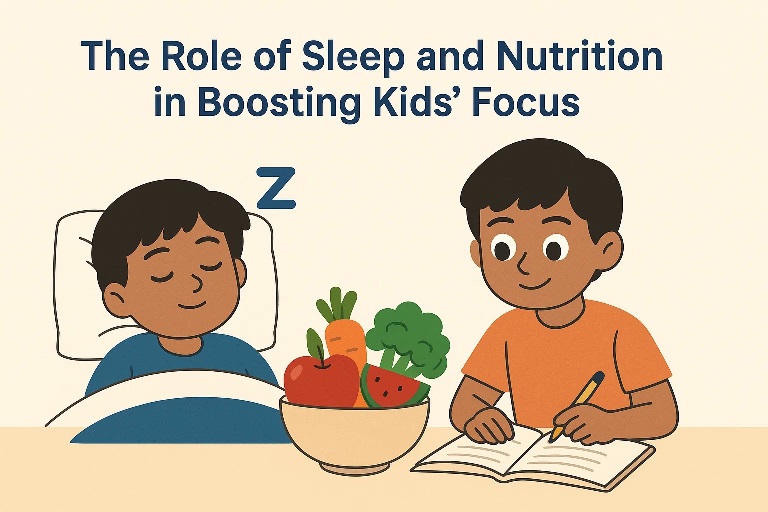
The Role of Sleep and Nutrition in Boosting Kids’ Focus

The Role of Sleep and Nutrition in Boosting Kids’ Focus

Every parent wants their child to stay attentive in class, complete homework efficiently, and perform well in exams. When concentration drops, many families immediately think about screen time, study habits, or lack of motivation. While these factors matter, two powerful influences on learning are often overlooked: sleep and nutrition.

A child’s brain is constantly developing. The quality of sleep they get and the food they eat directly affect memory, attention span, problem-solving ability, mood, and academic performance. Understanding the connection can help parents create an environment where children learn more effectively and enjoy better overall well-being.

Rising Stress in School Children – Causes, Symptoms, and How Parents Can Help

Why Focus Matters for Academic Success

Focus is the ability to concentrate on a task without getting distracted. It allows children to absorb information, understand concepts, and retain knowledge.

Students with strong concentration skills often:

    • Learn new topics faster
    • Complete assignments more accurately
    • Participate actively in class
    • Perform better in examinations
    • Develop greater confidence in their abilities

Poor concentration, on the other hand, can lead to frustration, incomplete work, and lower academic outcomes.

Why Your Child Struggles to Concentrate – 7 Common Reasons & Solutions

How Sleep Affects a Child’s Brain

Sleep is not simply a period of rest. During sleep, the brain processes information learned throughout the day, strengthens memory, and prepares for future learning.

Research shows that adequate sleep is linked to better cognitive functioning in children, including improved memory and learning abilities.

Recommended Sleep Duration by Age

Experts generally recommend:

    • Ages 6–12 years: 9–12 hours of sleep each night
    • Ages 13–18 years: 8–10 hours of sleep each night

Children who consistently achieve these targets are more likely to remain alert and engaged during school hours.

How to Help Your Child Balance School, Homework, and Hobbies

What Happens When Children Do Not Sleep Enough?

Insufficient sleep can affect several areas of learning:

Reduced Attention Span

A tired brain struggles to maintain concentration. Children may become distracted easily and find it difficult to follow instructions.

Poor Memory Retention

Sleep plays a major role in memory consolidation. Without enough rest, information learned during the day is less likely to be stored effectively.

Lower Problem-Solving Ability

Mathematics, science, and reasoning tasks often require sustained mental effort. Fatigue can make these activities more challenging.

Emotional Instability

Children who are sleep-deprived may become irritable, anxious, or impatient, which can affect classroom behaviour and learning outcomes.

Studies have also found positive associations between adequate sleep and academic performance among school students.

How Strong Communication Skills Shape a Child’s Personality

The Powerful Link Between Nutrition and Concentration

The brain accounts for roughly 20% of the body’s energy use despite representing a much smaller portion of body weight. This means the quality of fuel children receive through food significantly influences mental performance.

A balanced diet supports:

    • Sustained energy levels
    • Better concentration
    • Faster information processing
    • Improved memory
    • Healthy brain development

Why Breakfast Is Important

Many students leave for school without eating breakfast or consume foods high in sugar. While sugary foods may provide a quick burst of energy, they are often followed by a sudden drop in alertness.

A nutritious breakfast helps maintain steady blood sugar levels and supports learning throughout the morning.

Good breakfast choices include:

    • Eggs
    • Milk
    • Whole-grain bread
    • Oats
    • Fruits
    • Nuts
    • Yogurt

Nutrients That Support Brain Function

Protein

Protein provides essential amino acids needed for brain development and neurotransmitter production.

Good sources include:

    • Eggs
    • Dairy products
    • Lentils
    • Beans
    • Paneer
    • Nuts

Complex Carbohydrates

These release energy gradually and help children remain alert for longer periods.

Examples include:

    • Whole grains
    • Brown rice
    • Oats
    • Whole wheat chapati

Omega-3 Fatty Acids

Omega-3 fats support brain growth and cognitive function.

Sources include:

    • Fish
    • Walnuts
    • Flaxseeds

Iron

Iron helps transport oxygen throughout the body, including the brain.

Iron-rich foods include:

    • Green leafy vegetables
    • Lentils
    • Beans
    • Dates
    • Fortified cereals

The Hidden Impact of Dehydration

Many children do not drink enough water during the day. Even mild dehydration can affect concentration, mood, and mental performance.

Parents can encourage better hydration by:

    • Providing a water bottle for school
    • Offering water regularly during study sessions
    • Including water-rich fruits such as watermelon and oranges

Building Healthy Sleep Habits

Improving sleep quality does not require complicated changes.

Create a Consistent Bedtime

Going to bed and waking up at the same time each day helps regulate the body’s internal clock.

Reduce Screen Exposure Before Bed

Mobile phones, tablets, and televisions emit blue light that can interfere with natural sleep patterns.

Aim to stop screen use at least one hour before bedtime.

Create a Calm Evening Routine

Reading, storytelling, or light conversation can help children relax before sleep.

Ensure a Comfortable Sleep Environment

A quiet, dark, and comfortable room encourages deeper, more restorative sleep.

Research has shown that improvements in sleep can lead to better cognitive functioning and academic outcomes.

Smart Nutrition Habits for Better Learning

Parents can support learning by making small but consistent dietary improvements.

Choose Healthy Snacks

Instead of highly processed snacks, consider:

    • Roasted chickpeas
    • Fruit slices
    • Nuts
    • Homemade sandwiches
    • Yogurt

Include Vegetables Daily

Vegetables provide vitamins, minerals, and antioxidants that support overall health and brain function.

Avoid Excessive Sugary Foods

Frequent consumption of sugary snacks and drinks may contribute to energy fluctuations that affect concentration.

Plan Balanced Meals

Each meal should ideally contain:

    • Protein
    • Whole grains
    • Vegetables or fruits
    • Healthy fats

How Parents and Tutors Can Work Together

Academic success is not determined solely by study hours. Learning outcomes improve when parents, teachers, and tutors understand the role of lifestyle habits.

Tutors often notice when a student appears tired, distracted, or lacking energy. Open communication between parents and educators can help identify whether sleep routines or dietary habits may be affecting performance.

When healthy routines are combined with effective teaching and personalized academic support, children are better positioned to reach their full potential.

My Thoughts

Strong focus begins long before a child opens a textbook. Quality sleep and proper nutrition provide the foundation for attention, memory, emotional balance, and learning efficiency. By prioritizing healthy daily habits, parents can help children develop the mental energy needed for success in school and beyond.

Looking for experienced tutors who can support your child’s academic growth? Visit IndiaTutor.in to connect directly with qualified tutors for all classes and subjects.

If you are a tutor, register your profile on IndiaTutor.in and reach students and parents across India and around the world without paying commissions.

Register your Tutor Profile on IndiaTutor.in

About the Author

Nidhi Mehta is the founder of IndiaTutor.in and a professional online educator with over 11 years of teaching experience. She specializes in tutoring Classes 1 to 6 across core academic subjects, with a strong focus on concept clarity and foundational skill-building. Her teaching approach is based on personalized, one-to-one learning that helps students develop long-term academic confidence and understanding.

Visit her profile    Visit About Us Page

How to Help Your Child Balance School, Homework, and Hobbies

How to Help Your Child Balance School, Homework, and Hobbies

Many parents want their children to excel in academics while also enjoying activities that build confidence, creativity, and social skills. However, balancing school, homework, and hobbies can be challenging. Between classroom learning, assignments, exams, sports, music, and family time, children often feel overwhelmed.

A healthy balance is important because it helps students perform better in studies while also supporting their emotional and physical well-being. With the right approach, parents can help children stay organized, reduce stress, and enjoy a more fulfilling learning experience.

Rising Stress in School Children – Causes, Symptoms, and How Parents Can Help

Why Balance Matters for Children

Academic success is important, but children also need time to develop interests beyond textbooks. Research shows that participation in extracurricular activities can improve time management, teamwork, communication, and problem-solving skills. According to studies published by the United States Department of Education, students involved in structured extracurricular activities often demonstrate better academic performance and higher levels of school engagement.

When children spend all their time studying, they may experience burnout, fatigue, and a decline in motivation. On the other hand, excessive focus on hobbies without proper study habits can affect academic progress. The goal is to create a balanced routine that supports both learning and personal growth.

The Role of Sleep and Nutrition in Boosting Kids’ Focus

Common Challenges Faced by Families

Overloaded Schedules

Many students attend school for six to eight hours a day and then spend additional time completing homework, attending coaching classes, or preparing for exams. Adding sports, music lessons, or other activities can make schedules difficult to manage.

Lack of Time Management Skills

Children are still learning how to prioritize tasks. Without guidance, they may spend too much time on one activity and neglect others.

Digital Distractions

A report from the Organisation for Economic Co-operation and Development (OECD) found that excessive screen time can negatively affect academic performance and concentration. Smartphones, gaming, and social media often compete for a child’s attention.

Academic Pressure

Parents and students sometimes focus heavily on grades, leaving little room for recreation and relaxation. Continuous pressure can increase stress levels and reduce enthusiasm for learning.

10 Proven Tips to Improve Concentration and Reduce Stress in Students

Signs Your Child May Be Struggling with Balance

Academic Performance Is Declining

Missed assignments, lower grades, or difficulty concentrating may indicate that a child’s schedule has become overwhelming.

Constant Fatigue

Children need adequate sleep to learn effectively. The American Academy of Sleep Medicine recommends 9 to 12 hours of sleep for children aged 6 to 12 and 8 to 10 hours for teenagers.

Reduced Interest in Activities

A child who once enjoyed a hobby but suddenly loses interest may be experiencing stress or exhaustion.

Increased Irritability

Mood changes, frustration, or emotional outbursts can sometimes result from an overloaded routine.

Why Your Child Needs More Outdoor Playtime and Less Screen Time

How Parents Can Create a Healthy Balance

Establish a Daily Routine

A consistent schedule helps children understand when it is time to study, play, and rest. Allocate specific time blocks for schoolwork, hobbies, meals, and sleep.

A predictable routine reduces confusion and helps children develop self-discipline.

Prioritize Important Tasks

Teach children to identify urgent and important activities first. Homework, upcoming tests, and project deadlines should take priority before leisure activities.

Simple to-do lists can help students stay focused and organized.

Limit the Number of Activities

Children do not need to participate in every available program. One or two meaningful hobbies are often more beneficial than a packed schedule.

Allow children to choose activities they genuinely enjoy rather than forcing multiple commitments.

Encourage Quality Study Time

Long study hours do not always produce better results. Focused learning sessions are usually more effective than extended periods of distracted studying.

Many education experts recommend studying in short intervals with brief breaks in between to improve concentration and retention.

How Online Games Affect Your Child’s Brain and Behavior

The Role of Hobbies in Child Development

Building Confidence

Sports, music, dance, art, and other activities provide opportunities for children to achieve goals outside the classroom.

Success in these areas often boosts self-esteem and motivation.

Improving Social Skills

Group activities teach cooperation, communication, leadership, and conflict resolution.

These skills are valuable throughout a child’s academic journey and future career.

Supporting Mental Health

Recreational activities can reduce stress and help children maintain a positive outlook. They provide an outlet for self-expression and relaxation.

How Excessive Screen Time Affects Your Child’s Mind and Body

How Tutors Can Support a Balanced Lifestyle

Many parents worry that additional academic support may consume even more time. However, the right tutor can actually help students manage their workload more efficiently.

Personalized Learning

Private tutoring focuses on a student’s specific strengths and weaknesses, making study sessions more productive.

Better Understanding of Concepts

When children understand topics clearly, they spend less time struggling with homework and revision.

Improved Confidence

Students who receive targeted guidance often become more confident learners and approach schoolwork with less anxiety.

Efficient Exam Preparation

Experienced tutors can create structured study plans that help students prepare effectively without sacrificing hobbies and personal interests.

Why Your Child Struggles to Concentrate – 7 Common Reasons & Solutions

Practical Tips for Parents

Set Realistic Expectations

Every child has unique strengths and learning styles. Avoid comparing your child with others.

Protect Family Time

Shared meals and conversations help strengthen relationships and provide emotional support.

Encourage Independence

Allow children to take responsibility for their schedules and commitments as they grow older.

Monitor Stress Levels

Regularly ask children how they are feeling about school, homework, and activities. Open communication helps identify problems before they become serious.

10 Simple Ways to Improve Your Child’s Communication Skills at Home

Creating Long-Term Success

Balancing school, homework, and hobbies is not about filling every minute of the day. It is about helping children develop healthy habits, manage responsibilities, and enjoy opportunities for personal growth.

Children who learn to balance academics and interests often develop stronger organizational skills, greater confidence, and a healthier attitude toward learning. With support from parents, teachers, and tutors, students can achieve academic goals while still enjoying the activities that make childhood meaningful.

Looking for experienced tutors who can help your child learn effectively while maintaining a balanced lifestyle? Register on IndiaTutor.in to connect directly with qualified tutors for all classes and subjects.

Tutors can also join IndiaTutor.in to showcase their expertise, reach parents worldwide, and grow their online or home tuition opportunities.

Register your Tutor Profile on IndiaTutor.in

About the Author

Nidhi Mehta is the founder of IndiaTutor.in and a professional online educator with over 11 years of teaching experience. She specializes in tutoring Classes 1 to 6 across core academic subjects, with a strong focus on concept clarity and foundational skill-building. Her teaching approach is based on personalized, one-to-one learning that helps students develop long-term academic confidence and understanding.

Visit her profile    Visit About Us Page

Why Your Child Struggles to Concentrate – 7 Common Reasons & Solutions

Why Your Child Struggles to Concentrate – 7 Common Reasons & Solutions

Many parents worry when their child seems distracted during studies. A student may spend hours sitting with books but retain very little information. Difficulty concentrating is one of the most common challenges faced by school-going children today.

Research suggests that attention and focus play a major role in academic success. According to studies published by educational and child development organizations, children who develop strong concentration skills tend to perform better in learning, problem-solving, and memory-based tasks.

The good news is that concentration problems often have identifiable causes. Once parents understand what is affecting their child’s focus, they can take practical steps to improve the situation.

10 Proven Tips to Improve Concentration and Reduce Stress in Students

Why Concentration Matters for Academic Success

Concentration allows students to absorb information, understand concepts, complete assignments, and perform effectively in examinations. When attention frequently shifts from one thing to another, learning becomes slower and more frustrating.

Children who struggle to focus may:

    • Take longer to complete homework
    • Forget instructions easily
    • Make careless mistakes
    • Lose interest in studies
    • Feel stressed before tests

Understanding the root cause is the first step toward improvement.

1. Excessive Screen Time

One of the biggest distractions for modern students is digital entertainment. Smartphones, video games, social media platforms, and short-form videos provide constant stimulation.

How It Affects Learning

Fast-paced digital content trains the brain to expect continuous novelty. As a result, schoolwork may appear less engaging.

Several studies have found associations between high recreational screen use and reduced attention spans in children and adolescents.

Solution

    • Set daily screen-time limits.
    • Avoid devices during study hours.
    • Create technology-free zones at home.
    • Encourage reading and outdoor activities.

2. Lack of Proper Sleep

Sleep is essential for memory formation and cognitive functioning. Yet many students do not get adequate rest.

The American Academy of Sleep Medicine recommends that school-age children typically receive 9–12 hours of sleep, while teenagers generally need 8–10 hours.

Signs of Sleep Deprivation

    • Difficulty staying attentive
    • Frequent yawning
    • Irritability
    • Reduced academic performance

Solution

    • Maintain a fixed bedtime.
    • Limit screen use before sleeping.
    • Create a calm nighttime routine.
    • Ensure a comfortable sleeping environment.

3. Poor Study Environment

The surroundings in which a child studies can significantly affect concentration.

Common Distractions

    • Television noise
    • Family conversations
    • Mobile phone notifications
    • Cluttered desks

Solution

Create a dedicated study area with:

    • Good lighting
    • Comfortable seating
    • Minimal noise
    • Organized learning materials

Even small changes can improve focus considerably.

4. Learning Gaps and Weak Fundamentals

Sometimes a child appears distracted because they do not fully understand the subject being taught.

Why This Happens

A student who misses key concepts in mathematics, science, or language subjects may struggle to follow future lessons. Confusion often leads to loss of interest.

Solution

Identify Problem Areas

Review previous chapters and assess foundational knowledge.

Provide Individual Support

Personalized guidance can help students rebuild confidence and understand concepts at their own pace.

5. Stress and Emotional Pressure

Children face various pressures from academics, social expectations, extracurricular activities, and examinations.

How Stress Impacts Focus

When the brain is preoccupied with worries, concentration naturally declines.

Common indicators include:

    • Restlessness
    • Frequent mood changes
    • Lack of motivation
    • Avoidance of schoolwork

Solution

    • Encourage open communication.
    • Avoid unrealistic expectations.
    • Celebrate effort, not just results.
    • Maintain a healthy balance between studies and recreation.

6. Lack of Physical Activity

Physical movement supports brain health and cognitive performance.

According to the World Health Organization, children and adolescents should aim for at least 60 minutes of moderate-to-vigorous physical activity daily.

Benefits of Regular Exercise

    • Better attention span
    • Improved memory
    • Reduced stress
    • Increased energy levels

Solution

Encourage activities such as:

    • Cycling
    • Walking
    • Swimming
    • Team sports
    • Outdoor games

Even a short daily activity routine can make a noticeable difference.

7. Study Methods That Do Not Match the Child’s Learning Style

Every student learns differently. Some understand concepts through visuals, while others learn best through discussion, practice, or demonstrations.

Common Learning Preferences

Visual Learners

Prefer diagrams, charts, and illustrations.

Auditory Learners

Learn effectively through explanations and discussions.

Practical Learners

Understand concepts through hands-on activities and examples.

Solution

Experiment with different learning techniques until you discover what works best for your child.

Personalized teaching approaches often lead to better engagement and improved concentration.

Rising Stress in School Children – Causes, Symptoms, and How Parents Can Help

When Should Parents Seek Additional Academic Support?

If concentration issues continue despite positive changes at home, additional guidance may be beneficial.

A qualified tutor can:

    • Identify learning gaps
    • Create structured study plans
    • Explain difficult topics clearly
    • Improve confidence
    • Provide regular academic support

Many students show significant improvement when they receive individual attention tailored to their learning needs.

The Rise of Couch Potato Kids – How to Get Them Active Again

My Thoughts

Difficulty concentrating does not necessarily mean a child lacks ability or motivation. In many cases, factors such as sleep habits, distractions, stress, weak fundamentals, or ineffective study methods are responsible.

By identifying the underlying cause and taking practical steps early, parents can help their children develop stronger focus, better study habits, and greater academic confidence.

Looking for experienced tutors who can provide personalized support for your child? Register on IndiaTutor.in to connect directly with qualified tutors across subjects and classes. Compare profiles, communicate without intermediaries, and find the right learning support for your child’s academic success.

Register your Tutor Profile on IndiaTutor.in

About the Author

Nidhi Mehta is the founder of IndiaTutor.in and a professional online educator with over 11 years of teaching experience. She specializes in tutoring Classes 1 to 6 across core academic subjects, with a strong focus on concept clarity and foundational skill-building. Her teaching approach is based on personalized, one-to-one learning that helps students develop long-term academic confidence and understanding.

Visit her profile    Visit About Us Page

Rising Stress in School Children – Causes, Symptoms, and How Parents Can Help

Rising Stress in School Children – Causes, Symptoms, and How Parents Can Help

Childhood is often viewed as a carefree phase of life. However, for many students today, school years are becoming increasingly stressful. Academic expectations, packed schedules, social pressures, screen addiction, and concerns about the future are creating emotional challenges that many children struggle to express.

Parents, teachers, and caregivers are noticing changes in children’s behavior, concentration, sleep patterns, and overall happiness. Understanding the causes of stress in school children and learning how to provide the right support can make a significant difference in a child’s well-being and academic success.

Gaming vs. Studies – How to Bring Back the Balance?

Why Is Stress Increasing Among School Children?

Stress is a natural response to challenges. A small amount of pressure can motivate students to perform better. Problems arise when stress becomes frequent, intense, or long-lasting.

Recent studies highlight the growing concern. Research involving Indian high school students found that nearly 63.5% experienced stress related to academic pressure, while about 66% reported feeling pressure from parents to achieve better academic results. Additionally, 81.6% reported examination-related anxiety.

Another school-based study involving more than 1,400 students reported high levels of academic stress among 74% of participants.

These numbers suggest that stress is no longer limited to a small group of students. It has become a widespread challenge affecting children across age groups and academic levels.

How Much Screen Time Is Too Much for Kids? Expert Guidelines for Parents

Common Causes of Stress in School Children

Academic Pressure

Many students feel constant pressure to achieve high grades, perform well in examinations, complete assignments, and stay ahead of their peers. Competitive entrance exams and increasing expectations often add to this burden.

Research among Indian adolescents identified academic pressure as one of the most common sources of stress regardless of age or gender.

Fear of Failure

Children often worry about disappointing parents, teachers, or themselves. Even capable students may develop anxiety when they believe that mistakes are unacceptable.

Overscheduled Routines

Many children spend long hours at school followed by homework, tuition classes, extracurricular activities, and test preparation. Limited free time can lead to exhaustion and emotional fatigue.

Social and Peer Pressure

Friendships, social acceptance, bullying, comparison with classmates, and online interactions can create significant emotional strain.

Screen Time and Digital Influence

Mobile phones, gaming, social media, and constant digital engagement can affect sleep quality, attention span, and emotional health. A nationwide study found that 74% of CBSE students spend more than two hours daily on screens for non-academic purposes.

Family Expectations

Parents naturally want the best for their children. However, excessive focus on marks, rankings, and career outcomes can unintentionally increase stress levels.

How to Help Your Child Balance School, Homework, and Hobbies

Signs and Symptoms of Stress in Children

Stress does not always appear in obvious ways. Many children may not openly communicate their struggles.

Emotional Symptoms

Increased Irritability

A child may become easily frustrated, angry, or upset over small issues.

Frequent Worry

Constant concerns about exams, homework, friendships, or future goals can indicate underlying stress.

Loss of Confidence

Students under pressure may begin doubting their abilities even when they are performing reasonably well.

Physical Symptoms

Headaches and Stomach Problems

Recurring physical complaints without a clear medical reason can sometimes be linked to emotional stress.

Sleep Disturbances

Difficulty falling asleep, frequent waking, or poor-quality sleep are common warning signs.

Fatigue

Children experiencing stress often appear tired despite getting adequate rest.

Behavioral Symptoms

Reduced Interest in Activities

A child may stop enjoying hobbies, sports, or activities that were previously exciting.

Difficulty Concentrating

Stress can affect focus, memory, and classroom performance.

Social Withdrawal

Some children isolate themselves from friends and family when they feel overwhelmed.

Academic Symptoms

Falling Grades

Sudden changes in academic performance may indicate emotional difficulties rather than lack of ability.

Avoidance of Schoolwork

Procrastination, incomplete assignments, or reluctance to attend school can be signs of excessive pressure.

10 Proven Tips to Improve Concentration and Reduce Stress in Students

How Stress Affects Learning and Development

Long-term stress can impact much more than exam performance.

Children experiencing persistent stress may struggle with concentration, problem-solving, creativity, decision-making, and emotional regulation. Studies also suggest that supportive family relationships play an important role in reducing mental health challenges among school children.

When stress remains unaddressed, it can affect confidence, motivation, relationships, and overall development.

How Parents Can Help a Stressed Child

Create an Open Environment

Children should feel comfortable discussing their worries without fear of criticism or punishment.

Simple questions such as “How was your day?” or “What was the best and most difficult part of today?” can encourage meaningful conversations.

Focus on Effort Rather Than Marks

Praise hard work, consistency, improvement, and learning rather than only academic results.

Children who feel valued for their efforts often develop healthier attitudes toward learning.

Set Realistic Expectations

Every child has unique strengths, interests, and learning styles. Comparing children with siblings, relatives, or classmates can increase anxiety.

Encourage Healthy Routines

A balanced schedule should include:

    • Adequate sleep
    • Physical activity
    • Nutritious meals
    • Relaxation time
    • Family interaction
    • Recreational activities

Limit Excessive Screen Exposure

Encouraging offline hobbies, reading, outdoor activities, and family engagement can help reduce stress and improve emotional well-being.

Teach Problem-Solving Skills

Instead of immediately fixing every challenge, help children think through possible solutions. This builds resilience and confidence.

Watch for Warning Signs

If stress becomes severe, persistent, or begins affecting daily life, professional guidance from counselors, psychologists, or mental health professionals may be beneficial.

The Role of Sleep and Nutrition in Boosting Kids’ Focus

The Role of Teachers and Tutors

Teachers and tutors often spend significant time with students and can identify difficulties that parents may not immediately notice.

A supportive educator can:

    • Clarify difficult concepts
    • Reduce academic frustration
    • Improve confidence
    • Develop effective study habits
    • Provide personalized guidance
    • Create a positive learning environment

Many students experience stress because they fall behind in one or two subjects and gradually lose confidence. Individual attention and structured academic support can help break this cycle before it becomes overwhelming.

Building Emotionally Strong and Confident Children

Success in education is important, but emotional well-being is equally valuable. Children perform their best when they feel supported, understood, and secure.

Parents do not need to eliminate every challenge from a child’s life. Instead, the goal should be to help children develop the skills, confidence, and resilience needed to handle challenges effectively.

By recognizing stress early, maintaining open communication, and providing balanced support, families can help children enjoy healthier, happier, and more successful school years.

Looking for experienced tutors who can provide personalized academic support and reduce learning-related stress? Visit IndiaTutor.in to connect directly with qualified tutors across subjects and classes.

Tutors can also register on IndiaTutor.in to showcase their expertise, reach students across India and worldwide, and receive direct enquiries without paying commissions.

Register your Tutor Profile on IndiaTutor.in

About the Author

Nidhi Mehta is the founder of IndiaTutor.in and a professional online educator with over 11 years of teaching experience. She specializes in tutoring Classes 1 to 6 across core academic subjects, with a strong focus on concept clarity and foundational skill-building. Her teaching approach is based on personalized, one-to-one learning that helps students develop long-term academic confidence and understanding.

Visit her profile    Visit About Us Page

The Rise of Couch Potato Kids – How to Get Them Active Again

The Rise of Couch Potato Kids – How to Get Them Active Again

Children today have access to more technology than any previous generation. Smartphones, tablets, gaming consoles, streaming platforms, and social media have transformed how young people spend their free time. While technology offers many benefits, it has also contributed to a growing concern among parents, teachers, and health experts: the rise of sedentary lifestyles among children.

Many youngsters now spend hours sitting indoors, often choosing screens over sports, outdoor play, or physical recreation. As a result, parents are increasingly searching for practical ways to encourage healthier habits and restore balance in their children’s daily routines.

How Excessive Screen Time Affects Your Child’s Mind and Body

What Is a Couch Potato Kid?

A “couch potato kid” is a child who spends most of their leisure time engaged in inactive activities such as watching videos, scrolling on mobile devices, playing video games, or using computers for extended periods.

Physical movement becomes limited, and opportunities for exercise, outdoor exploration, and social interaction often decrease. Over time, this pattern can affect a child’s overall development.

Why Are Children Becoming Less Active?

Several factors have contributed to this shift in behavior.

Increased Screen Exposure

Digital entertainment is available around the clock. Many children can instantly access games, videos, and social platforms from multiple devices within the home.

Research shows that excessive screen use often replaces time that could otherwise be spent playing, exercising, or interacting with friends.

Academic Pressure

Students frequently spend long hours attending classes, completing homework, preparing for examinations, and participating in additional coaching sessions. By the end of the day, many prefer passive activities that require little effort.

Limited Outdoor Spaces

Urbanization has reduced access to safe playgrounds and open areas in many neighborhoods. Concerns about traffic, safety, and pollution may also discourage outdoor activities.

Changing Family Routines

Busy schedules often leave limited time for family walks, sports, or recreational outings. As a result, screens become an easy option for entertainment and convenience.

Why Your Child Needs More Outdoor Playtime and Less Screen Time

The Numbers Parents Should Know

The scale of physical inactivity among young people is significant.

According to the World Health Organization, around 80% of adolescents worldwide do not achieve recommended levels of physical activity. Physical inactivity has become one of the leading risk factors affecting long-term health.

WHO also notes that sedentary behavior is increasing globally because of greater reliance on screens for education, recreation, and everyday activities.

Studies have linked excessive screen exposure with reduced physical activity, poorer sleep quality, attention difficulties, and other developmental concerns in children.

How Much Screen Time Is Too Much for Kids? Expert Guidelines for Parents

How Inactivity Affects Child Development

Physical activity is not just about fitness. It plays an important role in many areas of growth.

Physical Health

Regular movement helps strengthen bones and muscles, supports healthy growth, improves cardiovascular fitness, and assists with maintaining a healthy body weight.

When activity levels decline, children may become more vulnerable to lifestyle-related health problems later in life.

Mental Well-Being

Exercise contributes positively to mood, confidence, emotional regulation, and overall psychological health. Children who move regularly often report feeling more energetic and motivated.

Academic Performance

Active children frequently demonstrate better concentration, memory, and cognitive function. Research has found that healthy balances between physical activity, sleep, and screen time are associated with improved learning outcomes.

Social Development

Outdoor games, team sports, and group activities help youngsters learn communication, cooperation, leadership, and problem-solving skills.

How Online Games Affect Your Child’s Brain and Behavior

Signs Your Child May Need More Physical Activity

Parents should pay attention to patterns that may indicate excessive inactivity.

Common Warning Signs

Preference for Screens Over Play

A child consistently chooses devices over outdoor activities or social interaction.

Reduced Energy Levels

Frequent complaints of tiredness despite adequate sleep.

Difficulty Focusing

Poor concentration during studies or daily tasks.

Avoidance of Physical Activities

Reluctance to participate in sports, games, or recreational programs.

Weight and Fitness Concerns

Noticeable decline in stamina, endurance, or overall fitness.

How Web Series and OTT Platforms Are Impacting Your Child’s Mind

Practical Ways to Get Children Moving Again

The good news is that small changes can create lasting results.

Make Activity Fun Rather Than Mandatory

Children respond better when movement feels enjoyable instead of being treated as a punishment or obligation.

Consider activities such as:

    • Cycling
    • Dancing
    • Swimming
    • Skating
    • Badminton
    • Football
    • Cricket
    • Nature walks

Allowing children to choose their preferred activity often increases participation.

Create Daily Movement Goals

Health experts recommend regular physical activity for school-age children. Even simple routines such as evening walks, active games, or family sports sessions can make a meaningful difference.

Introduce Screen-Free Time

Establish periods during the day when devices are put away.

Effective Screen-Free Zones

    • Dining table
    • Family gatherings
    • Outdoor outings
    • One hour before bedtime

Experts recommend focusing on balance rather than completely eliminating technology.

Encourage Outdoor Play

Outdoor environments stimulate curiosity, creativity, and physical development.

Even 30 minutes outside each day can provide valuable benefits for both children and parents.

Lead by Example

Children often imitate adult behavior.

When parents participate in walks, sports, fitness activities, or recreational hobbies, youngsters are more likely to follow.

Enroll Children in Structured Activities

Sports academies, dance programs, martial arts classes, and recreational clubs provide regular opportunities for movement while helping children build confidence and friendships.

How to Help Kids Reduce Screen Time Without Arguments

The Role of Tutors in Promoting Active Lifestyles

Academic success and physical well-being should work together, not compete with one another.

Experienced tutors can encourage balanced schedules by:

    • Promoting effective time management
    • Reducing study-related stress
    • Incorporating short movement breaks during lessons
    • Encouraging healthy routines
    • Supporting student confidence and motivation

Parents increasingly appreciate educators who understand the importance of holistic child development alongside academic achievement.

Building Healthy Habits for the Future

Children do not need to become professional athletes to enjoy the benefits of an active lifestyle. Small, consistent actions often have the greatest impact.

A family walk after dinner, weekend cycling sessions, outdoor games with friends, or participation in sports can gradually replace excessive sitting and screen dependence.

The goal is not to eliminate technology but to create a healthier balance that supports physical health, emotional well-being, academic progress, and social development.

By taking proactive steps today, parents can help children develop habits that benefit them throughout life.

Looking for experienced tutors who understand both academic excellence and student well-being? Register on IndiaTutor.in to connect directly with qualified tutors across subjects and classes.

Tutors can also create a profile on IndiaTutor.in to reach students worldwide, receive direct enquiries, and grow their teaching practice without commission deductions.

About the Author

Nidhi Mehta is the founder of IndiaTutor.in and a professional online educator with over 11 years of teaching experience. She specializes in tutoring Classes 1 to 6 across core academic subjects, with a strong focus on concept clarity and foundational skill-building. Her teaching approach is based on personalized, one-to-one learning that helps students develop long-term academic confidence and understanding.

Visit her profile    Visit About Us Page

error: Content is protected !!

Found this helpful? Share it in 2 seconds!

Link copied to clipboard