

Should Kids Watch Web Series? Expert Advice for Parents

Should Kids Watch Web Series Expert Advice for Parents

Web series have become a regular part of family entertainment. From educational shows and animated adventures to teen dramas and fantasy stories, children today have access to more content than any previous generation.

Many parents often ask: Should kids watch web series? Is it good for learning, or does it create problems?

The answer is not a simple yes or no. The impact depends on the child’s age, the type of content being watched, viewing habits, and parental involvement.

This guide explains the benefits, risks, and practical strategies parents can use to help children develop healthy viewing habits.

Why Web Series Are So Popular Among Children

Streaming platforms have changed how children consume content. Unlike traditional television, web series can be watched anytime and anywhere.

Recent media studies show that online video and streaming content dominate children’s screen entertainment worldwide. Research also indicates that a large majority of children watch some form of audio-visual content every week, with streaming services becoming a major source of entertainment.

The popularity of web series comes from:

    • Easy access on multiple devices
    • Engaging storylines
    • Personalized recommendations
    • Attractive visuals and sound effects
    • Availability of content for every age group

While these features make web series entertaining, they also require thoughtful supervision.

How Web Series and OTT Platforms Are Impacting Your Child’s Mind

Benefits of Watching Web Series

Not all screen time is harmful. High-quality content can provide several benefits when consumed in moderation.

Educational Learning Opportunities

Many web series introduce children to:

    • Science concepts
    • History and culture
    • Language development
    • Problem-solving skills
    • Creativity and imagination

Educational programs often present complex topics in a simple and engaging format that children can easily understand.

How Much Screen Time Is Too Much for Kids? Expert Guidelines for Parents

Improved Vocabulary and Communication

Children who watch age-appropriate programs can learn:

    • New words
    • Sentence structures
    • Pronunciation
    • Storytelling techniques

This is especially helpful when parents discuss the content afterward.

Family Bonding

Watching selected shows together creates opportunities for:

    • Meaningful conversations
    • Shared experiences
    • Teaching values
    • Discussing real-life situations

Co-viewing helps parents understand what their children are watching and thinking.

How Excessive Screen Time Affects Your Child’s Mind and Body

Potential Risks Parents Should Know

While web series offer benefits, excessive or unsupervised viewing can create challenges.

Exposure to Inappropriate Content

Many platforms use recommendation algorithms. A child may begin with harmless content but eventually encounter material that is unsuitable for their age.

Experts have raised concerns that children can sometimes be exposed to harmful themes, violence, misinformation, or unhealthy social influences through online content.

Reduced Physical Activity

When screen time replaces outdoor play, children may become less active.

Physical movement is essential for:

    • Healthy growth
    • Motor skills development
    • Better sleep
    • Stronger immunity

A balanced routine remains important.

Impact on Sleep

Watching web series late at night can affect sleep quality.

Fast-paced entertainment and prolonged device use may make it harder for children to relax before bedtime.

Shortened Attention Span

Constant exposure to rapidly changing visuals can make traditional learning activities seem less engaging.

Some parents report difficulty getting children to focus on reading, homework, or offline hobbies after extended screen use.

How to Help Kids Reduce Screen Time Without Arguments

What Research Says About Excessive Screen Time

Studies continue to examine how digital media affects children.

A large analysis involving more than 292,000 children found associations between higher screen use and emotional or behavioral difficulties. Researchers also noted that children experiencing such challenges may turn to screens more often, creating a cycle that becomes difficult to manage.

Another survey found that nearly one in two urban Indian parents reported their children spending three or more hours daily on screens, including video streaming platforms and online entertainment.

These findings do not mean web series are harmful by themselves. They highlight the importance of balance and supervision.

The Rise of Couch Potato Kids – How to Get Them Active Again

How Much Web Series Viewing Is Reasonable?

There is no single rule that fits every family.

Instead of focusing only on the number of hours, parents should consider:

    • Child’s age
    • Content quality
    • School performance
    • Sleep patterns
    • Physical activity levels
    • Social interactions

A child who maintains healthy routines and watches quality content in moderation is less likely to experience negative effects.

Signs That Viewing Habits May Need Attention

Parents should observe whether a child:

    • Becomes irritated when screen time ends
    • Avoids outdoor activities
    • Shows declining academic performance
    • Experiences sleep difficulties
    • Loses interest in hobbies
    • Spends less time interacting with family

These signs may indicate the need for healthier boundaries.

Expert Tips for Parents

Watch Together When Possible

Co-viewing allows parents to:

    • Explain confusing topics
    • Discuss values and behavior
    • Answer questions
    • Encourage critical thinking

Children often learn more when adults participate.

Select Age-Appropriate Content

Review ratings and previews before allowing access.

Choose programs that match:

    • Emotional maturity
    • Learning needs
    • Family values

Create Viewing Rules

Clear expectations help children develop self-control.

Examples include:

    • No screens during meals
    • No devices before bedtime
    • Homework completed first
    • Limited viewing on school days

Consistency is important.

Encourage Offline Activities

Children need experiences beyond screens.

Healthy alternatives include:

    • Reading books
    • Sports and games
    • Art and crafts
    • Music
    • Family outings
    • Creative projects

A balanced lifestyle naturally reduces dependence on digital entertainment.

Rising Stress in School Children – Causes, Symptoms, and How Parents Can Help

Can Web Series Be Educational?

Yes, when selected carefully.

Many high-quality programs teach:

    • Mathematics
    • Science
    • Geography
    • Language skills
    • Social development
    • Emotional intelligence

Parents can turn entertainment into learning by asking questions about what was watched and encouraging discussion.

The Role of Tutors in Building Better Screen Habits

Academic support can play a valuable role in reducing excessive entertainment consumption.

When children are engaged in structured learning activities, they often develop:

    • Better study routines
    • Improved focus
    • Stronger academic confidence
    • More productive use of time

Experienced tutors can also recommend educational content that supports classroom learning rather than distracting from it.

My Thoughts

Kids can watch web series, but moderation and supervision matter. The goal is not to eliminate screens entirely. Instead, parents should focus on content quality, healthy routines, and meaningful engagement.

When used wisely, web series can educate, entertain, and inspire. When left unchecked, excessive viewing may affect learning, sleep, physical activity, and emotional well-being.

The most effective approach is balance—combining digital entertainment with learning, social interaction, outdoor activities, and family time.

Looking for experienced tutors who can help your child stay engaged in learning and build strong academic habits? Register on IndiaTutor.in to connect directly with qualified tutors across subjects and classes.

IndiaTutor.in allows parents to compare tutor profiles, communicate directly, and find the right academic support without paying commissions.

Register your Tutor Profile on IndiaTutor.in

About the Author

Nidhi Mehta is the founder of IndiaTutor.in and a professional online educator with over 11 years of teaching experience. She specializes in tutoring Classes 1 to 6 across core academic subjects, with a strong focus on concept clarity and foundational skill-building. Her teaching approach is based on personalized, one-to-one learning that helps students develop long-term academic confidence and understanding.

Visit her profile    Visit About Us Page

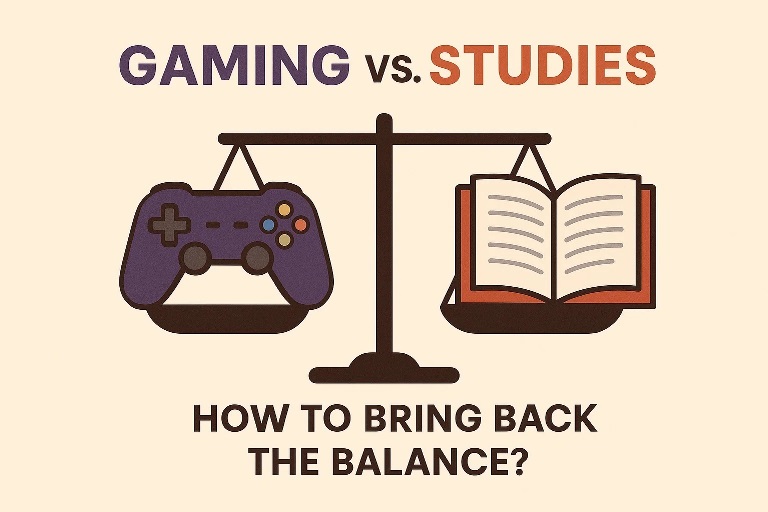
Gaming vs. Studies – How to Bring Back the Balance?

Gaming vs. Studies – How to Bring Back the Balance

Video games have become a regular part of childhood and teenage life. From mobile games and online multiplayer battles to strategy and simulation titles, gaming is now one of the most popular forms of entertainment among students.

For many parents, however, a common concern remains: “How much gaming is too much?” When study hours decrease, homework gets delayed, and exam scores begin to slip, the struggle between gaming and academics often becomes a source of tension at home.

The good news is that gaming and studies do not have to be enemies. The real goal is balance. With the right approach, students can enjoy games while staying focused on learning and academic success.

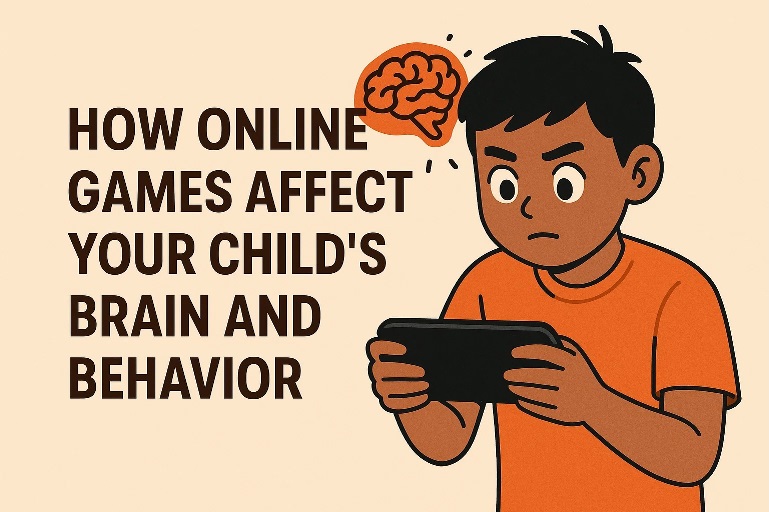
How Online Games Affect Your Child’s Brain and Behavior

Why Gaming Appeals So Much to Students

Games are designed to be engaging. They provide instant feedback, rewards, achievements, challenges, and social interaction. Unlike school assignments that may take days or weeks to show results, games often offer immediate satisfaction.

Many games also encourage:

    • Strategic thinking
    • Problem-solving
    • Teamwork
    • Decision-making
    • Hand-eye coordination

Research suggests that moderate gaming may support certain cognitive skills and logical reasoning abilities. Some studies have even found improvements in attention and problem-solving among students who play appropriate games in moderation.

The challenge arises when gaming starts replacing essential activities such as studying, sleeping, exercising, and spending time with family.

How to Help Your Child Balance School, Homework, and Hobbies

When Gaming Starts Affecting Academic Performance

Gaming becomes a concern when it begins to interfere with a student’s responsibilities and daily routine.

Common Warning Signs

Parents should watch for:

    • Declining grades
    • Incomplete homework
    • Reduced concentration during lessons
    • Late-night gaming sessions
    • Irritability when asked to stop playing
    • Loss of interest in other activities
    • Poor sleep habits

A large systematic review of academic performance found that video game playing was associated with lower academic outcomes among many children and adolescents, particularly when gaming became excessive.

This does not mean gaming automatically harms learning. The impact often depends on duration, timing, and self-control.

How Much Screen Time Is Too Much for Kids? Expert Guidelines for Parents

The Hidden Cost of Excessive Gaming

Many students believe they can study later after “just one more game.” Unfortunately, gaming sessions often last much longer than planned.

Reduced Study Time

Every hour spent gaming is an hour unavailable for:

    • Revision
    • Practice exercises
    • Reading
    • Project work

Over weeks and months, these missed study opportunities can create learning gaps that become difficult to close.

Sleep Disruption

Sleep plays a critical role in memory formation and learning.

Studies have shown that excessive screen use, especially interactive activities such as gaming, can delay sleep and reduce sleep quality. Poor sleep often leads to lower concentration, weaker retention, and reduced classroom performance.

Difficulty Maintaining Focus

Fast-paced games constantly stimulate the brain. After long gaming sessions, some students find it difficult to switch into slower, focused academic tasks such as reading textbooks or solving mathematics problems.

Research involving hundreds of thousands of children has linked excessive screen exposure with increased emotional and behavioural difficulties.

How Excessive Screen Time Affects Your Child’s Mind and Body

The Numbers Parents Should Know

Gaming has become increasingly common among young people worldwide.

One study involving over 12,000 children and adolescents found that the percentage of students playing video games for three or more hours daily increased significantly over time. Among boys, the figure rose from 16.6% to 25.8%, while among girls it increased from 3.6% to 20.8%.

A recent meta-analysis covering more than 641,000 adolescents highlighted growing concerns about gaming disorder, which is officially recognized by the World Health Organization as a behavioural condition.

These findings do not suggest that all gaming is harmful. They simply highlight the importance of healthy limits and supervision.

How to Help Kids Reduce Screen Time Without Arguments

How Parents Can Bring Back the Balance

Set Clear Daily Limits

Children perform better when expectations are consistent.

Consider creating rules such as:

    • Homework before gaming
    • No gaming during study hours
    • Fixed gaming duration on school days
    • Slightly extended recreational time during weekends

Consistency matters more than strictness.

Focus on Routine Instead of Punishment

Banning games completely often creates resistance.

A structured schedule usually works better:

ActivitySuggested Priority
School WorkFirst
RevisionSecond
Physical ActivityThird
GamingAfter responsibilities are completed

Students are more likely to follow routines they helped create.

Keep Devices Out of Bedrooms at Night

Late-night gaming is one of the biggest causes of sleep disruption.

Charging devices outside the bedroom can help students maintain healthier sleeping patterns and improve next-day concentration.

Encourage Other Interests

Students need activities beyond screens.

Examples include:

    • Sports
    • Music
    • Reading
    • Art
    • Outdoor activities
    • Hobby clubs

A diverse routine naturally reduces dependence on gaming for entertainment.

Why Your Child Needs More Outdoor Playtime and Less Screen Time

How Tutors Can Help

Sometimes the issue is not gaming itself.

Many students turn to games because they feel overwhelmed by schoolwork, struggle with specific subjects, or lack confidence in the classroom.

Identifying Learning Gaps

An experienced tutor can identify:

    • Weak concepts
    • Missing fundamentals
    • Poor study habits
    • Exam preparation issues

When students begin understanding subjects better, academic confidence often improves.

Making Learning More Engaging

Good tutors use:

    • Interactive teaching methods
    • Real-world examples
    • Practice-based learning
    • Goal-oriented study plans

Students who enjoy learning are less likely to avoid studies through excessive gaming.

Creating Accountability

Regular tuition sessions create structure and discipline.

Knowing that someone is monitoring progress encourages students to stay consistent with their academic goals.

The Rise of Couch Potato Kids – How to Get Them Active Again

Helping Students Develop Self-Control

The ultimate objective is not simply reducing gaming hours. It is teaching students how to manage their own time responsibly.

Encourage Goal-Based Rewards

For example:

    • Complete a chapter → 30 minutes of gaming
    • Finish assignments → gaming time earned
    • Achieve weekly targets → additional recreation time

This approach connects responsibility with rewards.

Teach Time Management Early

Students who learn planning skills tend to perform better academically and manage leisure activities more effectively.

Simple tools such as study planners, calendars, and daily task lists can make a significant difference.

My Thoughts

Gaming is not the enemy of education. In moderation, it can be an enjoyable recreational activity and may even support certain cognitive skills. The real challenge arises when gaming begins replacing study time, sleep, physical activity, and healthy routines.

Parents should focus on balance rather than prohibition. Clear expectations, consistent schedules, supportive guidance, and academic assistance when needed can help students enjoy gaming while continuing to thrive in school.

Looking for experienced tutors who can help students stay motivated, improve academic performance, and build effective study habits? Register on IndiaTutor.in to connect directly with qualified tutors across subjects and classes.

Tutors can also create their profiles on IndiaTutor.in to reach students and parents searching for trusted academic support without paying commissions.

Register your Tutor Profile on IndiaTutor.in

About the Author

Nidhi Mehta is the founder of IndiaTutor.in and a professional online educator with over 11 years of teaching experience. She specializes in tutoring Classes 1 to 6 across core academic subjects, with a strong focus on concept clarity and foundational skill-building. Her teaching approach is based on personalized, one-to-one learning that helps students develop long-term academic confidence and understanding.

Visit her profile    Visit About Us Page

How Much Screen Time Is Too Much for Kids? Expert Guidelines for Parents

How Much Screen Time Is Too Much for Kids Expert Guidelines for Parents

Digital devices have become a part of everyday life. Children use smartphones, tablets, laptops, televisions, and gaming consoles for learning, entertainment, communication, and hobbies. While technology offers many benefits, excessive screen exposure can affect a child’s physical health, sleep, learning habits, and emotional well-being.

Many parents wonder where to draw the line. How much screen time is healthy? When does it become excessive? What do experts recommend?

This guide explains current recommendations, potential risks, and practical strategies to help families create healthy screen habits.

How Excessive Screen Time Affects Your Child’s Mind and Body

Why Screen Time Matters

Screen time refers to the amount of time spent using devices with digital screens, including televisions, smartphones, tablets, computers, and gaming systems.

Research shows that moderate and purposeful use of technology can support education, creativity, and communication. However, excessive use may reduce time available for physical activity, face-to-face interaction, sleep, reading, and other important developmental activities.

The key concern is not only how much time children spend on screens but also what they are doing during that time.

Expert Screen Time Guidelines by Age

Children Under 2 Years

Health experts generally recommend avoiding screen media for children younger than 18 months, except for video calls with family members.

At this age, children learn best through direct interaction with parents, caregivers, and their surroundings.

Ages 2 to 5 Years

Experts recommend limiting recreational screen use to approximately one hour per day of high-quality content.

Parents should watch together whenever possible to help children understand and apply what they are seeing.

Ages 6 to 12 Years

There is no universal hourly limit, but experts advise maintaining healthy boundaries that allow enough time for:

    • Schoolwork
    • Physical activity
    • Sleep
    • Family interaction
    • Reading and hobbies

Many specialists suggest keeping recreational screen use within one to two hours daily on school days.

Teenagers

Teenagers often require screens for education, research, communication, and skill development. Instead of focusing only on hours, parents should monitor the balance between digital activities and real-world responsibilities.

Healthy routines become more important than strict time limits.

Why Your Child Needs More Outdoor Playtime and Less Screen Time

Signs Your Child May Be Getting Too Much Screen Time

Sleep Problems

Children who use screens before bedtime often find it harder to fall asleep. The blue light emitted by screens can interfere with the body’s natural sleep cycle.

Declining Academic Performance

Excessive gaming, social media browsing, or video consumption may reduce concentration and study time.

Reduced Physical Activity

According to global health recommendations, school-age children should get at least 60 minutes of moderate to vigorous physical activity daily. Excessive device use can contribute to a sedentary lifestyle.

Mood Changes

Children who spend long periods online may become more irritable, anxious, or frustrated when devices are unavailable.

Less Interest in Offline Activities

A child who gradually loses interest in sports, outdoor play, reading, creative hobbies, or family interactions may be relying too heavily on screens for entertainment.

How Web Series and OTT Platforms Are Impacting Your Child’s Mind

The Difference Between Productive and Passive Screen Time

Not all screen time has the same impact.

Productive Screen Time

Examples include:

    • Online tutoring sessions
    • Educational videos
    • Coding activities
    • Language learning apps
    • Research for school projects
    • Creative design or art tools

These activities actively engage the brain and often contribute to learning.

Passive Screen Time

Examples include:

    • Endless scrolling
    • Random video consumption
    • Excessive social media browsing
    • Watching content without interaction

Passive usage tends to provide fewer educational benefits and can quickly consume large amounts of time.

How Online Games Affect Your Child’s Brain and Behavior

How Screen Time Affects Learning

Technology can support education when used correctly. Many students successfully use digital platforms for homework, virtual classes, and skill development.

However, studies have found that constant digital distractions can affect attention span and reduce learning efficiency.

Frequent notifications, multitasking, and switching between apps may make it harder for students to focus on complex academic tasks.

For this reason, educators often recommend structured study sessions without unnecessary digital interruptions.

How to Help Kids Reduce Screen Time Without Arguments

Practical Tips for Parents

Create Device-Free Zones

Keep screens away from dining tables and bedrooms whenever possible.

These spaces encourage conversation, better sleep habits, and family interaction.

Set Consistent Daily Limits

Children respond better when rules are predictable and applied consistently.

Establish clear expectations for weekdays, weekends, homework time, and recreation.

Encourage Offline Activities

Support activities such as:

    • Reading
    • Sports
    • Music
    • Art
    • Outdoor games
    • Family outings

A balanced schedule naturally reduces dependence on devices.

Be a Positive Role Model

Children often imitate adult behavior. Parents who maintain healthy technology habits make it easier for children to do the same.

Prioritize Educational Use

When screen time is necessary, choose activities that support learning, creativity, and skill development.

The Rise of Couch Potato Kids – How to Get Them Active Again

When Should Parents Be Concerned?

Parents may want to seek guidance if screen use begins to:

    • Interfere with sleep regularly
    • Affect school performance
    • Create frequent family conflicts
    • Replace social interaction
    • Cause emotional distress when devices are unavailable

Early intervention is often more effective than waiting until habits become deeply established.

The Role of Tutors in Supporting Healthy Learning Habits

Many parents struggle with balancing academic expectations and screen exposure. A qualified tutor can help students use technology more productively by providing structured lessons, guided learning, and accountability.

Instead of spending hours on unproductive digital activities, students can focus on meaningful educational sessions that improve understanding, confidence, and academic performance.

My Thoughts

There is no single screen-time rule that works for every child. Age, educational needs, personality, and daily routines all play a role. The goal is not to eliminate technology but to ensure it supports learning and development rather than replacing important real-world experiences.

Parents who focus on balance, quality content, healthy routines, and open communication are more likely to help children develop responsible digital habits that last a lifetime.

Looking for experienced tutors who can help your child learn effectively and make productive use of technology? Explore qualified tutors across subjects and classes on IndiaTutor.in.

Are you a tutor? Register on IndiaTutor.in to showcase your expertise, connect directly with parents, and grow your online or home tuition opportunities without paying commissions.

Register your Tutor Profile on IndiaTutor.in

About the Author

Nidhi Mehta is the founder of IndiaTutor.in and a professional online educator with over 11 years of teaching experience. She specializes in tutoring Classes 1 to 6 across core academic subjects, with a strong focus on concept clarity and foundational skill-building. Her teaching approach is based on personalized, one-to-one learning that helps students develop long-term academic confidence and understanding.
Visit her profile    Visit About Us Page

Why Your Child Needs More Outdoor Playtime and Less Screen Time

Why Your Child Needs More Outdoor Playtime and Less Screen Time

Children today are growing up in a world filled with smartphones, tablets, televisions, gaming consoles, and computers. While technology offers many educational benefits, excessive screen exposure is becoming a growing concern for parents, teachers, and healthcare professionals. At the same time, outdoor activities that were once a natural part of childhood are steadily declining.

Finding the right balance between digital devices and physical activity is essential for healthy development. Understanding the impact of both can help parents make better decisions for their children’s well-being.

How to Help Your Child Balance School, Homework, and Hobbies

The Growing Concern Around Screen Time

Screens have become a part of everyday life. Many children use devices for schoolwork, entertainment, social interaction, and gaming. However, studies show that screen usage among children has increased significantly over the past decade.

According to the World Health Organization, children aged 5 to 17 years should engage in at least 60 minutes of moderate to vigorous physical activity every day. Yet many children spend several hours daily sitting indoors using digital devices.

Research published by the American Academy of Pediatrics has found that excessive screen exposure can affect sleep quality, physical fitness, academic performance, and emotional well-being.

Rising Stress in School Children – Causes, Symptoms, and How Parents Can Help

Why Outdoor Play Matters

Outdoor play is much more than recreation. It contributes to a child’s physical, mental, social, and cognitive development.

Physical Health Benefits

Running, jumping, cycling, climbing, and playing sports help strengthen muscles and bones. Regular physical activity also supports cardiovascular health and improves overall fitness.

Children who spend more time outdoors are generally less likely to develop obesity. According to global health studies, childhood obesity rates have increased dramatically over the last few decades, partly due to sedentary lifestyles.

Outdoor movement helps children:

    • Improve stamina and endurance
    • Develop better coordination
    • Strengthen immunity
    • Maintain a healthy body weight
    • Build stronger muscles and bones

Better Sleep Patterns

Children who are physically active during the day often sleep better at night. Exposure to natural daylight helps regulate the body’s internal clock, making it easier to fall asleep and wake up naturally.

Poor sleep has been linked to reduced concentration, mood changes, and lower academic performance. Outdoor activities can help address many of these issues.

How Online Games Affect Your Child’s Brain and Behavior

How Too Much Screen Time Affects Children

Technology itself is not the problem. The challenge arises when digital entertainment replaces physical activity, face-to-face interaction, and real-world experiences.

Reduced Physical Activity

Hours spent sitting with devices limit opportunities for movement. Over time, this can contribute to weight gain, poor posture, and reduced fitness levels.

Eye Strain and Discomfort

Extended viewing of screens can lead to digital eye strain. Common symptoms include:

    • Dry eyes
    • Headaches
    • Blurred vision
    • Difficulty focusing

Children often forget to take breaks while using devices, which can worsen these issues.

Impact on Attention and Focus

Some studies suggest that constant exposure to fast-paced digital content may affect attention spans in certain children. Frequent notifications, videos, and gaming stimuli can make it harder to concentrate on longer tasks such as reading, writing, or problem-solving.

Less Face-to-Face Interaction

Social skills develop through real-world communication. Playing with friends teaches children how to cooperate, negotiate, share, and resolve conflicts.

When screen use replaces personal interaction, opportunities for developing these essential life skills may decrease.

How Web Series and OTT Platforms Are Impacting Your Child’s Mind

Outdoor Play Supports Brain Development

Parents are often surprised to learn that outdoor activities can improve learning.

Encourages Creativity

Unlike structured digital content, outdoor environments encourage imagination. A simple park can become a castle, a jungle, or a space station in a child’s mind.

Creative thinking developed through play often benefits classroom learning and problem-solving abilities.

Strengthens Decision-Making Skills

Outdoor activities present new situations that require quick thinking and independent choices. Children learn to assess risks, adapt to challenges, and develop confidence.

Improves Concentration

Research has shown that spending time in natural environments can improve attention and reduce mental fatigue. Children often return from outdoor activities feeling refreshed and ready to focus on academic tasks.

How Excessive Screen Time Affects Your Child’s Mind and Body

The Emotional Benefits of Outdoor Activities

Mental well-being is becoming an important topic for families worldwide. Outdoor experiences can play a positive role in emotional health.

Reduces Stress

Physical activity triggers the release of endorphins, often called “feel-good” chemicals. These help improve mood and reduce feelings of stress.

Builds Confidence

Learning to ride a bicycle, score a goal, complete a hike, or master a new sport creates a sense of achievement. These experiences help children develop self-confidence and resilience.

Promotes Independence

Outdoor exploration allows children to make decisions and solve problems on their own, helping them become more self-reliant.

How Much Screen Time Is Too Much for Kids? Expert Guidelines for Parents

How Much Screen Time Is Reasonable?

Screen time recommendations vary by age and purpose. Educational activities are generally viewed differently from passive entertainment.

Parents can focus on creating healthy habits by:

    • Setting daily limits for recreational screen use
    • Encouraging device-free family time
    • Keeping screens out of bedrooms at night
    • Promoting physical activity every day
    • Balancing online learning with offline experiences

The goal is not to eliminate technology but to ensure it does not dominate a child’s routine.

Gaming vs. Studies – How to Bring Back the Balance?

Practical Ways to Increase Outdoor Play

Many parents struggle to encourage outdoor activities, especially in urban areas. Small changes can make a significant difference.

Create a Daily Outdoor Routine

Schedule regular outdoor time just as you would schedule homework or meals.

Encourage Sports and Physical Activities

Sports help children stay active while building teamwork and discipline.

Popular options include:

    • Cricket
    • Football
    • Basketball
    • Swimming
    • Cycling
    • Badminton

Organize Family Activities

Weekend walks, park visits, nature trails, and outdoor games can make physical activity enjoyable for the entire family.

Limit Passive Entertainment

Setting reasonable boundaries around television, gaming, and social media can create more opportunities for active play.

The Role of Parents and Educators

Children often follow the examples set by adults. Parents and teachers play a vital role in promoting healthy habits.

Encouraging reading, sports, creative hobbies, outdoor exploration, and meaningful conversations helps create a balanced lifestyle. When children learn to manage their time effectively, they can enjoy the benefits of both technology and real-world experiences.

The Rise of Couch Potato Kids – How to Get Them Active Again

My Thoughts

Outdoor play is not simply a way to keep children occupied. It supports physical health, emotional well-being, social development, creativity, concentration, and academic success. While digital devices have an important place in modern education and communication, children thrive when they have opportunities to move, explore, interact, and learn beyond a screen.

A balanced approach that combines technology with regular outdoor activity can help children develop into healthier, happier, and more confident individuals.

Looking for experienced tutors who support holistic child development along with academic success? Visit IndiaTutor.in to connect directly with qualified tutors for all classes and subjects.

Are you a tutor? Register your profile on IndiaTutor.in to reach students across India and worldwide, showcase your expertise, and receive direct enquiries without paying commissions.

Register your Tutor Profile on IndiaTutor.in

About the Author

Nidhi Mehta is the founder of IndiaTutor.in and a professional online educator with over 11 years of teaching experience. She specializes in tutoring Classes 1 to 6 across core academic subjects, with a strong focus on concept clarity and foundational skill-building. Her teaching approach is based on personalized, one-to-one learning that helps students develop long-term academic confidence and understanding.

Visit her profile    Visit About Us Page

How Online Games Affect Your Child’s Brain and Behavior

How Online Games Affect Your Child’s Brain and Behavior

Online gaming has become a regular part of childhood. From multiplayer adventures and sports simulations to puzzle challenges and strategy games, children today have access to thousands of games on smartphones, tablets, computers, and gaming consoles.

Many parents wonder whether online games are helping their children learn new skills or causing problems that may affect their studies, behavior, and overall development. The truth lies somewhere in between. The impact of gaming depends on factors such as the type of games played, the amount of screen time, and how well gaming is balanced with other activities.

This guide explores how online games influence a child’s brain and behavior, helping parents make informed decisions.

How Online Gaming Has Changed Childhood

Unlike traditional games played outdoors, online gaming offers instant entertainment, social interaction, rewards, and challenges. According to industry reports, billions of people worldwide play video games, with children and teenagers representing a significant portion of users.

Many games are designed to keep players engaged for extended periods through levels, achievements, points, virtual rewards, and competitive rankings. While these features can be enjoyable, they also affect how the brain responds to stimulation and rewards.

How Much Screen Time Is Too Much for Kids? Expert Guidelines for Parents

How Online Games Affect the Brain

Improved Problem-Solving Skills

Many strategy and puzzle-based games require players to analyze situations, make decisions, and develop solutions quickly.

Children who play such games may improve:

    • Critical thinking
    • Decision-making abilities
    • Strategic planning
    • Pattern recognition
    • Logical reasoning

Educational researchers have found that certain games can strengthen cognitive skills when played in moderation.

Faster Information Processing

Action-based games often require quick reactions to changing situations.

Studies suggest that moderate gaming can improve:

    • Hand-eye coordination
    • Visual attention
    • Reaction speed
    • Spatial awareness

These skills can be useful in everyday activities and certain academic tasks.

Increased Dopamine Activity

Gaming activates the brain’s reward system by releasing dopamine, a chemical associated with pleasure and motivation.

Every time a child wins a level, earns a reward, or achieves a goal, the brain experiences a sense of accomplishment. While this can be motivating, excessive exposure may lead some children to seek constant stimulation and instant gratification.

Impact on Attention Span

Fast-paced games constantly present new challenges, sounds, visuals, and rewards.

When children spend many hours playing highly stimulating games, some may find classroom learning or homework less engaging because these activities provide slower rewards.

Research suggests that excessive gaming can contribute to difficulties with concentration and sustained attention in some children.

How Excessive Screen Time Affects Your Child’s Mind and Body

How Online Games Affect Behavior

Positive Social Interaction

Many online games allow players to communicate and cooperate with others.

Children may develop:

    • Teamwork skills
    • Communication abilities
    • Leadership qualities
    • Cooperation and collaboration

For some children, gaming communities can provide social connections and opportunities to make friends.

Increased Frustration and Aggression

Competitive gaming environments can sometimes lead to frustration, anger, or emotional outbursts.

Children may become upset when:

    • Losing matches
    • Facing repeated failures
    • Experiencing online bullying
    • Dealing with toxic player behavior

Parents should monitor how games influence emotional responses and discuss healthy ways to handle disappointment.

Reduced Interest in Other Activities

When gaming becomes the primary source of entertainment, children may gradually spend less time on:

    • Reading
    • Physical exercise
    • Family interaction
    • Creative hobbies
    • Academic activities

Maintaining balance is essential for healthy development.

Why Your Child Needs More Outdoor Playtime and Less Screen Time

The Effects of Excessive Gaming

Sleep Problems

Children who play games late into the evening often experience sleep disruption.

The blue light emitted by screens can interfere with melatonin production, making it harder to fall asleep. Poor sleep can affect memory, concentration, mood, and academic performance.

Academic Challenges

Several studies have found links between excessive recreational screen time and lower academic achievement.

This does not mean gaming automatically causes poor grades. However, when gaming replaces study time, homework, revision, and reading, academic performance may suffer.

Reduced Physical Activity

Children who spend many hours sitting and gaming are generally less physically active.

Lack of movement can contribute to:

    • Weight gain
    • Poor fitness
    • Reduced stamina
    • Increased health risks over time

Regular exercise remains important for both physical and mental well-being.

The Rise of Couch Potato Kids – How to Get Them Active Again

Warning Signs Parents Should Watch For

Gaming May Be Becoming a Problem If Your Child:

Shows Irritability When Unable to Play

Strong emotional reactions when gaming is restricted may indicate unhealthy dependence.

Neglects School Responsibilities

Missed assignments, declining grades, or reduced interest in learning can be warning signs.

Loses Interest in Friends and Family

Excessive gaming may lead to social withdrawal from real-world relationships.

Frequently Sacrifices Sleep

Staying awake late to continue gaming can affect health and academic performance.

Constantly Thinks About Gaming

Children may become preoccupied with games even when participating in other activities.

How to Help Kids Reduce Screen Time Without Arguments

How Parents Can Create Healthy Gaming Habits

Set Clear Time Limits

Establish daily or weekly gaming schedules that fit around schoolwork, physical activity, and family time.

Choose Age-Appropriate Games

Review game ratings and content before allowing children to play.

Encourage Variety

Balance gaming with reading, sports, creative hobbies, and social activities.

Keep Gaming Devices in Shared Spaces

Monitoring becomes easier when gaming occurs in common family areas rather than behind closed doors.

Talk About Online Safety

Teach children about privacy, cyberbullying, and responsible online behavior.

Can Online Games Be Educational?

Yes. Many games can support learning when selected carefully.

Educational and strategy-based games may help children develop:

    • Mathematical thinking
    • Problem-solving abilities
    • Creativity
    • Memory skills
    • Language development

The key is choosing quality content and maintaining reasonable limits.

Gaming vs. Studies – How to Bring Back the Balance?

Finding the Right Balance

Online games are neither entirely good nor entirely bad. Their impact depends largely on how they are used.

Moderate gaming can support cognitive development, coordination, and social interaction. However, excessive play may affect sleep, concentration, behavior, and academic progress.

Parents should focus on balance rather than complete restriction. Open communication, healthy routines, and active involvement in a child’s digital life can help ensure gaming remains a positive experience.

Children thrive when technology, learning, physical activity, and social interaction work together rather than compete for attention.

Looking for experienced tutors who can help your child stay focused, improve academic performance, and build strong study habits? Visit IndiaTutor.in to connect directly with qualified tutors for all classes and subjects.

Tutors can also register on IndiaTutor.in to showcase their expertise, receive direct enquiries from parents and students, and grow their tuition practice without paying commissions.

Register your Tutor Profile on IndiaTutor.in

About the Author

Nidhi Mehta is the founder of IndiaTutor.in and a professional online educator with over 11 years of teaching experience. She specializes in tutoring Classes 1 to 6 across core academic subjects, with a strong focus on concept clarity and foundational skill-building. Her teaching approach is based on personalized, one-to-one learning that helps students develop long-term academic confidence and understanding.
Visit her profile    Visit About Us Page

How Web Series and OTT Platforms Are Impacting Your Child’s Mind

How Web Series and OTT Platforms Are Impacting Your Child’s Mind

Streaming platforms have transformed entertainment. Today, children and teenagers can watch thousands of hours of content on demand, anytime and anywhere. From educational documentaries to engaging dramas and animated shows, OTT platforms offer endless choices.

However, many parents are beginning to ask an important question: What effect is all this viewing having on my child’s mind?

While OTT platforms can provide learning opportunities and creative inspiration, excessive consumption can influence attention span, emotional development, sleep quality, behavior, academic performance, and social skills. Understanding these effects can help parents make informed decisions and create healthier viewing habits at home.

Should Kids Watch Web Series? Expert Advice for Parents

The Growing Popularity of OTT Platforms Among Children

Over the last few years, OTT services have become a major source of entertainment for young audiences. Smartphones, tablets, smart TVs, and laptops have made access easier than ever.

Research shows that OTT consumption has become a regular part of daily life. One study found that nearly 89% of respondents used OTT platforms, with movies, web series, and video content being among the most popular forms of entertainment.

For many children, streaming content is no longer an occasional activity. It has become a daily routine.

How OTT Content Affects a Child’s Brain

Constant Stimulation Can Reduce Attention Span

Most web series are designed to keep viewers engaged. Fast-paced editing, dramatic cliffhangers, autoplay features, and personalized recommendations encourage continuous watching.

Young brains are still developing the ability to focus, delay gratification, and manage distractions. When children become accustomed to constant stimulation, traditional learning activities such as reading, writing, and classroom instruction may feel less engaging.

Many teachers report that increased screen exposure is associated with reduced concentration and classroom attention among students.

How to Help Kids Reduce Screen Time Without Arguments

Binge-Watching Encourages Instant Gratification

Unlike traditional television schedules, OTT platforms allow viewers to watch multiple episodes without interruption.

This can create a habit of seeking immediate rewards. Over time, children may become less patient with activities that require sustained effort, including homework, exam preparation, problem-solving, and skill development.

Emotional Development Can Be Influenced by Content

Children often learn by observing. Characters in web series can shape attitudes, language, relationships, and behavior patterns.

Positive content can encourage empathy, creativity, and resilience. However, repeated exposure to aggression, unhealthy relationships, risky behavior, or unrealistic lifestyles may affect how children view the world.

Younger viewers may struggle to distinguish entertainment from reality, making parental guidance especially important.

How Excessive Screen Time Affects Your Child’s Mind and Body

The Link Between OTT Viewing and Sleep Problems

Blue Light Exposure Before Bedtime

Many children watch web series late at night on personal devices. Screens emit blue light, which can interfere with melatonin production, the hormone responsible for regulating sleep.

Poor sleep affects memory, concentration, emotional regulation, and academic performance.

A recent study found that nearly 40% of children aged 2 to 5 experienced sleep-related issues associated with excessive screen exposure. Researchers also found that screen use before bedtime significantly increased the risk of sleep disturbances.

Sleep Loss Impacts Learning

When children do not get adequate rest, the effects often appear in school.

Common Signs Include:

    • Difficulty concentrating
    • Reduced memory retention
    • Increased irritability
    • Lower academic performance
    • Lack of motivation

Even a highly capable student can struggle if sleep quality declines.

Impact on Mental and Emotional Well-Being

Increased Risk of Anxiety and Emotional Difficulties

Growing evidence suggests that excessive screen exposure may be linked to emotional and behavioral challenges.

A large analysis involving more than 292,000 children found strong associations between higher screen use and problems such as anxiety, aggression, low self-esteem, and emotional difficulties.

This does not mean that OTT platforms alone cause these issues. However, excessive viewing can become part of a cycle where children use screens to cope with stress, loneliness, or boredom.

Reduced Real-World Social Interaction

Children develop communication skills through conversations, play, teamwork, and face-to-face experiences.

When streaming entertainment occupies a large portion of free time, opportunities for real-world interaction may decrease.

Over time, this can affect:

    • Social confidence
    • Emotional intelligence
    • Conflict-resolution skills
    • Relationship-building abilities

Academic Performance and OTT Consumption

Less Time Available for Productive Activities

Every hour spent watching content is an hour not spent on reading, revision, sports, hobbies, or family interaction.

A nationwide study involving more than 6.3 lakh participants found that 74% of CBSE students spent over two hours daily on screens for non-academic purposes, while many teachers observed reduced concentration and behavioral concerns among students.

Learning Habits Can Be Affected

Successful students generally develop routines that include:

    • Regular study schedules
    • Consistent practice
    • Reading habits
    • Physical activity
    • Adequate sleep

Excessive binge-watching can disrupt these routines and make it harder for children to maintain academic discipline.

The Rise of Couch Potato Kids – How to Get Them Active Again

Not All OTT Content Is Harmful

It is important to maintain perspective.

OTT platforms also offer many benefits when used wisely.

Educational Advantages

High-quality content can:

    • Improve general knowledge
    • Introduce new cultures and ideas
    • Support language development
    • Encourage curiosity
    • Make learning more engaging

Documentaries, educational series, science programs, and historical content can complement classroom learning.

Opportunities for Family Discussion

Watching selected programs together can create opportunities to discuss:

    • Values
    • Ethics
    • Relationships
    • Current events
    • Problem-solving

Parental involvement often makes content more meaningful and educational.

Warning Signs Parents Should Watch For

Your Child May Be Developing Unhealthy Viewing Habits If They:

    • Become irritable when screen time is restricted
    • Lose interest in outdoor activities
    • Struggle to focus on studies
    • Stay awake late to watch content
    • Prefer screens over social interaction
    • Constantly think about the next episode

Mental health professionals increasingly report concerns about focus issues, behavioral changes, sleep disruption, and excessive dependence on screens among children and adolescents.

Rising Stress in School Children – Causes, Symptoms, and How Parents Can Help

Practical Tips for Parents

Create Clear Viewing Rules

Establish age-appropriate limits and ensure children understand expectations.

Keep Screens Out of Bedrooms

This simple step can significantly improve sleep quality and reduce late-night viewing.

Encourage Offline Activities

Sports, reading, music, art, and family activities help create a healthy balance.

Watch Together When Possible

Co-viewing allows parents to understand what children are watching and discuss important themes.

Focus on Content Quality

The type of content often matters as much as the amount of screen time.

Be a Positive Role Model

Children observe adult behavior closely. Healthy digital habits at home influence everyone in the family.

Why Your Child Needs More Outdoor Playtime and Less Screen Time

My Thoughts

Web series and OTT platforms are neither completely good nor completely bad. Their impact depends largely on how they are used.

Moderate viewing, thoughtful content selection, parental involvement, and balanced daily routines can help children enjoy the benefits of digital entertainment without compromising their emotional well-being, learning, or personal development.

As technology continues to evolve, the goal is not to eliminate screens but to teach children how to use them responsibly.

Looking for experienced tutors who can help your child build stronger study habits, improve focus, and achieve better academic results? Register on IndiaTutor.in to connect directly with qualified tutors across India.

Tutors can also create a profile on IndiaTutor.in, showcase their expertise, and reach students and parents without paying commissions.

Register your Tutor Profile on IndiaTutor.in

About the Author

Nidhi Mehta is the founder of IndiaTutor.in and a professional online educator with over 11 years of teaching experience. She specializes in tutoring Classes 1 to 6 across core academic subjects, with a strong focus on concept clarity and foundational skill-building. Her teaching approach is based on personalized, one-to-one learning that helps students develop long-term academic confidence and understanding.
Visit her profile    Visit About Us Page

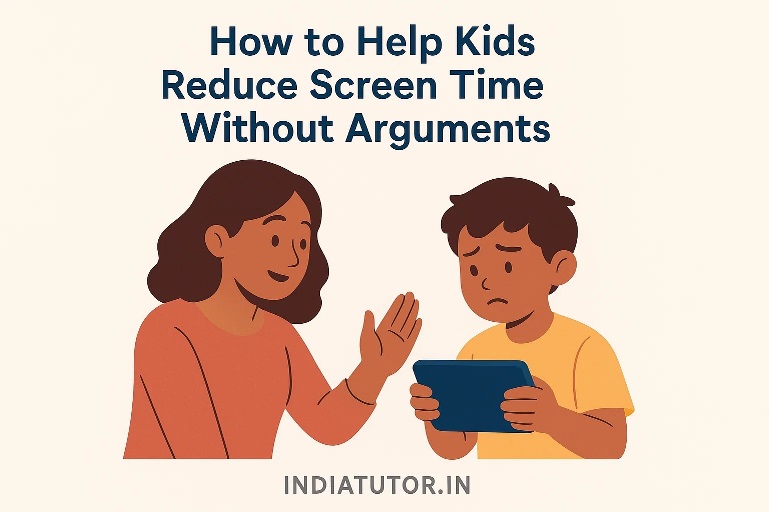
How to Help Kids Reduce Screen Time Without Arguments

How to Help Kids Reduce Screen Time Without Arguments

In today’s digital world, screens are everywhere. Smartphones, tablets, laptops, televisions, and gaming devices have become a regular part of daily life. While technology offers educational and entertainment benefits, many parents struggle with one common challenge: how to reduce screen time without turning every conversation into an argument.

If asking your child to put away a device often leads to complaints, negotiations, or frustration, you are not alone. The good news is that reducing screen use does not have to involve strict punishments or constant conflict. Small changes, clear expectations, and positive alternatives can make a significant difference.

How Much Screen Time Is Too Much for Kids? Expert Guidelines for Parents

Why Screen Time Has Become a Concern

Children today spend more time on digital devices than ever before. Research shows that children aged 8–10 spend an average of around 6 hours per day on screens, while teenagers often exceed 8 hours daily. Excessive screen exposure has been linked to reduced physical activity, sleep difficulties, lower academic performance, and attention-related challenges.

A recent review of Indian children under five years old found an average daily screen time of approximately 2.2 hours, which exceeds recommended limits for that age group.

The goal is not to eliminate technology completely. Instead, parents should focus on creating a healthy balance between online and offline activities.

How Excessive Screen Time Affects Your Child’s Mind and Body

Understanding Why Children Resist

Before introducing new rules, it helps to understand why children push back.

Screens provide instant entertainment, rewards, and stimulation. Games, videos, and social media are designed to capture attention. When children are suddenly asked to stop, they may feel disappointed or frustrated.

Instead of viewing resistance as disobedience, consider it a natural reaction to losing access to something enjoyable. This shift in perspective can help parents respond calmly and effectively.

Why Your Child Needs More Outdoor Playtime and Less Screen Time

Set Expectations Before Problems Begin

One of the biggest mistakes parents make is introducing limits only when they become frustrated.

Create Clear Family Rules

Children respond better when expectations are predictable.

Examples include:

    • No devices during meals.
    • Homework before recreational screen use.
    • No screens one hour before bedtime.
    • Screen-free family time in the evening.

When rules are established in advance, children are less likely to see them as sudden punishments. Experts consistently recommend creating structured boundaries around device use.

How to Help Your Child Balance School, Homework, and Hobbies

Replace, Don’t Just Remove

Many screen-time battles occur because parents take something away without offering an alternative.

Make Offline Activities Easy and Attractive

Children need engaging options that compete with digital entertainment.

Consider:

    • Board games
    • Arts and crafts
    • Sports and outdoor play
    • Reading challenges
    • Music lessons
    • Building projects
    • Cooking activities

When interesting alternatives are readily available, children naturally spend less time on devices.

Encourage Skill-Based Hobbies

Activities that create a sense of achievement often hold attention longer.

Examples include:

    • Drawing
    • Chess
    • Coding
    • Dance
    • Photography
    • Creative writing
    • Learning a musical instrument

These hobbies help children develop confidence while reducing dependence on screens.

Gaming vs. Studies – How to Bring Back the Balance?

Use a Gradual Reduction Strategy

Sudden restrictions often trigger resistance.

Reduce Usage Step by Step

Instead of cutting screen time dramatically overnight, make gradual adjustments.

For example:

    • Week 1: Reduce by 15 minutes daily.
    • Week 2: Reduce by another 15 minutes.
    • Week 3: Introduce additional screen-free activities.

Small changes feel less threatening and are easier for children to accept.

The Rise of Couch Potato Kids – How to Get Them Active Again

Become a Role Model

Children notice what parents do more than what parents say.

If adults frequently check phones during meals, conversations, or family activities, children receive mixed messages.

Create Family Screen-Free Moments

Consider introducing:

    • Device-free dinners
    • Family walks
    • Weekend outings
    • Reading time together

Research and parenting experts consistently highlight parental behavior as one of the strongest influences on children’s digital habits.

Avoid Using Screens as a Reward

Many families accidentally increase screen appeal by using it as a prize.

Statements such as:

    • “Finish your homework and you can use the tablet.”
    • “Behave properly and you can watch videos.”

can make screen time seem more valuable than other activities.

Instead, reward children with experiences such as:

    • Extra playtime
    • Family outings
    • Special activities
    • Choosing a weekend game

Create Screen-Free Zones

Certain areas of the home should encourage conversation, relaxation, and family interaction.

Bedrooms

Keeping devices out of bedrooms can improve sleep quality and reduce late-night usage. Studies have shown that excessive screen exposure, especially before bedtime, can interfere with healthy sleep patterns.

Dining Areas

Meals provide valuable opportunities for family discussions and relationship building.

A simple rule such as “No phones at the table” can strengthen communication and reduce unnecessary device use.

Focus on Content Quality

Not all screen time is equal.

Ask Better Questions

Instead of only asking:

“How long were you online?”

Ask:

    • What did you learn today?
    • What game are you playing?
    • What video did you watch?
    • What did you enjoy about it?

Research suggests that the quality and context of screen use matter significantly alongside total screen time. Educational and interactive content is generally more beneficial than passive scrolling.

Involve Children in Decision-Making

Children are more likely to cooperate when they feel heard.

Create a Family Technology Agreement

Discuss:

    • Daily limits
    • Homework priorities
    • Bedtime rules
    • Weekend allowances

Allow children to contribute ideas and suggestions.

When rules are developed together, they often face less resistance.

Use Tutors and Structured Learning Activities

One reason children spend excessive time on screens is boredom.

Academic enrichment can provide a productive alternative.

How a Tutor Can Help

A qualified tutor can:

    • Build confidence in challenging subjects
    • Create a structured after-school routine
    • Encourage productive learning habits
    • Reduce unproductive device use
    • Improve academic performance

For many families, personalized guidance gives children a meaningful way to spend time while supporting educational growth.

Common Mistakes Parents Should Avoid

Constant Negotiation

Repeatedly debating limits weakens consistency.

Unrealistic Rules

Extremely strict restrictions are difficult to maintain.

Using Devices as Babysitters

Occasional use is understandable, but relying heavily on screens can make reduction efforts more difficult later.

Focusing Only on Restrictions

Children respond better when families create positive alternatives instead of simply removing devices.

The Real Goal Is Balance

Technology is an important part of modern life. Children need digital skills for education, communication, and future careers. The objective is not to eliminate screens but to help children develop healthy habits.

A balanced routine includes learning, physical activity, family interaction, hobbies, adequate sleep, and responsible technology use. When parents focus on consistency, communication, and positive alternatives, screen-time battles often become far less frequent.

Children are more likely to embrace healthy habits when they feel supported rather than controlled.

Looking for academic support and productive learning opportunities for your child? Explore experienced tutors across subjects and classes on IndiaTutor.in.

Are you a tutor? Register on IndiaTutor.in to showcase your expertise, connect directly with students and parents, and grow your tutoring career without paying commissions.

Register your Tutor Profile on IndiaTutor.in

About the Author

Nidhi Mehta is the founder of IndiaTutor.in and a professional online educator with over 11 years of teaching experience. She specializes in tutoring Classes 1 to 6 across core academic subjects, with a strong focus on concept clarity and foundational skill-building. Her teaching approach is based on personalized, one-to-one learning that helps students develop long-term academic confidence and understanding.

Visit her profile    Visit About Us Page

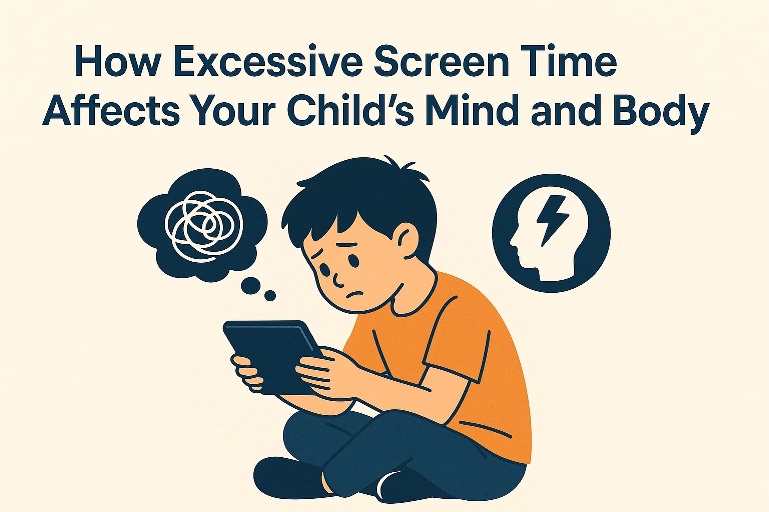
How Excessive Screen Time Affects Your Child’s Mind and Body

How Online Games Affect Your Child’s Brain and Behavior

Screens have become a part of everyday life. From online classes and homework to entertainment and social media, children spend a significant portion of their day looking at phones, tablets, laptops, and televisions. While technology offers many educational benefits, too much screen exposure can affect a child’s physical health, mental well-being, learning ability, and overall development.

Many parents wonder how much screen time is too much and what impact it can have on growing children. Understanding the effects can help families create healthier habits and support better learning outcomes.

How Much Screen Time Is Too Much for Kids? Expert Guidelines for Parents

Understanding Screen Time in Children

Screen time refers to the amount of time spent using digital devices such as smartphones, tablets, computers, gaming consoles, and televisions.

According to the World Health Organization (WHO), young children should have limited recreational screen exposure, while school-age children benefit from a balanced routine that includes physical activity, sleep, learning, and social interaction. Excessive screen use often replaces these important activities, leading to developmental concerns.

How Web Series and OTT Platforms Are Impacting Your Child’s Mind

How Screen Time Affects the Brain

Reduced Attention Span

Many digital platforms are designed to deliver rapid content and constant stimulation. Frequent exposure to short-form videos, fast-paced games, and endless scrolling can make it difficult for children to focus on tasks that require sustained concentration.

Children who spend long hours switching between apps and content may struggle with:

    • Paying attention during lessons
    • Completing homework
    • Reading books for extended periods
    • Following detailed instructions

Research has shown that excessive media use can be associated with attention difficulties and reduced academic performance in some children.

Impact on Learning and Memory

The brain needs time to process and store information effectively. Continuous digital stimulation can interfere with deep learning.

When children spend more time consuming content than actively engaging in problem-solving, reading, writing, or discussion, it may affect:

    • Memory retention
    • Critical thinking skills
    • Creativity
    • Independent learning abilities

Increased Risk of Anxiety and Stress

Social media exposure, online comparisons, gaming pressure, and constant notifications can contribute to emotional strain.

Children may experience:

    • Feelings of inadequacy
    • Fear of missing out (FOMO)
    • Mood swings
    • Increased stress levels

Studies have found links between excessive screen exposure and higher rates of anxiety symptoms among adolescents.

How Online Games Affect Your Child’s Brain and Behavior

Physical Effects of Excessive Screen Use

Eye Strain and Vision Problems

One of the most common complaints among children is digital eye strain.

Symptoms may include:

    • Dry eyes
    • Blurred vision
    • Headaches
    • Burning sensations
    • Difficulty focusing

The Indian Journal of Ophthalmology and several international studies have reported a significant rise in digital eye strain among school-going children since the increase in device usage.

Poor Posture and Body Pain

Children often use devices while sitting in awkward positions for long periods.

This can lead to:

    • Neck discomfort
    • Shoulder pain
    • Back problems
    • Muscle stiffness

Poor posture habits developed during childhood can continue into adulthood if not corrected.

Reduced Physical Activity

Every hour spent sitting with a device is often an hour not spent moving, playing, or exercising.

The consequences may include:

    • Weight gain
    • Reduced fitness levels
    • Lower stamina
    • Increased risk of childhood obesity

The World Health Organization recommends at least 60 minutes of moderate to vigorous physical activity daily for children and adolescents.

Why Your Child Needs More Outdoor Playtime and Less Screen Time

The Connection Between Screen Time and Sleep

Blue Light Disrupts Natural Sleep Cycles

Digital screens emit blue light, which can interfere with the production of melatonin, the hormone responsible for regulating sleep.

Using devices before bedtime may:

    • Delay sleep onset
    • Reduce sleep quality
    • Cause frequent waking during the night

Sleep Deprivation Affects Daily Performance

Children who do not get enough sleep may experience:

    • Irritability
    • Difficulty concentrating
    • Lower academic performance
    • Reduced emotional control

Research suggests that school-age children generally require between 9 and 12 hours of sleep per night, depending on age.

Rising Stress in School Children – Causes, Symptoms, and How Parents Can Help

Social and Emotional Consequences

Less Face-to-Face Interaction

Healthy communication skills develop through real-world conversations and social experiences.

Excessive device use can reduce opportunities for:

    • Family discussions
    • Outdoor play
    • Team activities
    • Friendship building

These experiences are important for developing empathy, confidence, and interpersonal skills.

Increased Dependence on Digital Entertainment

Children who rely heavily on screens for entertainment may find it difficult to engage in offline activities.

This can affect their interest in:

    • Reading
    • Creative hobbies
    • Sports
    • Educational exploration

A balanced lifestyle helps children discover diverse interests and talents.

Gaming vs. Studies – How to Bring Back the Balance?

Warning Signs Parents Should Watch For

Behavioral Changes

Parents should pay attention if their child:

    • Becomes irritated when devices are removed
    • Constantly asks for screen access
    • Loses interest in non-digital activities
    • Shows reduced attention during studies

Physical Symptoms

Common signs include:

    • Frequent headaches
    • Tired eyes
    • Poor posture
    • Sleep difficulties

Academic Concerns

A sudden decline in school performance, incomplete assignments, or difficulty concentrating may indicate that screen habits need review.

How to Help Kids Reduce Screen Time Without Arguments

Healthy Ways to Manage Screen Time

Create Clear Daily Limits

Establish reasonable rules for recreational screen use. Consistency is more effective than occasional restrictions.

Encourage Alternative Activities

Provide opportunities for:

    • Reading books
    • Outdoor games
    • Arts and crafts
    • Music
    • Family activities

Keep Devices Out of Bedrooms

Removing screens from sleeping areas can improve sleep quality and reduce nighttime usage.

Lead by Example

Children often imitate adult behavior. Parents who maintain healthy digital habits can positively influence their children.

Use Technology Purposefully

Not all screen time is harmful. Educational content, online learning, research, and skill development can be valuable when used in moderation.

The Rise of Couch Potato Kids – How to Get Them Active Again

When Additional Academic Support Can Help

Sometimes excessive screen use is linked to academic frustration or lack of engagement in studies. Children who struggle with certain subjects may turn to entertainment devices as an escape.

Personalized guidance from an experienced tutor can help students:

    • Build confidence
    • Improve study habits
    • Stay focused
    • Develop stronger learning routines
    • Achieve better academic results

Regular interaction with a knowledgeable teacher can also encourage productive use of technology for educational purposes.

My Thoughts

Technology is an important part of modern education and communication. The goal is not to eliminate screens entirely but to create a healthy balance. When children spend appropriate amounts of time on digital devices while also enjoying physical activity, quality sleep, meaningful relationships, and focused learning, they are more likely to thrive both academically and personally.

Parents who monitor screen habits early can help their children develop lifelong routines that support strong mental health, physical well-being, and educational success.

Looking for experienced tutors who can help your child stay engaged, focused, and motivated in studies? Visit IndiaTutor.in to connect directly with qualified tutors across subjects and grade levels.

Tutors can also register on IndiaTutor.in to showcase their expertise, reach students worldwide, and receive direct enquiries without paying commissions.

Register your Tutor Profile on IndiaTutor.in

About the Author

Nidhi Mehta is the founder of IndiaTutor.in and a professional online educator with over 11 years of teaching experience. She specializes in tutoring Classes 1 to 6 across core academic subjects, with a strong focus on concept clarity and foundational skill-building. Her teaching approach is based on personalized, one-to-one learning that helps students develop long-term academic confidence and understanding.

Visit her profile    Visit About Us Page

Online Tuition for NRI Students: How Indian Tutors Can Tap Global Demand

Online Tuition for NRI Students: How Indian Tutors Can Tap Global Demand

The demand for online tuition has expanded far beyond India. Today, Indian families living in countries such as the United States, Canada, the United Kingdom, Australia, Singapore, the UAE, Qatar, and New Zealand are actively looking for qualified tutors from India to support their children’s education.

For Indian teachers, this presents a significant opportunity. With reliable internet access, subject expertise, and the ability to teach online, tutors can now connect with students worldwide without leaving their homes.

At the same time, parents are discovering that experienced Indian educators can provide high-quality academic support at flexible timings and affordable costs.

Online Teaching as a Career: Opportunities, Growth, and Challenges

Why NRI Families Are Looking for Indian Tutors

Many Non-Resident Indian (NRI) parents want their children to maintain strong academic foundations while staying connected to Indian educational values.

Several factors drive this demand:

    • Familiar teaching methods
    • Strong focus on fundamentals
    • One-to-one attention
    • Flexible scheduling across time zones
    • Support for Indian and international curricula
    • Competitive pricing compared to local tutoring rates

Parents often feel that classroom learning alone may not be enough, especially in subjects such as Mathematics, Science, English, and coding. Online tuition helps bridge learning gaps and boosts confidence.

What Qualifications Are Needed to Teach Online in India?

The Global Online Tutoring Market Is Growing Rapidly

The worldwide online tutoring industry continues to expand at an impressive pace. Research estimates that the global online tutoring market was valued at approximately USD 10.4 billion in 2024 and is expected to reach nearly USD 23.7 billion by 2030, growing at a compound annual growth rate (CAGR) of 14.5%.

The K-12 online tutoring segment alone was valued at around USD 6.8 billion in 2025 and is projected to reach USD 19.9 billion by 2034.

These figures highlight a clear trend: families across the world are increasingly embracing online learning as a long-term educational solution.

How to Start a Successful Home Tuition Business in India?

Why Indian Tutors Have a Competitive Advantage

Indian tutors possess several strengths that make them attractive to international families.

Strong Subject Knowledge

India has a long tradition of excellence in subjects such as Mathematics, Physics, Chemistry, Biology, and Computer Science. Many parents specifically seek tutors who can explain concepts clearly and build problem-solving skills.

Affordable Yet High-Quality Learning

Tutors based in India can often offer excellent value compared to tutoring services available in Western countries. This allows parents to access personalized instruction without excessive costs.

Experience with Multiple Curricula

Many Indian educators teach:

    • CBSE
    • ICSE
    • IB
    • IGCSE
    • GCSE
    • American Curriculum
    • Australian Curriculum

This versatility helps tutors work with students from different educational systems.

Flexible Timings

Online platforms make it possible for tutors to teach students before school, after school, or during weekends regardless of geographical location.

Secrets of High earning tutors in India you should know 

Which Subjects Are Most In Demand?

While demand exists across many disciplines, some subjects consistently attract more enquiries.

Mathematics

Maths remains one of the most sought-after subjects worldwide. Students often require additional help with concepts, homework, examinations, and competitive tests.

Science

Physics, Chemistry, and Biology are popular among middle school and high school students preparing for advanced studies.

English

Many NRI families seek support in reading, writing, grammar, vocabulary, and communication skills.

Coding and Computer Science

As technology becomes central to education and careers, coding classes for children and teenagers continue to gain popularity.

Test Preparation

Students preparing for SAT, ACT, GCSE, A-Level, AP, IB examinations, and university entrance tests frequently look for specialized tutors.

Top 10 Most in Demand Subject Tutors in India

What Parents Look for When Hiring an Online Tutor

Finding students is not only about qualifications. Parents also evaluate several other factors.

Teaching Experience

Experience teaching similar age groups builds confidence and trust.

Clear Communication

Parents appreciate tutors who explain concepts simply and provide regular progress updates.

Professional Profile

A detailed tutor profile should include:

    • Educational qualifications
    • Teaching experience
    • Subjects taught
    • Student levels covered
    • Teaching methodology
    • Profile photograph
    • Introduction video

Consistency

Parents value punctuality, preparation, and regular feedback more than flashy marketing.

Why Smart Parents Choose Verified Tutors Instead of Random Ads

How Tutors Can Attract More NRI Students

Build a Strong Online Presence

A professional tutor profile can significantly improve visibility. Include achievements, certifications, teaching specialties, and testimonials wherever possible.

Create Educational Content

Publishing useful articles, videos, worksheets, and study tips helps establish authority and demonstrates expertise.

Offer Trial Sessions

A short introductory class allows parents and students to evaluate teaching style before making a commitment.

Focus on Results

Students and parents are interested in measurable outcomes such as improved grades, stronger concepts, better confidence, and exam success.

Use Technology Effectively

Interactive whiteboards, digital worksheets, screen sharing, and learning management tools can enhance engagement during online sessions.

How to create a perfect Tutor Profile that attracts students

Common Challenges and How to Overcome Them

Time Zone Differences

Scheduling tools and calendar management can help coordinate classes efficiently.

Competition

Specializing in a subject, curriculum, or age group can help tutors stand out from the crowd.

Building Trust

Verified profiles, testimonials, certifications, and introduction videos help reassure parents about tutor credibility.

The Future Looks Promising

Online learning is no longer a temporary trend. Families worldwide increasingly prefer personalized academic support that can be accessed from anywhere.

The continued growth of the online tutoring market, rising adoption of digital education, and increasing demand for one-to-one instruction create a favourable environment for Indian tutors. Subject-based tutoring remains the largest segment of the online tutoring industry and is expected to continue growing strongly in the coming years.

For skilled educators, the opportunity extends far beyond local students. The world has become a classroom, and Indian tutors are well positioned to serve learners across continents.

Why Trusted Tutor Platforms Are the Future of Tuition Jobs

My Thoughts

NRI families are actively seeking knowledgeable, reliable, and experienced tutors who can provide personalized learning support. Indian teachers have the expertise, affordability, and flexibility needed to meet this demand.

For tutors willing to embrace online teaching, global opportunities have never been more accessible.

Register your tutor profile on IndiaTutor.in to connect directly with students and parents in India and abroad. Enjoy greater visibility, direct enquiries, zero commission on tuition fees, and the opportunity to build a successful online tutoring career.

Register your Tutor Profile on IndiaTutor.in

About the Author

Nidhi Mehta is the founder of IndiaTutor.in and a professional online educator with over 11 years of teaching experience. She specializes in tutoring Classes 1 to 6 across core academic subjects, with a strong focus on concept clarity and foundational skill-building. Her teaching approach is based on personalized, one-to-one learning that helps students develop long-term academic confidence and understanding.

Visit her profile    Visit About Us Page

Online Teaching as a Career: Opportunities, Growth and Challenges

Online Teaching as a Career: Opportunities, Growth, and Challenges

The education sector has undergone a major transformation over the past few years. What was once considered an alternative mode of instruction has now become a mainstream career path for thousands of educators. Online teaching is no longer limited to a few technology-savvy professionals. Today, school teachers, subject experts, retired educators, college professors, homemakers, and skilled professionals are teaching students from different cities and countries through virtual classrooms.

For aspiring tutors and experienced educators alike, online teaching offers flexibility, wider reach, and significant earning potential. At the same time, it comes with unique responsibilities and challenges that require continuous adaptation.

Top 10 Skills Every Tutor Must Learn to Succeed – India Tutor for Teachers & Students

Why Online Teaching Is Growing Rapidly

Several factors have contributed to the rise of online education. Improved internet connectivity, widespread smartphone usage, video conferencing tools, and growing acceptance of digital learning have made remote instruction easier than ever.

The global online tutoring services market was valued at approximately USD 10.42 billion in 2024 and is projected to reach USD 23.73 billion by 2030, growing at a compound annual growth rate (CAGR) of 14.5%. This growth reflects increasing demand from students and parents seeking personalized academic support.

India is also witnessing strong growth in digital learning. The Indian online education market was valued at around USD 3.64 billion in 2025 and is expected to grow significantly over the coming years due to affordable internet access, smartphone penetration, and rising demand for academic support.

For tutors, this expanding market creates opportunities that were difficult to imagine a decade ago.

Online Tuition for NRI Students: How Indian Tutors Can Tap Global Demand

Opportunities in Online Teaching

Reach Students Beyond Your Local Area

Traditional tuition classes are usually limited by geography. An online tutor can teach students from different cities, states, and even countries without leaving home.

A mathematics teacher in Delhi can guide students in Dubai, Singapore, London, or Sydney. Similarly, an English tutor in Chennai can help learners from across India and overseas.

This expanded reach allows educators to build a larger student base and create a sustainable teaching business.

Flexible Working Hours

One of the biggest advantages of online teaching is flexibility.

Tutors can:

    • Choose their own schedules
    • Teach part-time or full-time
    • Offer weekday or weekend classes
    • Conduct one-to-one or group sessions

This flexibility makes online teaching attractive for working professionals, retired teachers, and homemakers looking for additional income.

Multiple Income Streams

Online educators are no longer restricted to charging by the hour.

Many successful tutors earn through:

    • One-to-one tuition classes
    • Small group sessions
    • Recorded courses
    • Test preparation programs
    • Assignment guidance
    • Skill development workshops

Diversifying services helps create more stable earnings throughout the year.

Growing Demand for Personalized Learning

Parents increasingly seek individualized attention for their children. While schools teach large groups, online tutoring allows lessons to be customized according to each student’s learning pace and academic goals.

Government survey data indicates that nearly one-third of Indian school students now rely on private coaching or tuition support outside regular school hours.

This demand continues to create opportunities for qualified tutors across subjects and grade levels.

Top 10 Websites to List Your Tutor Profile in India

Popular Subjects for Online Tutors

School Academics

The demand for school tuition remains strong for:

    • Mathematics
    • Science
    • English
    • Social Studies
    • Hindi
    • Commerce subjects

Students often seek additional support to improve grades, prepare for examinations, or strengthen weak concepts.

Competitive Examination Preparation

Many learners require specialized coaching for:

    • JEE
    • NEET
    • CUET
    • Olympiads
    • Foundation programs

Subject expertise in these areas can command premium tuition fees.

Language Learning

Globalization has increased demand for language instruction.

Popular choices include:

    • English speaking
    • IELTS preparation
    • Spoken Hindi
    • Foreign languages

Language tutors often attract learners from multiple countries.

Skill-Based Learning

Students and professionals are increasingly seeking training in:

    • Coding
    • Graphic design
    • Digital marketing
    • Public speaking
    • Business communication

This creates opportunities beyond traditional academics.

Top 10 Most in Demand Subject Tutors in India

Skills Required for Success in Online Teaching

Strong Subject Knowledge

Students and parents expect accurate explanations and clear guidance. Tutors must stay updated with syllabus changes, examination patterns, and teaching methodologies.

Effective Communication

Knowledge alone is not enough.

Successful online teachers can explain difficult concepts in simple language and maintain student engagement throughout the lesson.

Technology Familiarity

Modern tutors should be comfortable using:

    • Video conferencing tools
    • Digital whiteboards
    • Presentation software
    • Online assessments
    • Learning management systems

Technical confidence improves the learning experience significantly.

Patience and Adaptability

Every student learns differently. Effective educators modify their teaching methods based on individual needs, strengths, and learning styles.

Secrets of High earning tutors in India you should know

Growth Potential in Online Teaching

Building a Personal Brand

Many tutors start with a few students and gradually build a strong reputation through positive results and referrals.

A professional online presence can include:

    • Tutor profiles
    • Educational videos
    • Student testimonials
    • Blogs and articles
    • Social media content

Over time, this visibility can generate a steady flow of enquiries.

Teaching International Students

Indian tutors are increasingly working with students abroad because of their subject expertise and competitive pricing.

This creates opportunities to earn in foreign currencies while working remotely from India.

Expanding Into Entrepreneurship

Experienced educators often move beyond individual tutoring and launch:

    • Online academies
    • Learning communities
    • Digital courses
    • Educational content platforms

Online teaching can therefore evolve from a profession into a scalable business.

How Tutors Can Use AI to Attract More Students Online

Challenges of Online Teaching

High Competition

The growing popularity of remote learning has attracted many new tutors.

Standing out requires:

    • Strong credentials
    • Consistent results
    • Professional communication
    • Positive student feedback

Student Engagement

Keeping learners attentive through a screen can be more difficult than in a physical classroom.

Tutors must use interactive methods, questions, activities, and visual tools to maintain participation.

Technology Issues

Internet disruptions, audio problems, and software difficulties can occasionally interrupt lessons.

Having backup systems and basic troubleshooting skills is essential.

Building Trust

Parents often prefer experienced and verified educators.

New tutors may initially find it challenging to establish credibility without reviews, testimonials, or teaching records.

Creating a detailed profile and showcasing qualifications can help overcome this hurdle.

Why Trusted Tutor Platforms Are the Future of Tuition Jobs

The Future of Online Teaching

The future looks promising for educators who embrace technology and continuous learning.

Online tutoring markets around the world continue to expand as families seek convenience, flexibility, and personalized instruction. Industry reports project strong double-digit growth over the coming years, with Asia-Pacific emerging as one of the fastest-growing regions.

India is expected to play a major role in this growth, driven by rising digital adoption, increasing educational aspirations, and growing demand from students in both metropolitan and smaller cities.

For educators willing to adapt, online teaching offers a rewarding combination of purpose, flexibility, and professional growth.

Why Smart Parents Choose Verified Tutors Instead of Random Ads

My Thoughts

Online teaching has evolved into a viable and respected career option. It enables educators to reach more learners, create flexible work schedules, and build meaningful professional opportunities. While challenges such as competition and technology management exist, the long-term outlook remains positive.

As demand for personalized education continues to grow, skilled tutors who combine subject expertise with effective teaching practices are likely to remain in high demand.

Looking to start or grow your online tutoring career? Register on IndiaTutor.in and create your professional tutor profile to connect directly with students and parents across India and worldwide. Enjoy greater visibility, direct enquiries, and zero commission on student connections.

Register your Tutor Profile on IndiaTutor.in

About the Author

Nidhi Mehta is the founder of IndiaTutor.in and a professional online educator with over 11 years of teaching experience. She specializes in tutoring Classes 1 to 6 across core academic subjects, with a strong focus on concept clarity and foundational skill-building. Her teaching approach is based on personalized, one-to-one learning that helps students develop long-term academic confidence and understanding.

Visit her profile    Visit About Us Page

error: Content is protected !!

Found this helpful? Share it in 2 seconds!

Link copied to clipboard